
Cellar/Shift Brewer
Fort George Brewery
Corporate transparency, restorative agriculture and the rise of nut butters as a snack were among several emerging trends from Natural Products Expo West 2017 that were highlighted in a webinar from market research firm SPINS on Thursday.
How Goodie Girl Cookies’ Starbucks partnership — which got the brand’s best-selling line into more than 12,000 cafes nationwide — showed Founder Shira Berk that she was potentially missing out on a major sector within grab-and-go.
High Pressure Processing (HPP) has long been the hero of deli meats and, as of late, has become the innovation engine for a variety of beverage types. But a newly established trade group wants to push the technology beyond your turkey sandwich and green juice.
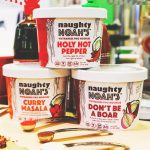
The Project NOSH team walked miles of the show’s booth-lined aisles, which were filled with 3,100 exhibiting companies and over 80,000 attendees. The goal: to find new products that embody the natural food industry’s hottest trends — and five in particular stood out among the sea of booths.
Cellar/Shift Brewer
Fort George Brewery

Area Sales Manager - New Jersey
Good Boy Vodka
Assistant Brewer
Firehouse Brewing Co.
Sales Representative - Craft Beverage Brands South San Di...
TDG Beverage Sales & Consulting
Sales Representative
Fort Myers Brewing Co
Area Sales Manager - Nevada
Good Boy Vodka
Director of Operations
Greenbar Distillery


The gluten-free baked goods line geared toward in-store bakeries introduced its products into Ahold USA earlier this month, bringing the company’s store count to over 2,000 eastern U.S. supermarkets since its 2015 launch. So far with 2017’s growth and Goodman’s new partnership with Ahold, the company has already done $500,000 in business from January through March.
In this video from Natural Products Expo West, Nardone explains the delicate process of creating a brand around a known quantity like PopCorners and the steps other companies should consider when re-thinking the limitations of their own branded products. He also discusses the progress of Our Little Rebellion overall.
Project NOSH is delighted to start rolling out the lineup for NOSH Live | Summer 2017 with our first speaker announcement: James F. Richardson, Ph.D. of The Hartman Group. He will be taking the stage to talk about the growth curves of early stage brands and how the power of focus is revealed by an elite group of entrepreneurial brands in the natural/organic space.

This Saturday, some of food’s biggest names got in on the jokes, fooling consumers about everything from new services and dramatic name changes to “innovative” product launches and category jumps.
NOSH's video content includes thousands of video interviews with leading industry experts and topics such as investing, e-commerce, branding, current events and more.
Granola and hot cereal brand Purely Elizabeth today announced a $3 million investment by General Mills’ venture arm, 301 Inc. The investment marks 301’s eighth addition to its portfolio and eight-year-old Purely Elizabeth’s first outside investment.
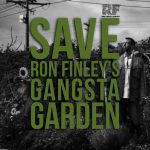
On Thursday, the troops were rallied by Annie’s President John Foraker, who issued a call to defend beloved food activist Ron Finley, better known as the “Gangsta Gardener.” Foraker sent an email to his large list of industry contacts and posted an open letter on LinkedIn urging members of the food industry to help Finley’s Los Angeles-based inner city garden avoid eviction, which he faces as a result of his previous landlord’s default on the property.
From conventional grocery to national coffee chains, natural brands are expanding their reach — and it’s still early in 2017. Here are some of the players making notable distribution growth.
An annual health and wellness progress report conducted by Consumer Goods Forum found that 66 percent of reporting companies reformulated products in 2016. But of those companies, roughly 27 percent made their policies regarding nutrition and product formulation public.
Land O’Lakes made hay while the sun shone today, acquiring venerable artisanal cheese maker Vermont Creamery. Founded in 1984, Vermont Creamery operate as an independently operated subsidiary of the Minnesota-based dairy giant.
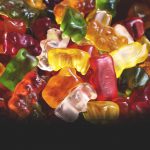
Earlier this month, State Senator Bob Wieckowski, a Democrat, introduced California SB 504, a bill that would require warning labels on all food containing synthetic dyes, including those sold in restaurants. It’s an issue that may cause food manufacturers to reconsider their use of synthetic colors not just in California, but nationwide.