Production Operator
Liber Cocktails

U.S. producers of natural and premium beverages such as coconut water, value-added dairy products and, in the food category, broths and soup, have gravitated to aseptic packaging for four principal advantages.

It’s clear that Americans are trying to eat healthier. But if you’re thinking about labeling your product as “light” or “low-calorie,” you might actually be turning away a few customers.

A growing number of U.S. consumers are buying locally produced foods, and retailers are taking notice. Using localized methods to produce and distribute food, the products are praised by consumers as being as more sustainable, fresher and environmentally-friendly than alternatives.

With the new year upon us we are happy to announce that we have four FBU events scheduled to take place in 2015
With the new year upon us we are happy to announce that we have four FBU events scheduled to take place in 2015

After learning about the basics of kitchen incubators, part two of FBU’s kitchen incubator series focuses on the costs of working in such a facility, the necessary permits and certifications you will need before starting, and the inner workings of developing your product in the kitchen incubator space.
When temperatures drop, soup sales heat up. But in recent years, consumer attitudes toward the category have been chillier than winter in Alaska, and declining sales of this venerable and undeniably versatile dish have left soup manufacturers in need of some comfort themselves.
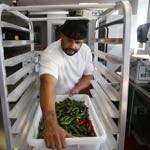
For early-stage food and beverage entrepreneurs, kitchen incubators are often one of the first stops on the road to brand development.
NOSH's video content includes thousands of video interviews with leading industry experts and topics such as investing, e-commerce, branding, current events and more.








Ask most industry trend spotters about what’s hot in food and beverage, and functional ingredients often show up near the top of the list.

A long-simmering food fight in the U.S. is about to reach a boil. The Food and Drug Administration (FDA) is intent on improving its labeling standards to encourage healthier eating.

Whether looking back after a recent sale or describing the professional and personal circumstances that govern their day-to-day lives, exemplary entrepreneurs often serve as the primary sources for advice and knowledge.

Food and Beverage University (FBU) Austin will feature a broad look at financial options for new food and beverage companies that will match their lifecycle and needs at all growth stages.

We love hearing stories behind new brands, and at the 2015 Winter Fancy Food Show, FBU interviewed with a great number of entrepreneurs to find out their story. We asked them how they got started and what they did before launching their businesses, to which many replied had nothing to do with food or beverage.

When you’re one of a handful brands (or perhaps, the only one) attempting to introduce a new or innovative ingredient, how do you educate consumers about it?