Brewer I
Eureka Heights Brewing Company

Parking lot shopping-cart wranglers might want to reconsider their job security as major retailers continue to focus on opening more small-box format stores. Wal-Mart and Target are just two companies racing to invest in small-box urban stores aimed not at stock-up shoppers but rather at quick-trip shoppers who are more likely to carry a basket–if they use one at all.

If you work in the natural or healthy products industry, chances are you were at Expo West this past weekend. It’s the world’s largest natural products trade show and though the process was somewhat of a disorienting experience – hacking our way through rows of nearly 3,000 exhibitors, trying out hand creams, puffed quinoa and vegan burger patties alike – FBU found the experience to be equally exhilarating.
When new brands exhibit at a trade show, the goal is to get noticed by buyers, distributors, the media as well as some consumers. But with over 70,000 attendees and 3,000 stalls to compete with, how can a new brand get noticed at a show like Natural Products Expo West? To get some answers, FBU spoke with a cadre of new brands that showcased their wares in Expo West’s Next Pavilion, and discussed the tips and techniques they use to generate traffic.
Considering the consumer clamor in recent years for all-things-natural, it’s no wonder that food and beverage manufacturers may occasionally stretch the boundaries of the term to apply it to their products.
It has been decades since expectant parents felt compelled to paint the nursery walls baby blue for boys and cotton candy pink for girls. But gender-specific marketing can be a huge turnoff for many shoppers–particularly Millennials and the cohort behind them, Gen Z. Both have proven to be the most gender-bending consumer groups to date.
With restaurant industry sales rising to over $7 billion in the United States, who would have thought that Americans actually prefer eating at home? That’s what a new report, “The Evolution of Eating,” by national CPG brokerage firm Acosta Sales and Marketing is saying.

Starting a food or beverage business can be a very creative and exciting process, but it can also be highly technical, laden with administrative and, yes, legal hurdles. And while hiring a lawyer can be a stressful – and expensive — process, it’s important to have the right kind of guidance when you’re making key decisions, like what kind of corporation to form for your business and what licenses and regulations you will have to comply with when your food or beverage brand launches.
The benefits of coconut water have quickly catapulted the electrolyte-rich elixir from an exotic liquid sipped from the shell by locals and tourists to the epicenter of an entirely new beverage category: plant waters. And while coconut water continues to grow and evolve in the natural beverage space, which intersects with the similarly expanding functional foods category, it now has lots of company.
NOSH's video content includes thousands of video interviews with leading industry experts and topics such as investing, e-commerce, branding, current events and more.







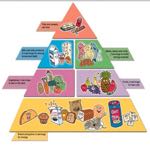
Caffeine is okay in coffee, but be wary of energy drinks. Sugar is fine in fruits and vegetables, but not added to snacks and drinks. It seems to be these sorts of recommendations made by the 2015 U.S. Dietary Guidelines Advisory Committee (DGAC) that are drawing praise from some and hostility from others.

For many new food and beverage companies, landing placement in Whole Foods is often an important goal. The influential retailer is viewed by many as an powerful launching pad for expanded sales and distribution within the natural channel and beyond.

They’re barely out of diapers. But Generation Alpha—children born since 2010—
promises to be the most highly educated, diverse and technologically proficient generation to live so far, predicts Tessa van Asselt, a demographic expert from TrendsActive, a Dutch consultancy.

It’s not often you see altruistic innovation get paired with the funding it needs to impact the world, but luckily for entrepreneurs in the University of Texas’ (UT) Food Lab Challenge Prize competition, an opportunity just arose. Barnraiser, a crowdfunding community started by Eileen Gordon, wife of celebrity-chef Michael Chiarello, is pairing up with The Food Lab to help entrepreneurs, who are dedicating their work to improving the world’s food system, get the funding they need.
Food and Beverage University has four action-packed seminars ahead for 2015 and we made our very first stop in the Lone Star State capital of Austin, Texas. “Keeping Austin weird” is the city’s motto, and frankly, if weird means innovative, unique, energizing, and avant-garde, then Austin is very weird.

When we interviewed the director of community relations for Boston’s CropCircle Kitchen as part of our Kitchen Incubator Series, she insisted we talk with one of its star entrepreneurs, Sherie Grillon, the founder of NoLA’s Fresh Foods.