Area Sales Manager - Pittsburgh, PA
Good Boy Vodka
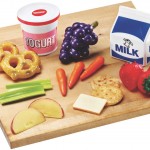
While snacks have long been defined by in-between meal consumption, consumers increasingly utilize the small food servings as meal replacements, and entrepreneurs would be wise to take advantage of this expanding market.

Nina Hooper is a Harvard astrophysics student by day and a “guilt-free,” vegan, chocolate lava cake baker by night – well, by early morning. At 6 a.m. several days of the week, Hooper gets up to bake cakes for her business, Holistic, which is now a project on Kickstarter.
Entrepreneurs who understand how a small-scale grocery service works will understand many of the demands and considerations bigger retailers will have when it comes to carrying their products — but they also have the benefit of understanding the way these new, web-based grocers function, as well.
While starting a local, grocery delivery service is not something we typically hear about from food and beverage entrepreneurs on the producing end, the process of forming the business and getting the necessary connections with suppliers and distributors is actually very similar.
BevNET FBU Chicago will offer three entrepreneurs the opportunity to pitch their business plan on stage to a panel of three experienced investors, applications are now open!
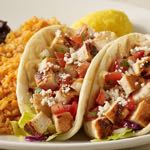
Multicultural consumers currently account for more than 38 percent of the total U.S. population and by 2044, the U.S. Census predicts they will become the numeric majority.
For entrepreneurs, the shift represents a major opportunity to innovate and attract a rapidly growing consumer set that’s already altering the food and beverage landscape.

In FBU’s final series of interviews with attorney Adam Dash, we focus on intellectual property law and contracts between companies and their employees and third party contractors. These two segments will help entrepreneurs better understand how to protect their brands and also shed some light on the importance of having a contract between themselves and the people they work with.

Food fights aren’t just for kids. Today’s food and beverage manufacturers and retailers are waging fierce battles for bigger and bigger pieces of the proverbial pie—and paying close attention to who’s buying what. And for good reason: what makes it into the shopping carts of the most powerful cohorts is the evidence they need to divine their business futures.
NOSH's video content includes thousands of video interviews with leading industry experts and topics such as investing, e-commerce, branding, current events and more.

Nierenberg will share his thoughts on the ways new and growing brands should think about setting up their routes to market, from attracting high-quality brokers to incorporating DSD and direct-ship options into their strategies.
We are happy to announce that we’ve posted the preliminary agenda for FBU Chicago, BevNET’s all-day event that gives food and beverage entrepreneurs the knowledge they need to understand and overcome the challenges of launch and growth.
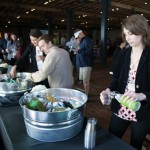
What is the “Sampling Station” at FBU? The FBU Chicago Sampling Station is an exclusive opportunity for attendees to show and sample their product to investors, retailers, distributors, and the rest of their fellow attendees. This station is an unmanned area, meaning you will not be physically sampling your product. Attendees will be sampling and discussing the products at their leisure during meals and networking breaks built into the full day program.

FBU attended several of the educational sessions featured at the 2015 Natural Products Expo West, and it was apparent that the ones focused on special diets were drawing in the biggest crowds. While not an examination of the science behind the diets, the sessions did focus on the evolution and rise in consumer adoption of each, and, consequently, the effect on innovation for manufacturers.
For budding food and beverage entrepreneurs, early decisions can have long-term ramifications because they ultimately impact one key asset: cash on hand.

In part one of our interview with attorney Adam Dash, we focused on what entrepreneurs need to know about forming a business entity. Today, we’re continuing the discussion with Dash, who talks about the permits, licenses and regulations that food or beverage entrepreneurs will require when launching and expanding their businesses.