

Brewer I
Eureka Heights Brewing Company

It’s a question that has long challenged entrepreneurs: how do I learn more about my consumers? Granted, industry reports from leading marketing firms can be helpful in formulating a business and marketing strategy, but they are often very expensive to acquire.

We had our second Food and Beverage University event of the year in the amazing city of Chicago this past Thursday. The industrial Moonlight Studio space was transformed into a chic and modern food and beverages classroom for nearly 100 entrepreneurs.
In the second part of our interview with Massachusetts’ Small Business Administration (SBA) district director, Bob Nelson, FBU focused on the specific resources that the agency can offer entrepreneurs.
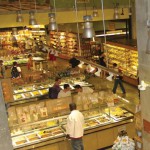
“You know, I’ve never thought about that question before.” That’s what I’ve been hearing almost exclusively lately when I ask whether there’s anything alarming about the lack of racial and ethnic diversity that I found remarkably easy to observe at Natural Products Expo West.
Brewer I
Eureka Heights Brewing Company
Field Sales Representative
Hamburg Brewing Company

Area Sales Manager - Minnesota
Good Boy Vodka
State Manager - MN
Good Boy Vodka
Vice President — Lost Forty Brewing
Lost Forty Brewing
Vice President of Sales - Southeast US
Good Boy Vodka
Area Sales Manager - Sacramento, CA
Good Boy Vodka

Wouldn’t it be nice if brands could identify the reasons behind consumer purchasing decisions and then use that information to develop their marketing strategies? In its recently released “The Why Behind the Buy” report, Acosta Sales & Marketing examines what drives consumers when they shop.
All startup brands know how difficult it is for new product launches to make an impact, especially during the first year. In its annual New Product Pacesetter report, IRI, a Chicago-based market research firm, featured the top food and beverage launches of 2014 (based on year one dollar sales in measured channels) and examined what they did right.

Many entrepreneurs think that you only go to the Small Business Administration (SBA) when you want to get a loan. While the SBA is indeed a key resource for business loans — it assisted in the lending of almost $30 billion to small businesses in 2014 — the agency also works with entrepreneurs on launching and managing their companies.
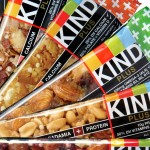
Food and beverage entrepreneurs may need to be cautious when it comes to putting the word “healthy” on their labels, especially if they are working with high fat ingredients such as nuts.
NOSH's video content includes thousands of video interviews with leading industry experts and topics such as investing, e-commerce, branding, current events and more.




You’ve made some headway with farmers’ markets in your area, where sales and feedback about your brand have been pretty good. So what’s next? How do you get your product into local retailers and, eventually, on the trucks of regional distributors?

Got specific questions on growing a food or beverage brand? Need to find out some information that you think is only relevant to your company? The FBU Chicago event will offer attendees the chance to have all of their questions answered in small groups by our own set of expert speakers when we introduce our first set of FBU Round Table Talks during the afternoon break.
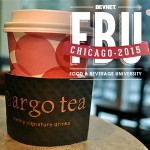
Ms. Dimitri will be discussing the way the Chicago-based company developed its RTD extension, including the ways that specific branding elements and innovations move from cafes into and onto bottles. In breaking down the elements of that progression, her talk will provide the FBU audience ways of thinking about their own brand evolution.

Although it may seem like the gluten-free market is plateauing, new health studies by researchers in Europe and Australia just might have manufacturers expanding their offerings instead of contracting them.

It’s a staple of the past few years that anyone who has come up with a good idea – or thinks she has – has probably thought about putting it up on Kickstarter.

Weiland will offer his take on the key characteristics of companies that help small food and beverage companies grow and move into the big leagues of retailing, as well as some of the most important practices they have demonstrated to stay there.