

District Sales Manager
CG Roxane

Consumers are constantly updating their definition of “healthy,” and because their preferences for ingredients and functional benefits are evolving, companies need to stay on top of what is new and engaging. That was one key in finding in Deloitte’s recently released study, which examines purchasing behavior of American consumers as it relates to national food, beverage and household brands.

You hear it all the time: millennial consumers are changing the way companies do business. Certainly, change is evident in how brands evolve and introduce new products, with particular regard to millennial demand for clean labels and sustainability. Yet how is the demographic set, loosely defined as those aged 20-35, shopping for products at retail?
Our last interview with Sean Horrigan, a public relations specialist, will focus on how entrepreneurs go about launching a PR campaign. Horrigan talks about the types of research and preparation entrepreneurs would need as they plan out a campaign and also discusses how long it may take before brands start to see results.
With the snacking market becoming ever more competitive, how do new entrepreneurs decide which categories will give them the greatest chance of success and growth without having to spend a huge amount of money on research?
District Sales Manager
CG Roxane
Brewery Cellar Technician (1) and Packaging Technicians
Isle Brewers Guild, LLC

Production Operator
Liber Cocktails
Sales Representative - AZ
Bluebird Hardwater
NH/ME/VT State Manager
Spiked Ade
Lab Manager
Russian River Brewing Company

Business Development Specialist
Nantucket Crisps


In FBU’s last interview with PR specialist Sean Horrigan, we talked about the power of public relations and how strong third party endorsements can really help elevate a brand. In this interview, we ask Horrigan about how to maximize a brand’s presence on social media and how to increase one’s following in the process.

With the natural and organic market being as developed as it is, what else can entrepreneurs do to continue and innovate? Last month, Boulder-based brand-building firm, Sterling Rice Group (SRG) released its top nine natural and organic food trends for 2015.
What can an effective public relations strategy do for a new food or beverage company? Sean Horrigan, a public relations specialist, says that it might mean the difference between obscurity and prominence for your brand.
As on-the-go Americans increasingly to turn to snacks in favor of sit-down meals, many food marketers view crackers, seen as a better-for-you option as compared to chips and pretzels, as critical to new product development — and greater sales.
NOSH's video content includes thousands of video interviews with leading industry experts and topics such as investing, e-commerce, branding, current events and more.
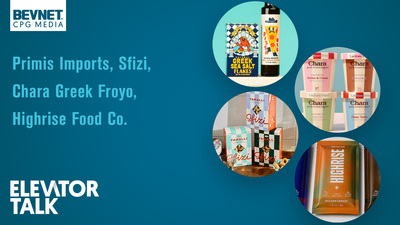



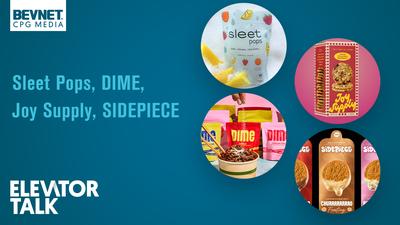



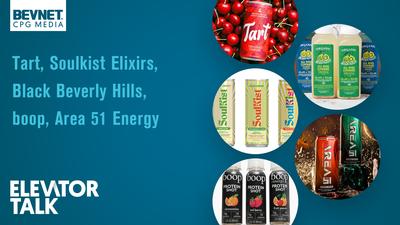


When large and established companies are deciding whether to invest in an emerging brand, what do they want to see?
For a smaller company, working with a strategic partner can mean greater resources, knowledge and growth that it otherwise would not have.

I can’t stop thinking about Baltimore. The city where Freddie Gray was killed – allegedly by a “rough ride” from six Baltimore police officers, who have since been indicted – is also the the home of Natural Products Expo East.

A recent blog post published by SPINS, a leading provider of sales data in the natural and specialty food industry, posits that food trucks are impacting the CPG industry in a big way. Penned by SPINS analyst Gerald Oksanen, the post examines the impact of food trucks as leading incubators for culinary trends and innovation and why new CPG brands should take notice.
The National Confectioners Association (NCA) hosted its annual Sweets and Snacks Expo this week in Chicago. Featuring approximately 650 exhibitors and over 16,000 industry professionals, the event showcased the latest trends and products in chocolate, candy, gum, snacks, granolas, cookies, cakes and more.
You’ve completed the formulation and branding phases in the development of your brand. One of the next steps is coming up with an effective marketing strategy; it should be comprehensive and draw upon reliable market research and consumer insights.

Technomic, a Chicago-based research and consulting firm, predicts that over the next decade, Americans will dramatically change how and where they spend their money for food as compared to the previous decades when demands (and demographic trends) were more predictable.