

Food Industry News, Insights, and Education for the CPG Community
Project NOSH Pitch Slam Hits Manhattan June 12
As Project NOSH in New York draws near, so too does the exciting Project NOSH Pitch Slam, which returns for its second edition on June 12 at the Metropolitan West Pavilion. The premier opportunity for a select group of emerging natural packaged food brands to step into the spotlight, the Pitch Slam is the signature competition of the Project NOSH Summer 2017 conference; it is sponsored by ADM.
Ocean’s Halo to Make Waves in the Broth Category
Look what the tide brought in: seaweed broth. While the past year has seen grocery aisles awash in a wave of chicken, beef and vegetable broths, Robert Mock, co-founder of Ocean’s Halo Seaweed Snacks, sees an opening to launch a new line of seaweed-based broths.

Brown Departs as CEO of NWNA, Moves to Chobani
Last week Tim Brown stepped down as the CEO of Nestlé Waters North America (NWNA), and today was named president and chief operating officer of Greek yogurt giant Chobani. He starts in his new position at the privately-owned company on March 20, reporting directly to Chobani founder and CEO Hamdi Ulukaya.

Back to the Roots Sprouts New Look While Roots Deepen
Cereal and garden kit brand Back to the Roots (B2TR) will have a new look heading to shelves soon, part of a refreshed brand identity that the company’s founders say will span the company’s portfolio. Along with the rebrand, the brand announced the launch of two new ready-to-grow pepper kits as well as a snack line of sunflower seed butter “bites.”
Video: Rewatch Recent Videos
NOSH's video content includes thousands of video interviews with leading industry experts and topics such as investing, e-commerce, branding, current events and more.

Paleo Passion Expands With New Retailer and Product Line
Paleo Passions has been working to evolve the way consumers think about and eat food since it first launched its good-for-you frozen popsicle line about three years ago. Now, the caveman-inspired company is adding to the reach of its brand via an upcoming deal with Walmart and a new product line positioned outside of the freezer aisle.
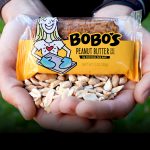
BIGR Leads Investment In Boulder’s BOBO’s
To help bring a fresh baked taste from the bakery section to center store, BOBO’s, a producer of oat bars, announced today the closing an $8 million round of capital. Boulder Investment Group Reprise (BIGR) lead the round with additional funding provided by investment firm Range Light LLC.
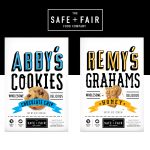
Safe and Fair Food Company Plans Allergy-Free Empire, Sans Skeeters
Will Holsworth has a vision, and it goes far beyond the Skeeter. Holsworth, a veteran executive at both big companies (PepsiCo) and smaller enterprises (Muscle Milk and Sambazon), had been approached to run Skeeter Snacks, but he saw a broader play — to codify allergen-free snacks under a single brand that would be safe for consumption while also providing a good-looking, modern brand that wouldn’t embarrass a parent or stigmatize the at-risk consumer.
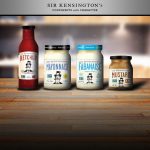
Sir Kensington’s Answers Consumer Demand With Expanded Fabanaise Line
Last year at Expo West, Sir Kensington’s launched its mayo-substitute Fabanaise, one of the first products to use aquafaba as an egg replacement. Now the company is at it again, expanding the plant-based eggless mayo’s portfolio to include a Fabanaise made with 100 percent avocado oil.
Featured Jobs
-

Shift Brewer
Indian River Beverage Corporation
-
Austin TX - Trade Marketing Manager
DioniLife USA
-
Malt RTD Market Manager - TN/MS
Hive
-
Lead Brewer
Smog City Brewing Co.
-
Market Development Manager (Camponero) – Downtown San Diego
The Hive Inc
-
Head Brewer
The Beer'd Brewing Company
-
SpikedAde- State Mgr - Louisana
SpikedAde
-
Post a Job




Earnings Roundup: B&G’s Lofty Innovation Plan; Hormel M&A Pipeline ‘Full’
Over the last week, B&G Foods Inc., The Hershey Company, Pinnacle Foods, Sprouts Farmers Market and the Hormel Food Corporation each had quarterly earnings calls for analysts and investors. Here’s what the companies had to say about growth, road bumps and road maps for 2017.

People Moves: Blue Apron Adds Hirshberg, barkTHINS Staffs Up
Some of the food industry’s most influential leaders are switching up their rosters. Here are the latest players to slide into new roles.

2x Partners and General Mills Invest in No Cow Bar Maker D’s Naturals
Today 2x Consumer Products Growth Partners (2x Partners) and General Mills’ new business and venture arm 301 INC announced an investment in D’s Naturals, creators of the “No Cow” plant-based protein bars and Fluffbutter, a protein-infused nut butter.
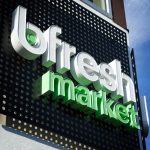
With bfresh, Ahold Takes on the Urban Shopper
With millennial consumers taking root in cities, retailers have realized it’s time to adapt and create store formats that appeal to this unique generation. In the Boston metro area, Ahold Delhaize has been quietly testing their own urban format: bfresh market.

Muscle Milk Maker Announces New Plant-Based Protein Platform
CytoSport is expanding its protein offerings this month with Evolve, a new complete line of protein powders, bars and ready-to-drink, shelf-stable shakes. The entire vegan-friendly platform, which contains no gluten, soy, or dairy ingredients, is made with non-GMO pea protein.
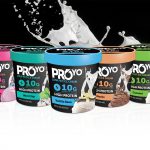
ProYo Pints to Pack Protein Into the Freezer Section
Over the past two years, frozen dessert brand Pro-Yo has seen sales of its line of high protein, probiotic enhanced “smoothie tubes” grow rapidly into roughly 1,600 stores nationwide. But founder and President Nathan Carey knew the brand could go farther with a new line.