
Sales Representative - Craft Beverage Brands South San Di...
TDG Beverage Sales & Consulting

Many entrepreneurs think that you only go to the Small Business Administration (SBA) when you want to get a loan. While the SBA is indeed a key resource for business loans — it assisted in the lending of almost $30 billion to small businesses in 2014 — the agency also works with entrepreneurs on launching and managing their companies.
Food and beverage entrepreneurs may need to be cautious when it comes to putting the word “healthy” on their labels, especially if they are working with high fat ingredients such as nuts.
You’ve made some headway with farmers’ markets in your area, where sales and feedback about your brand have been pretty good. So what’s next? How do you get your product into local retailers and, eventually, on the trucks of regional distributors?

Got specific questions on growing a food or beverage brand? Need to find out some information that you think is only relevant to your company? The FBU Chicago event will offer attendees the chance to have all of their questions answered in small groups by our own set of expert speakers when we introduce our first set of FBU Round Table Talks during the afternoon break.
Sales Representative - Craft Beverage Brands South San Di...
TDG Beverage Sales & Consulting

National Account Manager
Almanac

Area Sales Manager - New Jersey
Good Boy Vodka
Packaging & Equipment Technician
Russian River Brewing Company

Brewer
Civil Society Brewing
Assistant Brewer
Firehouse Brewing Co.

Sales Manager
Spearhead Spirits


Ms. Dimitri will be discussing the way the Chicago-based company developed its RTD extension, including the ways that specific branding elements and innovations move from cafes into and onto bottles. In breaking down the elements of that progression, her talk will provide the FBU audience ways of thinking about their own brand evolution.

Although it may seem like the gluten-free market is plateauing, new health studies by researchers in Europe and Australia just might have manufacturers expanding their offerings instead of contracting them.

It’s a staple of the past few years that anyone who has come up with a good idea – or thinks she has – has probably thought about putting it up on Kickstarter.

Weiland will offer his take on the key characteristics of companies that help small food and beverage companies grow and move into the big leagues of retailing, as well as some of the most important practices they have demonstrated to stay there.
NOSH's video content includes thousands of video interviews with leading industry experts and topics such as investing, e-commerce, branding, current events and more.


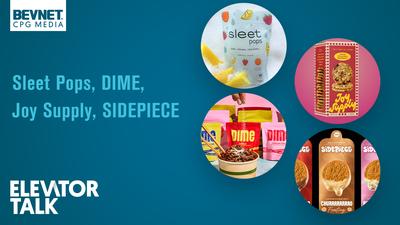



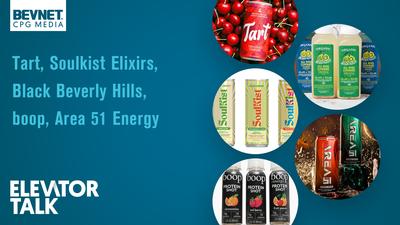

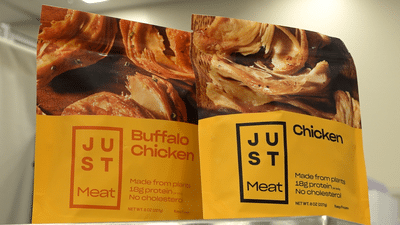
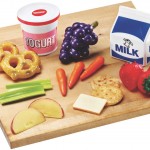
While snacks have long been defined by in-between meal consumption, consumers increasingly utilize the small food servings as meal replacements, and entrepreneurs would be wise to take advantage of this expanding market.

Nina Hooper is a Harvard astrophysics student by day and a “guilt-free,” vegan, chocolate lava cake baker by night – well, by early morning. At 6 a.m. several days of the week, Hooper gets up to bake cakes for her business, Holistic, which is now a project on Kickstarter.

Entrepreneurs who understand how a small-scale grocery service works will understand many of the demands and considerations bigger retailers will have when it comes to carrying their products — but they also have the benefit of understanding the way these new, web-based grocers function, as well.

While starting a local, grocery delivery service is not something we typically hear about from food and beverage entrepreneurs on the producing end, the process of forming the business and getting the necessary connections with suppliers and distributors is actually very similar.

BevNET FBU Chicago will offer three entrepreneurs the opportunity to pitch their business plan on stage to a panel of three experienced investors, applications are now open!
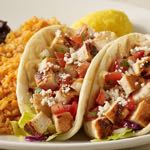
Multicultural consumers currently account for more than 38 percent of the total U.S. population and by 2044, the U.S. Census predicts they will become the numeric majority.
For entrepreneurs, the shift represents a major opportunity to innovate and attract a rapidly growing consumer set that’s already altering the food and beverage landscape.