How Can Brands Secure a Spot in Consumers’ Baskets in 2026?


Consumer preferences seem to be shifting almost daily. That can make it pretty tough for brands to figure out where to focus and lean in so they can secure a spot in a shopper’s basket.
Fiber? Protein? Low-carb? While there’s no guarantee these insights will stand the test of time, this week global market intelligence agency Mintel outlined the trends it believes will be sticky within shopping carts in 2026.
Shifting Perceptions on Fiber and Protein: We’ve heard it before and we’ll no doubt hear it again: fiber is the new protein. But to capture a share of consumers’ wallets, brands will need to establish a “cool” factor with efficacy and affordability in mind.
- Case-in-point: Earlier this year, Jeni’s Ice Cream founder Jeni Britton mounted her second entrepreneurial act with the launch of Floura, a line of bars crafted with watermelon rinds, apple cores and other overlooked plant parts.
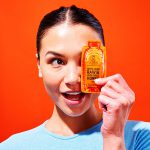
- Elsewhere, BelliWelli – the digestive wellness brand behind the “Hot Girls Have IBS” campaign – established “insane product market fit” with its modern take on Metamucil.
“Upcycled” Gets a Rebrand: With food waste and climate change weighing on the minds of consumers, brand operators and retailers alike, upcycling is as important as ever. However, in 2026, “upcycled” will be rebranded as “resourceful,” Mintel believes.
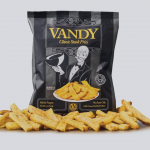
- Last year, upcycled potato chip brand Uglies pushed deeper into convenience, using the channel to grow awareness about its mission to reduce food waste.
- Some brands are still hesitant to label their products as upcycled, with puffs maker B-Sides bucking the trend to focus squarely on the perceived value consumers look for in their snacks.
Retro Rejuvenation: Nostalgia has consistently had an impact on F&B innovations for years, but in 2026, nostalgia for the past does not mean rewinding to a specific year or era. Instead, consumers are “seeking refuge from a volatile and artificially intelligent world in an idealized and romanticized view that life in the past was simpler.”
Intentionally Sensory: From dirty soda going mainstream to Dubai chocolate bleeding into every format possible, multisensory products are maturing from “whimsical novelties” to more practical and purposeful formulations.
- At the Summer Fancy Food Show, Just the Fun Part showcased its new Dubai Cones while mother-daughter founded snack company Rolling Pin highlighted its single-serve Dubai-style chocolates.
“Multisensory formulations will heighten the emotional reactions consumers have to food and drink. This builds on a prediction from 2021 that more people will learn how diets impact their mental and emotional health,” reads the report.