Hot Dog Divorce: Kraft, Heinz Detail Split

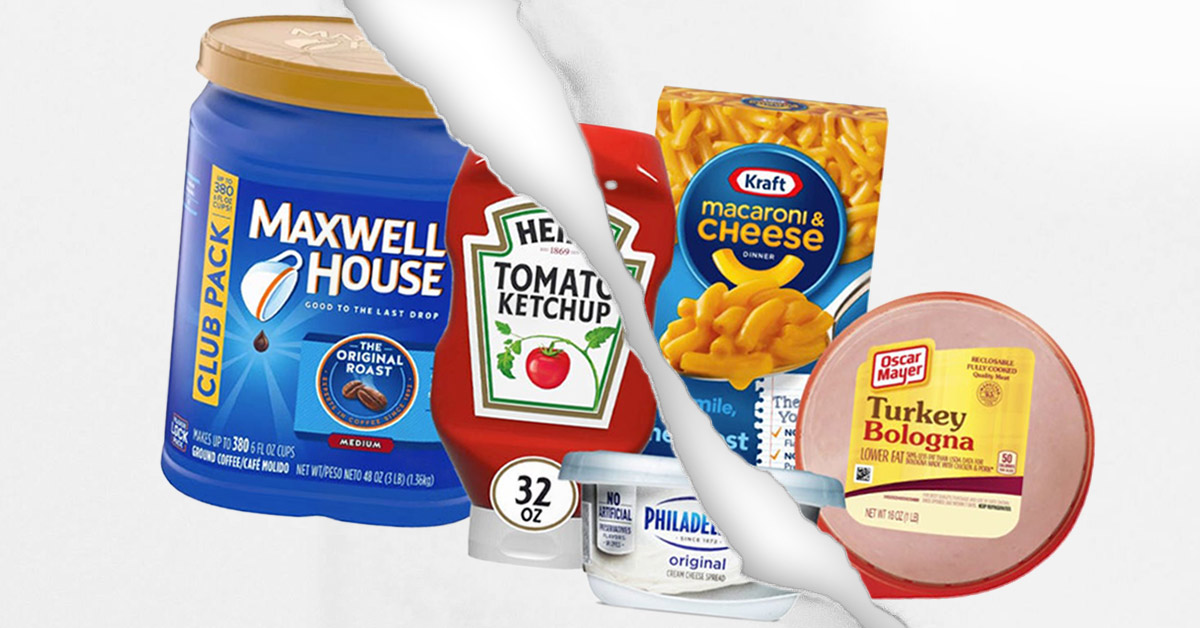
After nearly a decade together, the $45 billion megamerger deal that conjoined Kraft’s grocery business with Heinz’s sauce and spread platform will be unwinded as the global food company siphons off its business units to introduce more focus and reduce complexity amid lagging sales and volume declines that have been augmented by increasingly challenging macroeconomic environment for all food makers.
“This focus will enable stronger performance while preserving the scale to compete and win in today’s environment,” the company said in a press release.
The two businesses – currently referred to as Global Taste Elevation Co and North American Grocery Co – will be formally named at a later date, per Kraft Heinz. Sauce and spread-focused Global Taste Elevation Co generated approximately $15.4 billion in 2024 net sales and includes brands such as Heinz, Philadelphia and Kraft Mac & Cheese.
The company’s board is currently searching for an individual to lead the sauce and spread business once the split is complete, which is expected in the second half of 2026. According to Kraft, about 20% of the segment’s sales are from emerging markets and 20% generated from away from home, arguing that gives the businesses a solid base to grow across categories and new geographies beyond the U.S. grocery channel.
The North American Grocery Co – which will include Oscar Mayer, Kraft Singles and Lunchables – contributed $10.4 billion in 2024 net sales and will continue to be led by current Kraft Heinz CEO Carlos Abrams Rivera. The company believes this segment will generate “reliable” free cash flow via operational efficiencies and growth opportunities in existing and adjacent categories, as well as the away-from-home channel.
About 75% of that segment’s net sales are generated from brands that led their respective categories as either the top, or second top seller, per Kraft. The still-combined business currently operates more than 200 brands spanning 55 categories with a presence in over 150 countries.
“Kraft Heinz’s brands are iconic and beloved, but the complexity of our current structure makes it challenging to allocate capital effectively, prioritize initiatives and drive scale in our most promising areas,” said Miguel Patricio, executive chair of the board, in a statement. “By separating into two companies, we can allocate the right level of attention and resources to unlock the potential of each brand to drive better performance and the creation of long-term shareholder value.”
Kraft has been working to turn around sales performance after reporting declines for more than a year, including a focus on reinvigorating its once top-performing Lunchables brand. In Q3 2024, Lunchables contributed to nearly 50% of the company’s U.S. Retail sales declines year-over-year.
Investments in price-pack architecture have also been key to those turnaround efforts as the grocery staples business aimed to recapture consumers with bulk and family-sized innovations. However, Kraft expects its costs will rise between 5% to 7% this year and only a portion of those increases will be passed on to the consumer through pricing actions, leading the company to downgrade its full-year expectations after reporting Q1 2025 results in April.
Patricio, previously chair of the board, has been elevated to the executive chair post and will work with Abrams Rivera along with the Separation Committee, led by board vice chair John Cahill, to prepare Kraft Heinz for the spinoff. The company plans to retain its current headquarters in Chicago and Pittsburgh following the business segmentation.
“This move will unleash the power of our brands and unlock the potential of our business,” said Abrams-Rivera. “This next step in our transformation is only possible because of the commitment of our 36,000 talented employees who deliver quality and value for consumers every day. We will continue to operate as ‘one Kraft Heinz’ throughout the separation process.”
The transaction is subject to customary conditions including final board approval, among other regulatory requirements. The capital structure, board composition, company names and brand allocations will be announced at a later date, Kraft Heinz said.
The news comes at a contentious time for Big Food as it grapples with the impact of the federal government’s Make America Healthy Again (MAHA) initiative in addition to rising operational costs due to tariffs and supply chain complexity. The separation of Kraft Heinz also bears similarities to the initial separation plan of Kellogg Company back in 2022.
That split was announced with an intention to help the company invest and focus on supporting top-performing brands by establishing two independent organizations. After the separation was finalized, however, both new entities eventually sold to other large strategics with the growth-focused arm Kellanova being scooped up by Mars, Inc. in a deal estimated to be valued at over $36 billion.
WK Kellogg is in the process of being bought by Ferrero. That deal is estimated to be valued at $3 billion, and Ferrero reportedly dropped its bid by about $75 million prior to the announcement after its own investigation into the business revealed lower-than-anticipated sales due to the long term, looming threat of MAHA on the cereal category.
While Kraft came out as one of the first large food conglomerates to publicly pledge an alignment with MAHA’s efforts to remove artificial dyes from formulations, complying with future initiatives – such as reducing the prominence of ultraprocessed foods in American diets – could become more costly and complex.
Explore the Nombase CPG Database
Head to Nombase to learn more about the tagged companies and their offerings.