Kraft Heinz Commits To Remove Artificial Food Dyes By 2027

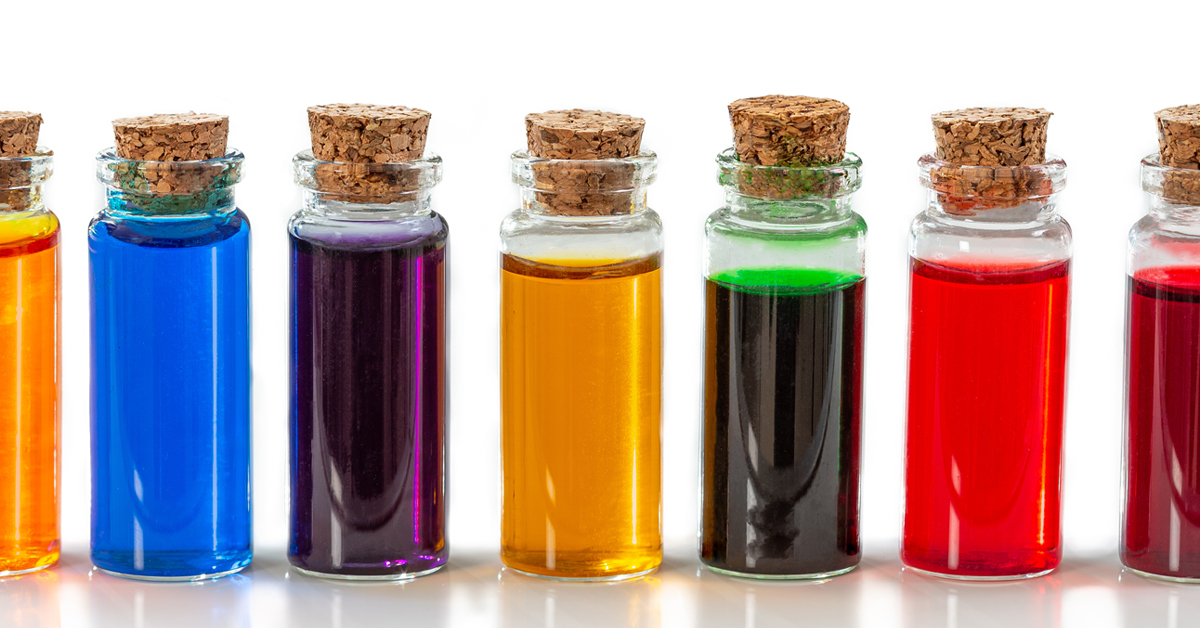
Kraft Heinz is kicking red dye and others to the curb as it aligns itself with key objectives of the Make America Healthy Again (MAHA) movement.
The food and beverage conglomerate this morning proclaimed, effective immediately, it will not launch any new products in the U.S. that contain Food, Drug & Cosmetic (FD&C) colors. Kraft Heinz also stated it will remove FD&C colors from its U.S. portfolio by the end of 2027.
“As a food company with a 150+ year heritage, we are continuously evolving our recipes, products, and portfolio to deliver superiority to consumers and customers,” said Pedro Navio, North America president at Kraft Heinz, in a press release. “The vast majority of our products use natural or no colors, and we’ve been on a journey to reduce our use of FD&C colors across the remainder of our portfolio.”
This push within Kraft’s own portfolio is playing out while federal officials are working on a plan to rid the U.S. food system of FD&C colors, commonly referred to as synthetic food dyes. These additives, which have been verified as safe for human consumption by the U.S. Food and Drug Administration (FDA), have become a primary target within Health and Human Services Secretary Robert F. Kennedy Jr.’s MAHA movement.
However, Kennedy originally said in April that he would work to phase food dyes out by the end of 2026. At the time, industry experts noted that timeline was extremely short and pointed to the lack of official commitments, or even support, from major food producers.
In late May, the Trump administration released the inaugural MAHA report, which positioned food dyes, among other characteristics like ultraprocessed food, as the source of chronic childhood disease in the U.S.; that report has since come under question for an alleged reliance on AI after it was discovered that several citations provided did not exist. However, the MAHA commission is said to be working on a follow up report, set to be released in August, to provide a roadmap for the industry to remedy the issues it outlined in the inaugural memo.
Kraft claims that approximately 90% of all of its U.S. products are already made without synthetic food colors and it is also working with licensees of its brands to phase out the use of these inputs. It said it has invested “significant resources” to address the small portion of products still made with these inputs.
That team will apply a three-pronged approach, removing colors where they are “not critical to the consumer experience” or replacing them with natural colors. The third approach includes working to reinvent new colors where natural alternatives are not available or sufficient replacements.
Corporate goals, however, may be subject to change. Another major CPG conglomerate, WK Kellogg, has come under fire for failing to make good on its 2018 promise to remove synthetic dyes from its cereal formulations, sparking an activist campaign, led by both investors and consumers, against the company in October 2024.
According to Kraft, it has long been working to clean up the ingredient panels of its flagship products. The company went on to highlight how it has added protein and fiber to over 1,000 products and is reducing sugar, salt and saturated fat contents; Kraft said it is on track to cut nearly 55 million pounds of sugar from its portfolio by the end of the year.
“In fact, we removed artificial colors, preservatives, and flavors from our beloved Kraft Mac & Cheese back in 2016. Our iconic Heinz Tomato Ketchup has never had artificial dyes – the red color comes simply from the world’s best tomatoes. Above all, we are focused on providing nutritious, affordable, and great-tasting food for Americans and this is a privilege we don’t take lightly.”
Explore the Nombase CPG Database
Head to Nombase to learn more about the tagged companies and their offerings.