Snap, Crackle, Sell: Ferrero Reportedly Buying Kellogg’s Cereals

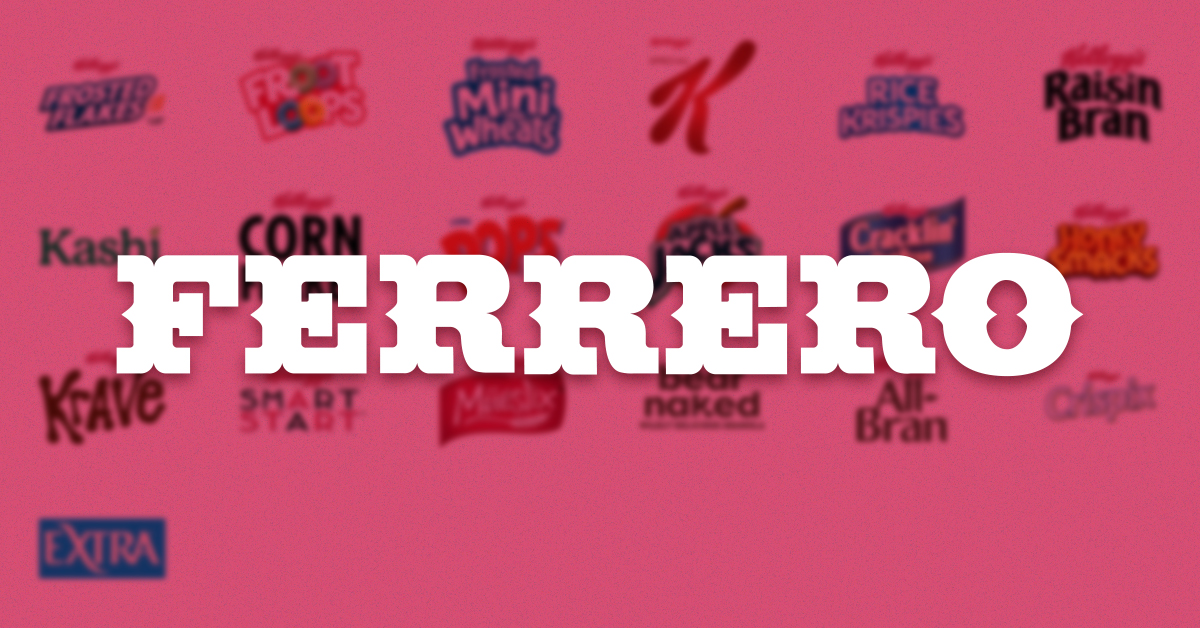
Remember when Mom wouldn’t let you eat Frosted Flakes because she thought they were basically candy?
One of the world’s biggest candy companies apparently agrees with Mom.
The Wall Street Journal is reporting that Italian candy maker Ferrero Group – which makes wildly popular Nutella spreads and Ferrero Rocher chocolate-covered hazelnut candies, as well as Butterfinger and Baby Ruth – is on the verge of picking up cereal company WK Kellogg, the keeper of Tony the Tiger and other well-known cereals (and cereal mascots).
Ferrero, which is family-owned, has been on a buying spree in the U.S. of late. The Italian confectionery company purchased Blue Bunny ice cream parent Wells Enterprises, as well as spending nearly $3 billion for Nestlé’s chocolate business in 2018. That year, the company took a nibble of Kellogg’s as well, picking up the Keebler elves as well as other cookies, fruit snacks, and pie crusts from the parent company for about $1.8 billion. More recently, Ferrero picked up fitness bar brand Power Crunch, in January.
Last year, Ferrero North America opened its first U.S.-based chocolate production facility in Bloomington, Ill. Although the company counts baked goods like cookies, crusts and cones as well as the Tic Tac brand in its domestic portfolio, the potential acquisition of WK Kellogg would give it a foothold in ready-to-eat cereal. That category has been stagnant as tastes move toward higher-protein and better-for-you options.
Nevertheless, cold cereal netted nearly $11 billion in the latest 52-week period ending June 15, according to Circana sales data. Kellogg’s represents about 24% of the market with dollar sales down 4.4% during the period.
The $3 billion cereal deal is dwarfed by the pending $36 billion acquisition of Kellogg’s snacking spinoff Kellanova by Mars, Inc., announced late last year. That puts pantry fillers like Pop-Tarts, Pringles, Eggo, and Cheez-It crackers in the hands of the erstwhile candy maker. Nevertheless, at the time of the announced split in 2022, the company’s enterprise value was estimated at around $30 billion.