
Meagan McGinnes
Posts by Meagan McGinnes

Post Investment, GeeFree Bakes Up Success
GeeFree was founded in 2013 by partners Susan Hougui, a food consultant, and Steven Leyva, a baker. The duo baked the business from there, growing the company to about $500,000 in sales in its second year. Then in March 2017, Billy Procida, founder of the multi-billion dollar real estate investment group Procida Funding & Advisors, invested $1 million dollars for half the company. Now post investment, the company said it’s already seeing a tenfold increase in its month-to-month sales from March to May thanks in part to a new COO and a ramped-up marketing campaign.
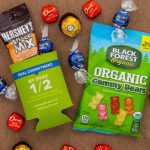
Sweet & Snacks: Big Candy Goes For Small Portions, Transparency
At this year’s Sweets and Snacks Expo in Chicago, Illinois, Mars Chocolate, Wrigley, Nestlé, Ferrero, Lindt, Ghirardelli, Russell Stover and Ferrara Candy Company highlighted their new pledge to educate consumers about the portions and calorie counts of their treats. The five-year plan, led by the National Confectioners Association (NCA) and Partnership for a Healthier America (PHA), recognizes that while candy is “always a treat,” sweets can still fit into a healthy lifestyle.

In the Courtroom: Kraft-Heinz Suit Sets Patent Precedent, Mott’s Sued for ‘Natural’ Claims
From patent restrictions and investor complaints to false labeling claims, these are the cases creating — or aiming to clean up — messy food dealings.

‘Sweets and Snacks’ Dominate Amazon Sales
At this year’s Sweets and Snacks Expo in Chicago, Illinois, Nathan Rigby, One Click Retail’s Vice President of E-Commerce, led a presentation about Amazon’s purchasing power. Data shows that one of the largest growth opportunities for the online retailer is in the candy and snack space.
Voortman Evolves Look and Ingredients, Keeps Tradition
The image of the bonneted girl in red has adorned the Voortman Cookies logo since the company, now Voortman’s Bakery, started making it’s cookies and wafers over 60 years ago. Though a lot has changed since then, including new ownership, a new look, new recipes and a renewed focus on natural, the Dutch girl has remained

Report: Shared-Use Kitchens Want Clear Definitions, Licensing
This month, The Food Corridor, an online database for food and beverage businesses to connect with commercial assets, and the Network for Incubator and Commissary Kitchens surveyed 38 kitchens, representing over 1,000 businesses. About 66 percent of those participants said their business areas do not have a standardized definition for shared-use kitchens
Distribution Roundup: Hummustir Goes Nationwide, Birch Bender Adds Hannaford
From shelf-stable hummus to specialty toffee, these NOSH brands are not only innovating, but also getting their products in more consumers’ mouths. Here are some of the industry’s newest distribution additions.
Hampton Creek CEO Talks Lessons Learned, ‘New Chapters’
It hasn’t always been an easy road for Hampton Creek. The Just Mayo maker made headlines for all the wrong reasons after a run-in with the FDA regarding the product’s marketing, a buyback investigation by the SEC and, most recently, reported funding struggles and layoffs. There have also been lawsuits and investigative reports to deal with, as well as personal criticisms of the company’s CEO, Josh Tetrick. Nevertheless, Tetrick told NOSH this week that the most recent changes at Hampton Creek do not signify turmoil for the San Francisco-based startup, but rather “a new chapter.”

What We Know About the Stonyfield Farm Sale
The New Hampshire-based company’s owner, Danone, announced earlier this year its plans to sell Stonyfield, which saw 2016 sales of $370 million. The brand is proving to be a hot commodity for big food companies outside of the U.S.. This week’s headlines indicate that least two bids — one by Inner Mongolia Yili Industrial, another by Mexico’s Grupo Lala– have been placed for the organic yogurt maker.

Report: Small Brands Beat Big CPGs in Innovation
Early-stage investor group CircleUp found that some of the industry’s biggest CPGs spend up to six times more on marketing and advertising of old products than they do on innovation of new products. This old-school way of business is now costing large companies market share.