U.S. Food Manufacturing Is Growing, But Can It Continue?

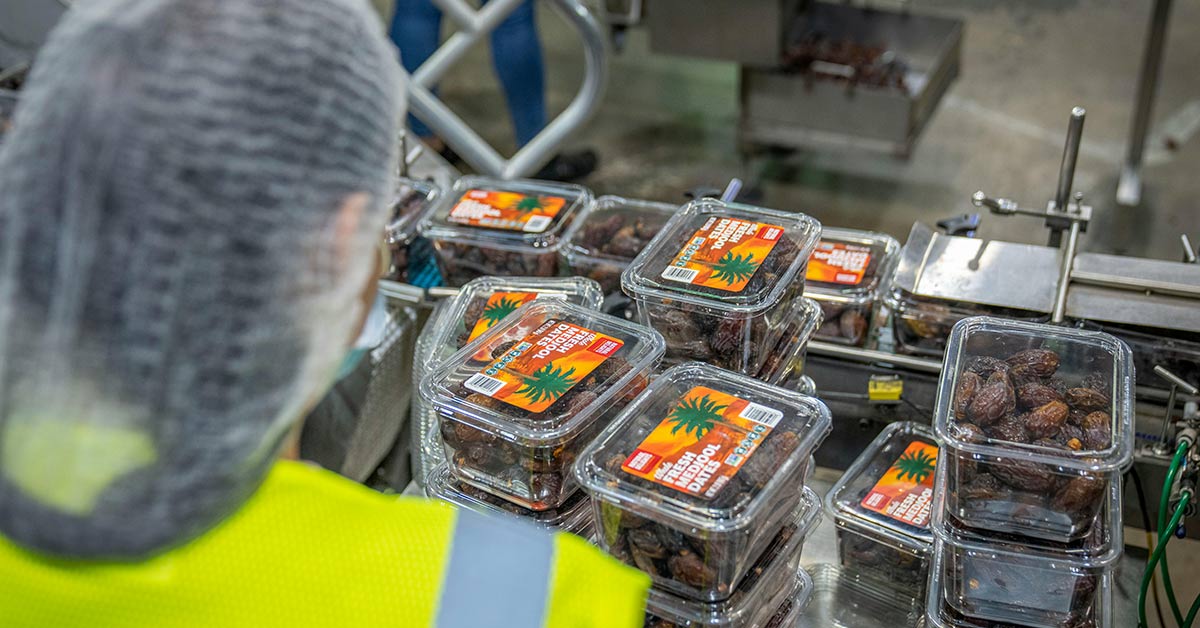
Today, Mars, Inc. – the privately-held, $55 billion conglomerate headquartered right outside of Washington, D.C. – emphasized its commitment to U.S.-made food with a $2 billion investment to grow its food manufacturing operations by the end of 2026. That includes a new $240 million facility for bar brand Nature’s Bakery in Salt Lake City, Utah.
But before the current administration takes credit for turning the tide on food investment overall, it makes sense to note that the U.S. food manufacturing sector was already growing, with $15.3 billion in investments spanning 154 new projects between 2023 and 2024, according to a new report from advisory firm Global Location Strategies (GLS).
Mars itself has already invested $6 billion in U.S. manufacturing over the last five years, according to the company. Mars believes the new Nature’s Bakery plant will create over 230 new jobs in the region and increase its capacity to produce the better-for-you, vegan snack bars to nearly one billion units per year.
“This investment is about building a stronger, more resilient business in the U.S. – one that can grow with our consumers, deliver for our partners, and create lasting economic impact in the communities where we operate,” said Claus Aagaard, CFO of Mars, Inc., in a press release. “The U.S. is our biggest and most important market, and a key engine of growth for the long term – not only through our legacy manufacturing footprint but also through the expansion of strategic acquisitions like Nature’s Bakery, which is already scaling quickly.”
Mars’ emphasis on owned, U.S.-based facilities mirrors the onshoring moves of many smaller and mid-sized food businesses in recent years as well, with many shifting their operational focus toward vertically-integrated manufacturing models. Others have met this need through other means, such as seeking out strategic investment partnerships that carry operational and logistical support.
Last week, early-stage Mexican food company Tia Lupita announced its acquisition by legacy conglomerate Vilore Foods, emphasizing that the company’s manufacturing muscle in the U.S. and Mexico will give the upstart a strategic advantage as it scales its business across North America.
According to the GLS report, food manufacturing projects in the U.S. are expected to generate nearly 23,000 new jobs; however, the announcement comes amid a contentious political climate, racked by on-and-off tariff-based trade wars and a depleting pool of manufacturing manpower as the administration’s immigration policies gut the sector’s largely immigrant-based workforce.
Earlier this week, Omaha, Neb.-based meat packing company Glenn Valley Foods told the New York Times it has lost approximately half of its manufacturing workforce, nearly 107 employees, in a recent ICE-led workforce raid. Now Glenn Valley is working to rebuild its staff, but with all its existing supervisors detained, training new employees comes with an added layer of complexity.
As the administration continues to lean into its hard-line immigration stance, targeting American workers with a goal of 3,000 arrests per day, the possibility remains that the well of manpower necessary to fill manufacturing and agricultural positions runs dry.
Explore the Nombase CPG Database
Head to Nombase to learn more about the tagged companies and their offerings.