MAHA Strategy Report Lacks Roadmap

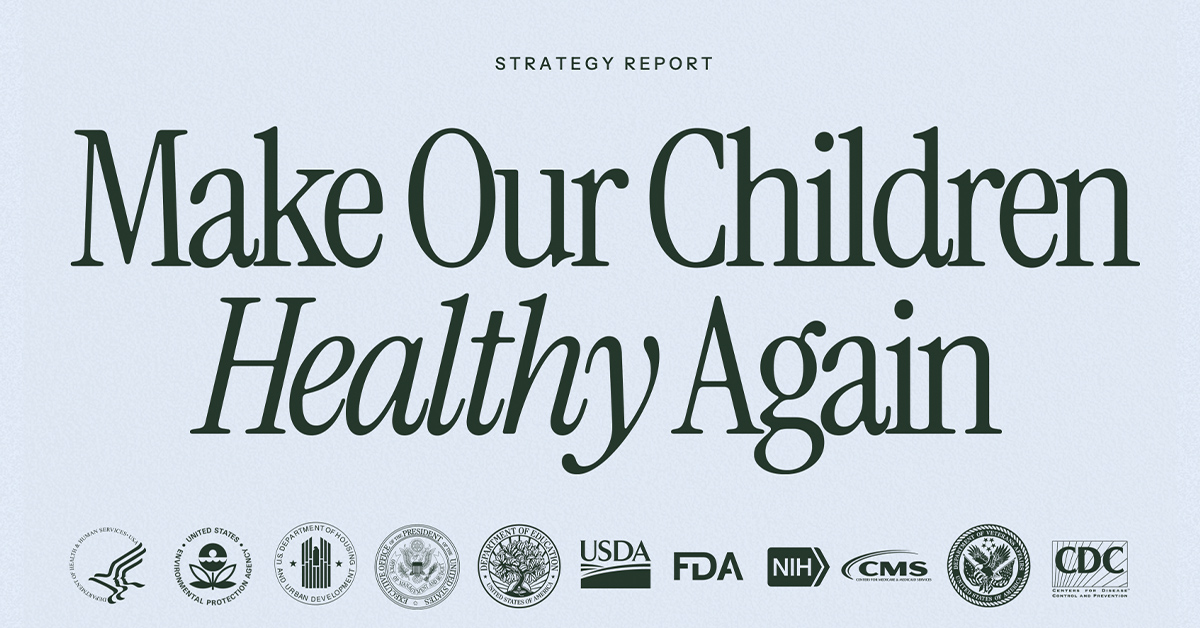
The Make America Healthy Again (MAHA) Commission released its much-anticipated Strategy report on Tuesday afternoon in a press conference during which Health and Human Services Secretary Robert F. Kennedy Jr. lauded the “historic and unprecedented” nature of the document that claims to be a roadmap for improving childhood nutrition and public health outcomes.
While that assessment may be correct – during no other time in history has the federal government rallied behind the idea of a robust improvement to nutrition by taking aim at large, well-funded and politically influential industries – the report itself brings very little clarity to what actually will be done to effect change.
Rewind: After the publication of the inaugural MAHA Report, the Trump Administration said a follow-up document would provide a framework for policymakers and industry to tackle the “root causes” of childhood chronic diseases that the commission identified. Of the food industry-related issues detailed in the first report, the focus primarily took aim at the prominence of ultraprocessed foods in American diets and the health impact of artificial food dyes.
But this second edition, which Kennedy repeatedly noted contains 128 recommendations, lacks actionable recommendations. The majority of the language in the 20-page document is forward looking and makes a short, vague statement about addressing the problem of that given section before moving on to the next.
For example, the only mention of ultraprocessed foods (which was called out 38 times in the first document) was this: “USDA, HHS, and FDA will continue efforts to develop a U.S. government-wide definition for “Ultra-processed Food” to support potential future research and policy activity.”
The document did highlight a desire to expand access to organic products by streamlining the certification process and reducing transitional costs for small farms, but did not further specify what would be done to make that a reality.
Other areas of focus included allowing full-fat milk sales in schools, introducing “flexibility in manufacturing requirements” for food producers, and removing “outdated” standards of identity that stifle innovation.
But regardless of whether Kennedy can turn his strategy into impactful policy, MAHA-driven consumer demands and a patchwork of state-by-state laws will continue to stoke the industry in some direction.
It’s uncertain where these directives will land, but there does seem to be consensus on why MAHA’s promises produced the report delivered yesterday afternoon. The New York Times eloquently summed that tension up this morning:
“In an age of polarization, the movement draws together all sorts of Americans — MAGA die-hards, libertarians worried about government mandates, liberal parents who don’t want their kids ingesting trash… At the same time, many MAHA claims defy science, push misinformation or simply do little to address the problems.”