MAHA Momentum: West Virginia Passes Sweeping Food Additive Ban

The Make America Healthy Again (MAHA) movement’s fight against food additives just notched its first big win. As we continue our deep dive into the spotlight on food production, assistant managing editor-Newsletters Adrianne DeLuca has ultraprocessed the latest legislative news into a few digestible insights.
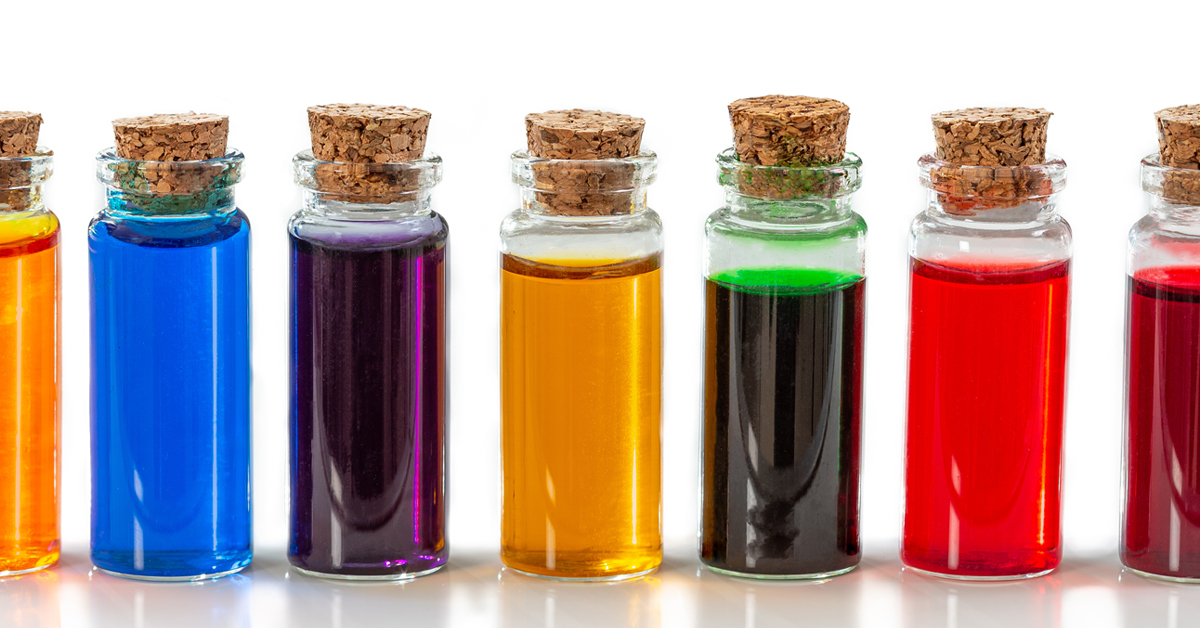
On Monday West Virginia became the first state (of likely many more) to ban the use of synthetic food additives, including seven artificial dyes and two preservatives: propylparaben and hydroxyanisole (BHA).
- Banned dyes include Blue No. 1, Blue No. 2, Green No. 3, Yellow No. 5, Yellow No. 6, Red No. 40 and Red No. 3. (the latter of which was also banned in California in 2023 and by the FDA in January).
The restriction will apply to all food sold statewide once it goes into effect in 2028. Much like MAHA’s stated mission at the federal level, and similar to actions taken in California last year, the ban will first hit school meals, beginning in August. State representative Adam Burkhammer (R-WV) – a.k.a. the guy that introduced the bill – hopes other states will follow suit.
There’s currently 20 other similar, active bills moving through statehouses across the country.
- We’ve discussed how MAHA’s aim for increased food industry oversight runs in contrast to the broadly deregulatory administration it operates under, but it is worth noting how state-level activity is coming into play here.
- Trump has long advocated more state-level autonomy, but while these measures might allow regulations to be implemented more quickly, it will likely result in bottlenecks as manufacturers navigate a complex and fragmented network of state-by-state requirements.
- (Who knows, maybe this could spark a shift back to local food systems? It’s possible over a long term, but not likely within the next four years).
Unlike California’s food additive restrictions – which are much narrower and targeted only four additives, and later, dyes in school meals – West Virginia’s law takes aim at virtually all dyes and swiftly passed both legislative houses with bipartisan support following its introduction last month. (Fact Focus: In the U.S., only nine synthetic coloring additives are permitted for use by the FDA).
What This Could Do: Well, Burkhammer hopes that it pushes food manufacturers to reformulate their products so they can continue to be sold in the Mountain State.
Though the fight against food additives began to gain momentum as the MAHA message grabbed mass media attention, it has been steadily gaining steam within the industry for years. Nosh readers know that the shift toward clean label, preservative- and additive-free foods has been playing out well before Robert F. Kennedy Jr. started on his ultraprocessed warpath.
Counter Context: MAHA proponents often point to the European Union’s regulation of food additives when discussing what needs to change in the U.S. That process is inherently stricter as it operates on a precautionary principle that allows regulators to take action even when conclusive scientific evidence does not exist, but that doesn’t mean it’s really wild over here in the Western Hemisphere.
Color additives and synthetic preservatives have never been permitted for approval through the inarguably more lenient self-affirmated Generally Recognized As Safe (GRAS) process. These inputs are regulated separately by the FDA and all, at one point in time, have been deemed GRAS via the agency’s formal review process.
Kennedy is already planning to review the efficacy of the self-affirmation pathway (we’ll have more on that later this week) and has met with execs from PepsiCo, General Mills and others about the “urgent priority” of eliminating synthetic dyes from the food system. But the idea that these inputs somehow took a back-door entrance to the industry does not paint the full picture.
What are you hearing about additives and inputs around the industry? Send all of the hot (ingredient) gossip to [email protected].