What’s Next After RFK Jr. Takes The Helm on Health?

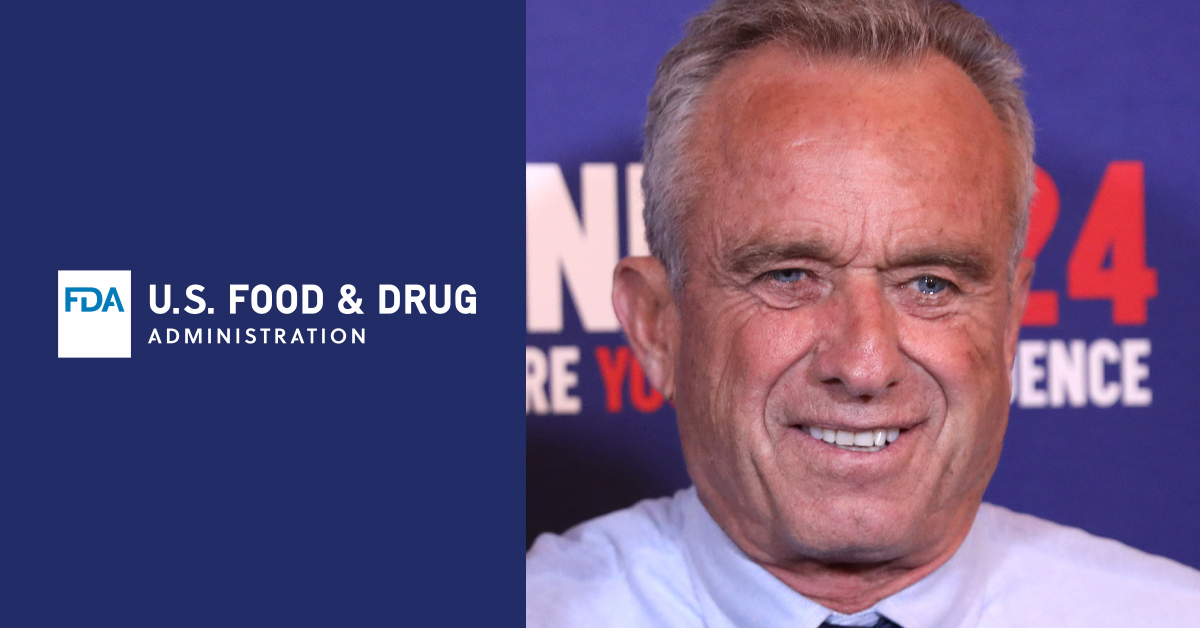
Food policy has undergone a major shift in recent years but as Robert F. Kennedy, Jr. takes charge as the country’s top medical official, things look more uncertain than ever.
Kennedy’s appointment as secretary of Health and Human Services (HHS) was confirmed on Thursday by the U.S. Senate in a slim vote (52 – 48), positioning him to potentially integrate many controversial (and disproven by readily available scientific evidence) views on food and the industry into government policy.
“Now that Kennedy has the power to shape national food and health policy, there’s a real risk that evidence-based solutions could be overshadowed by contentious and medically unsupported claims and hyper-partisan squabbling,” said Daily Harvest CEO and former PepsiCo executive Ricky Silver, in a statement.
While some of Kennedy’s ideas have pulled bipartisan appeal – like eliminating ultraprocessed foods and chemical additives from the food supply – these positions will put Kennedy in direct opposition with the interests of industry leaders and even that of the administration that selected him for the role in the first place.
“Some would say what he says on diet and [the] importance of healthy foods is reasonable,” Sen. Edward Markey (D – MA) said Thursday during the Senate Health Committee hearing with FDA officials. “However, one reasonable opinion does not qualify someone to run the United States Department of Health and Human Services.”
Ultra-Processed Policies?
Widespread public frustration with the food system dates back decades, as reflected through movements against carbs, fats, sugars and other ingredients that have been villainized at some point in time. Kennedy’s anti-seed oil position echoes some of those prior movements, as he attempts to place the majority of the blame on a single input while oversimplifying the more complex nature of ultra-processed foods and their impact on health.
Kennedy has advocated that ultra-processed foods – which currently accounts for about 70% of the U.S. food supply – are significantly contributing to the country’s chronic disease and obesity epidemic. Talk of reducing the presence of these products from the food system has garnered bipartisan support on state and federal levels, with Governor Gavin Newsom moving to ban ultra-processed foods earlier this year.
“For decades, movements for healthier food, organic agriculture and healthcare for all could largely be viewed through the lens of the traditional Democratic party platform,” said Silver. “But the party that has historically prided itself on representing the working class – which should certainly include standing up to big corporations that use cheap chemicals and ultraprocessing technology to produce nutrient-deficient food and that prioritize profit over truly healthier outcomes – is on the verge of losing the plot.”
These efforts, now operating under the guise of the Republican party platform, seemingly go against the powerful food and agriculture lobbies as well as the GOP’s traditional tendency to favor less government intervention in business. Food policy expert Marion Nestle has long voiced skepticism that Trump would be willing to back the reality of what Kennedy is calling for.
Food Additives In Focus
Kennedy is also expected to put additives such as food dyes, titanium dioxide, and BHA/BHT under a microscope. The industry should be prepared for more regulatory oversight and possible calls for reformulations or bans as Kennedy moves to realign food additive policies with international standards.
“We are ready to begin working with Secretary Kennedy to strengthen our nation’s complex and interconnected food and drug supply chain while reducing regulatory burdens to ensure that all Americans have access to safe, nutritious and affordable food,” said the Food Industry Association (FMI), in a statement.
Earlier this year, the FDA moved to ban Red Dye No. 3 after a multi-year effort and growing consumer skepticism around the input. It should be noted that while Kennedy is coming in to lead the department at a time when American trust in the safety of the food system is at an all time low, he is a figure that is meeting the moment but did not, by and large, lead this charge.
“Kennedy’s confirmation as HHS Secretary, despite his history of promoting scientifically disputed health claims, reflects the depth of public frustration with these systemic failures [of the food and pharma industries],” Silver said.
The Biden Administration hosted the first Health, Hunger and Nutrition summit in over 50 years and oversaw the introduction of long-awaited guidance on appropriate uses for the term “healthy.”
The U.S. Food and Drug Administration (FDA) itself underwent an overhaul during the last administration, sparked largely due to the infant formula crisis. Under direction from a comprehensive review of the agency’s function by the Reagan Udall Foundation in 2022, Jim Jones, was later appointed as the first FDA Commissioner focused solely on Human Foods.
In contrast, Kennedy has pledged to purge FDA staff to rid it from collusion with Big Pharma and Big Food, including entire departments like in-house nutritionists who, he told MSNBC last year, are “not doing their job.”
On The Topic Of Raw Milk
As an advocate for minimally-processed products, Kennedy’s stance on raw milk isn’t a total surprise. However, the CDC and USDA guidance on its consumption remains clear: drinking raw milk in any capacity poses extreme risk for human health due to the possible presence of deadly pathogens, even more so amid the current avian flu outbreak. Additionally, there is no scientific evidence that supports Kennedy’s claim that raw milk consumption benefits long-term health.
Currently, the sale of raw milk is permitted within select states such as California and Florida, but is not permitted for interstate commerce. Though there is little likelihood Kennedy’s appointment could largely change policies on raw milk consumption due to the fragmented and complex supply network, having these views purported by America’s top health official sets a tone that could lead to a spike in consumer interest and revisions within state laws.
“The federal regulatory agencies within HHS operate under a science and risk-based mandate and it is critical that framework remains under the new administration,” said the Consumer Brands Association in a statement. “As the largest domestic manufacturing employer, supporting more than 22 million American jobs, we stand ready to work with Secretary Kennedy and qualified experts within HHS to support public health, build consumer trust and promote consumer choice.”
Rewiring Agriculture
Kennedy has also advocated for the removal of toxic chemicals from the food supply chain, key attributes of regenerative and organic agricultural practices. However, with federal funding in flux at the moment, Kennedy’s interests in agriculture again appear in conflict with the stated objectives of the Trump Administration.
Since starting his second term as President, Trump has virtually dismantled Biden-era initiatives such as the Climate Smart Commodities program, a part of the Inflation Reduction Act, which has made investments over the past three years to support regenerative and organic farming transitions. Not to mention, Trump’s deregulatory actions throughout his first term broadened access and use of the chemicals that Kennedy is now fighting to remove.
Nonetheless, the fate of food policy, including the upcoming Dietary Guidelines as well as pending nutrition guidance and industry regulations on behalf of the U.S. Food and Drug Administration (FDA), rest in his hands.
Following Kennedy’s swearing in, the Trump Administration established the Make America Healthy Again commission which seeks to outline the causes and possible solutions for the chronic disease crisis in the U.S. during its first 100 days. But the White House directive points to more than just nutrition-related diseases, taking aim at Attention Deficit Disorder (ADD), Attention Deficit Hyperactivity Disorder (ADHD), mental illness, Autism, allergies, asthma, and autoimmune disease, among many others.
The food industry, agriculture space and medical field will all be watching throughout the next four years as Kennedy leaves his mark as America’s top health official. If his contentious confirmation hearings were any indication of what’s to come, it is going to be a tough term with ever-changing opinions guiding consequential policy decisions.
“[Kennedy] further reinforced our collective concerns as his responses provided no reassurance that he would listen to experts about established scientific principles, that he understands the basic and critical operations of the department he would be leading, and that he would defend the agencies’ capabilities and capacity to provide healthcare and conduct biomedical research against ongoing threats,” said Doctors For America, in a statement.
“Now that he has been confirmed, we implore Mr. Kennedy to leverage the expertise at his disposal, prioritize the voices and perspectives of scientific experts and medical professionals, and rely on peer reviewed scientific data to guide his decisions,” the statement concluded.