Inside Kraft Heinz’s Plan to ‘Play Offense With Discipline’

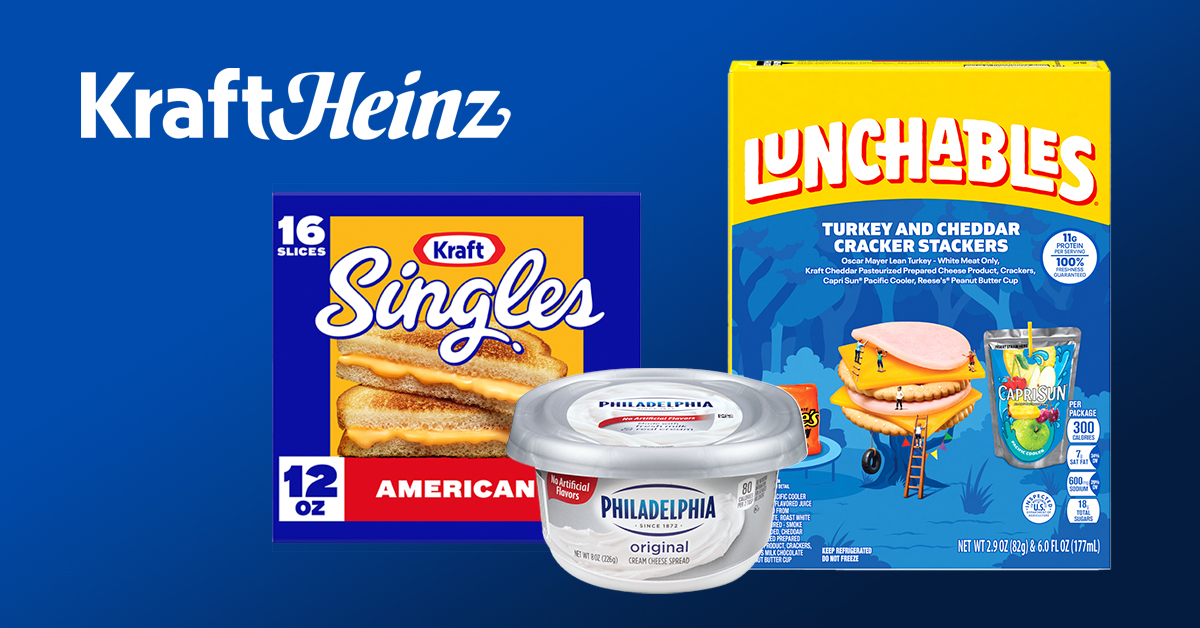
Multinational food giant Kraft Heinz has downgraded its full-year sales outlook, citing “uncertain times” characterized by softer consumer demand in North America and looming tariffs, according to its Q1 2025 earnings report released today.
During a call with analysts this morning, the Lunchables and Philadelphia Cream Cheese maker said it is choosing to “play offense with discipline,” prioritizing investments in marketing, R&D and technology to capture a greater share of price-conscious consumers’ wallets.
“We are committed to controlling the controllables and making the necessary investments to deliver quality, taste and value to our consumers through our beloved brands,” said Carlos Abrams-Rivera, CEO, in a prepared statement.
He continued, “I believe in our strong balance sheet, scale and proven ability to generate efficiencies will help us navigate today’s challenges. We’re closely monitoring the potential impacts from macroeconomic pressures such as tariffs and inflation.”
In the quarter ending March 29, Kraft Heinz saw net sales drop 6.4% year-over-year to $6 billion, including negative impacts from foreign currency and divestitures. In North America, the companyf’s largest sales division, sales slid 7% to $4.5 billion.
Overall volume/mix declined 5.6 percentage points, fueled by a shift in the timing of Easter and a decline in Lunchables. Gross profit margin fell 60 basis points to 34.4%, while adjusted gross profit margin decreased 10 basis points.
Despite Kraft Heinz’s confidence in its ability to “drive consistent growth and profitability,” the company expects pressures on gross margin to continue in Q2. There are several items impacting the margin: an increase in promotional activity surrounding summer shipments, increases in certain commodities and upcoming product renovations.
Additionally, Kraft Heinz will work to increase returns of its marketing dollars by shifting toward more consumer-facing marketing, optimizing the location and media types across its brands. The move is part of the company’s “brand growth system,” a repeatable model centered around products and packaging that “have the right resonance and value equation.”
In fiscal 2025, the brand growth system will cover up to 40% of the company’s product sales, a 10% increase from the 2024 pilot. Kraft Heinz has prioritized resources across four brands experiencing the most significant top-line pressure: Lunchables, Capri Sun, Kraft Mac & Cheese and Kraft Mayonnaise.
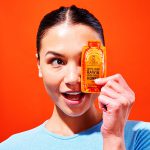
This fall, Lunchables will launch its largest fall season campaign to date. The brand recently launched Spicy Nachos, which has already delivered 30% incremental growth to the category, per the earnings report. Meanwhile, Capri Sun is expanding accessibility by entering new channels.
“We are seeing a lot of great things in terms of building blocks not yet reflected in the data, but those are things you’ll see as we continue to progress throughout the year. I’m also very encouraged by some of the big innovations we have done to drive growth,” said Abrams-Rivera.
The CEO claims the company is doing “everything [it] possibly can” to minimize the amount of necessary pricing actions, eyeing reformulations while stepping up productivity. In Q1, price increased 0.9 percentage points versus 2024.
Kraft Heinz is the latest company to lower its full-year forecast on weakened consumer demand and economic uncertainty, following in the footsteps of food and beverage giants like General Mills, PepsiCo and Conagra Brands.
Looking ahead, the company expects FY 2025 net sales to be down 1.5% to 3.5% (previously flat to down 2.5%), with sequential improvement in organic net sales throughout each quarter. Additionally, Kraft Heinz is forecasting adjusted EPS in the range of $2.51 to $2.67 (previously $2.63 to $2.74).
“There are a lot of things being discussed and under consideration that might have implications on the business, positive or negative,” said Abrams-Rivera. “We’re trying to provide flexibility, knowing a number of things are still volatile while making sure we [can] invest back in the business to drive the trade.”