Daily Briefing (Insider Only): Why Oat Haus Changed Its Recipe

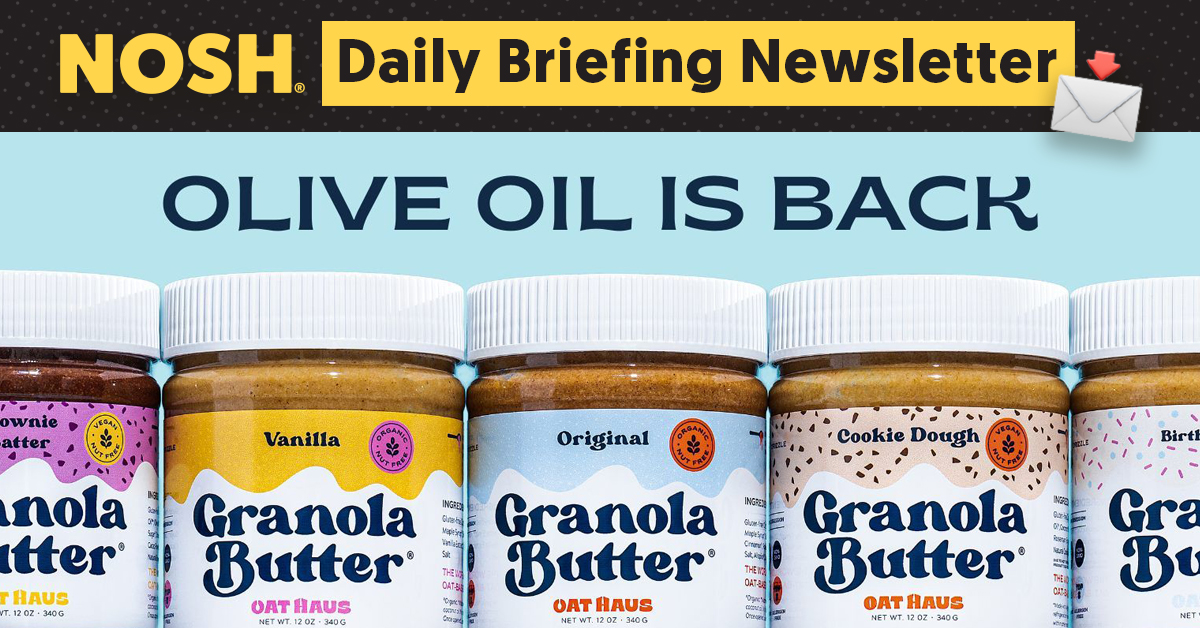
Just about every packaged food maker has faced rising costs in recent years as supply chain challenges and volatile ingredient markets persist. Oat Haus is no different but has navigated those hurdles with business interests and customer demands weighing on either side of the scale.
About a year ago, the granola butter brand switched from using olive oil to the more affordable sunflower oil. With olive oil prices skyrocketing, the company shared on its website at the time, “we had to make the difficult decision to pivot because if we continued to use olive oil in our product, we would either go out of business or need to essentially double our prices.”
Fans weren’t buying it.
- One-star reviews of the brand on Amazon.com read: “They went the cheap route and compromised literally all their standards” and “I am SO disappointed that they switched to sunflower oil instead of their usual olive oil… Will not be [buying] again, such a bummer.”
As the movement against seed oils intensifies, some brands face a tough choice: go with what makes their business work or what their customers want. The decision, however, is not always simple or feasible, and these options aren’t necessarily mutually exclusive.
According to founder Ali Bonar, the brand heard its customers’ complaints about the switch “loud and clear” and worked to retool other operations within the business in order to bring olive oil back to the Haus.
After her team managed to lower costs by automating operations, coupled with a slight drop in ingredient prices, the company determined it could bring olive oil back into its recipes. Jars sold on its website are now made with olive oil, and the new formula will roll out to retail in the coming months with no change to the price tag, she added.
The announcement was met with scores of positive responses on social media, including a number of followers pledging to buy or try the product again.
In a TikTok video detailing the saga, Bonar summed up a battle many brand operators face: “One of the hard things I’ve learned as a business owner is to differentiate what is the loud minority and what is something that most customers actually want.”