The Year in GLP-1s: Innovating in the ‘Ozempic Era’

With the “Ozempic Era” in full swing, an increasing number of U.S. consumers are using appetite-suppressing GLP-1 drugs and, overall, eating less, particularly sweets, sugary drinks, carbs, and dairy products. But is this paradigm shift temporary, or does it signal a lasting impact for the packaged food industry? And how are manufacturers and retailers responding to the trend?
The Ozempic-Era Opportunities
Close to 3% to 5% of the general population have used semaglutide injections like Ozempic, Wegovy, Mounjaro and Zepbound for weight management over the past year, according to a Brightfield Group report. But a far greater number – about half of Americans – are actively seeking to shed pounds, leading to outsized opportunities for product developers and marketers. And social chatter surrounding terms like “Ozempic,” “Wegovy” and “semaglutide injections” have surged, per Brightfield, indicating interest in such interventions span well beyond the number of active users.
Food and beverage development firm Mattson shared findings this past May from a study of over 100 current and past anti-obesity medicine users. Ninety-two percent of respondents said they were regularly eating less, with 61% eating fewer meals and 51% consuming fewer snacks. Additionally, survey participants said they bought more whole and organic foods, more ingredients for cooking at home and grocery shopped less frequently.
According to Mattson’s findings, GLP-1 drug users are seeking smaller portion sizes, hydrating properties, greater protein content, and anything to help with nausea or gastrointestinal discomfort associated with the drugs. Traditional diet foods of the past have been deemed “irrelevant” to this consumer, Mattson found, and new products are needed.
Using artificial intelligence, Mattson generated 22 food and beverage concepts to test which ones resonated best with AOM users. Broadly speaking, simple and versatile products – like mini meal cups, grilled chicken strips and yogurt pouches – were favored the most by respondents.
“What we have seen throughout all of this work is that these drugs have fundamentally changed the way people interact with food when they are on them. There’s an opportunity to be building products that are better designed for people who are on the medication,” said Jennifer Pagano, Mattson senior insight manager.
Makers in ‘Vital Pursuit’ of Market Share
The year kicked off with meal delivery company Daily Harvest’s rollout of a GLP-1 Companion Food Collection – created to support consumers’ weight management when on medications like Ozempic and Wegovy. The pre-portioned, calorie-conscious meals – ranging from Mushroom + Miso Soup, Gigante Bean + Savoy Cabbage Harvest Bowl and Tomato Basil + Portobello Bolognese Pasta – are high in fiber and low in saturated fat with no added sugars.
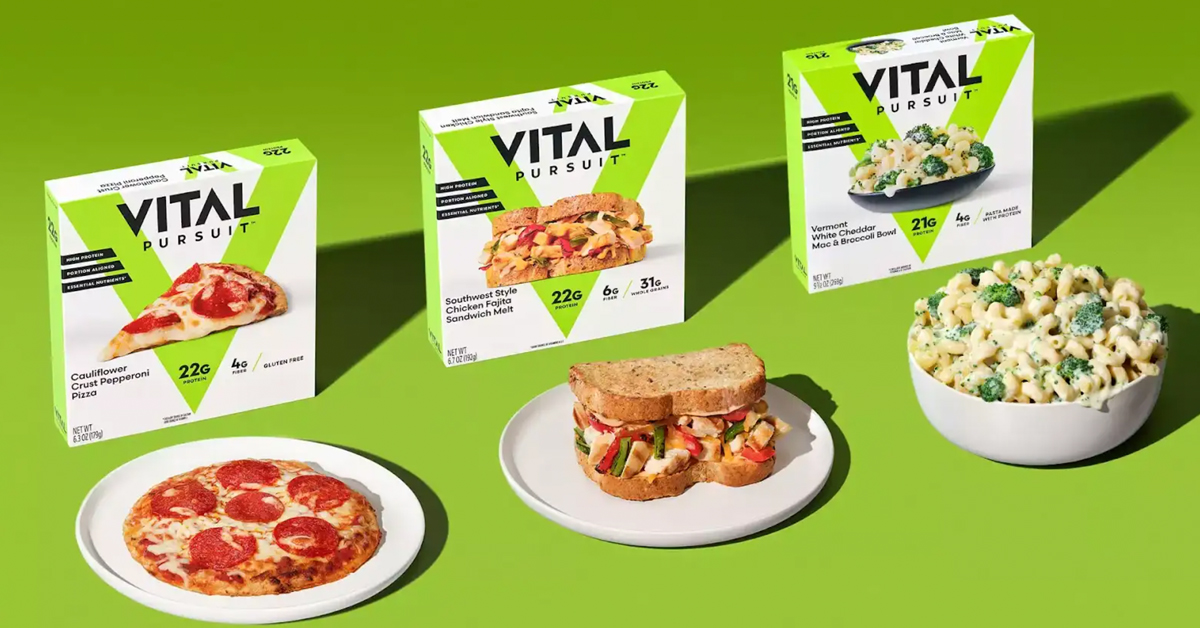
Mid-year, Swiss conglomerate Nestlé announced the forthcoming launch of Vital Pursuit, a line of frozen meals specifically tailored to consumers using GLP-1 drugs as well as those focused on weight management. Meals range from pasta and grain bowls to sandwich melts and pizzas; all varieties are portion-controlled and high in protein and fiber.
“As the use of medications to support weight loss continues to rise, we see an opportunity to serve those consumers,” said Nestlé North America CEO Steve Presley in a statement. “We’re leveraging our deep understanding of consumers and nutritional science to stay ahead of the trends that are shaping consumer behaviors, and innovating across our portfolio to deliver products people will love.”
September marked Simply Good Foods’ debut of Atkins Strong, a line of high-protein shakes designed specifically for GLP-1 drug users.
Retailers Bulk Up GLP-1 Related Offerings
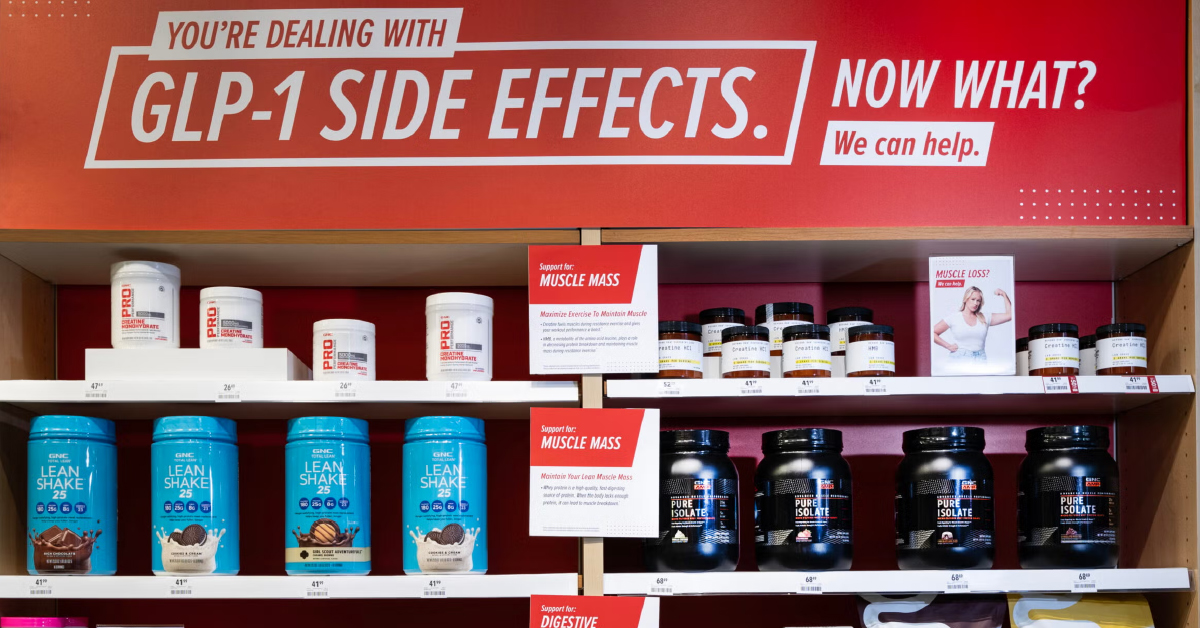
Supplement chains such as GNC and Vitamin Shoppe have added in-store displays dedicated to GLP-1 related products, including offerings aimed at helping users of the medication manage common side effects and nutritional deficiencies.
Supergut, which makes prebiotic fiber-rich meal replacement shakes, snack bars and powdered supplements, is one such brand that landed in GNC’s new GLP-1 nutritional support section available in all 2,330 stores.
Founder and CEO Marc Washington has stated Supergut fills a need during “the Ozempic Era” for more high-fiber, low-sugar options that can be taken in conjunction with or in replacement of GLP-1 drugs.
“We’re seeing unprecedented demand from consumers and forward-thinking retailers wanting to get ahead of the historic shift we’re experiencing across food, health and nutrition,” said Washington in a statement. “Our goal is to empower anybody with any body to take control of their health.”
GLP-1 ‘Friendly’ Badges Debut
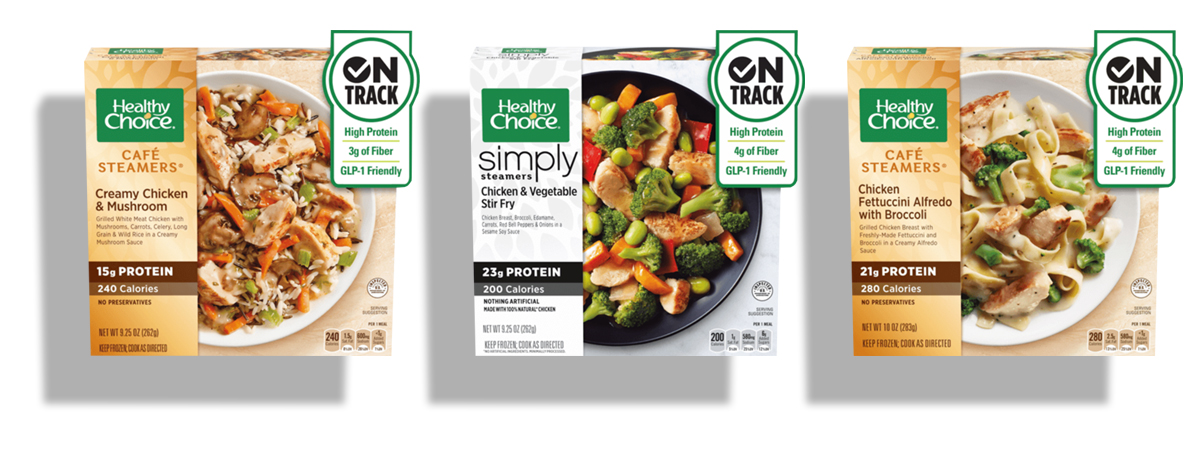
In December, Conagra Brands announced it will introduce a new badge on select Healthy Choice products to help consumers choose GLP-1-friendly options.
Starting next month, Healthy Choice will feature an “On Track” badge on 26 products, indicating that they are high in protein, low in calories and a good source of fiber. According to the company, Healthy Choice is the first brand to call out “GLP-1 friendly” on-pack. The badge will initially appear on Healthy Choice Café Steamers and Simply Steamers meals due to their smaller portions and affordability.
“The increased use of GLP-1 medications presents an exciting opportunity to support Americans managing diabetes and weight loss, as well as those seeking to lead a healthier lifestyle,” said Bob Nolan, Vice President, Demand Science at Conagra Brands, in a press release. “Our ‘On Track’ badge reflects our commitment to providing accessible, healthy meal options tailored to their needs.”