How Protein Pints Plans to Remain the Leader in Protein Ice Cream

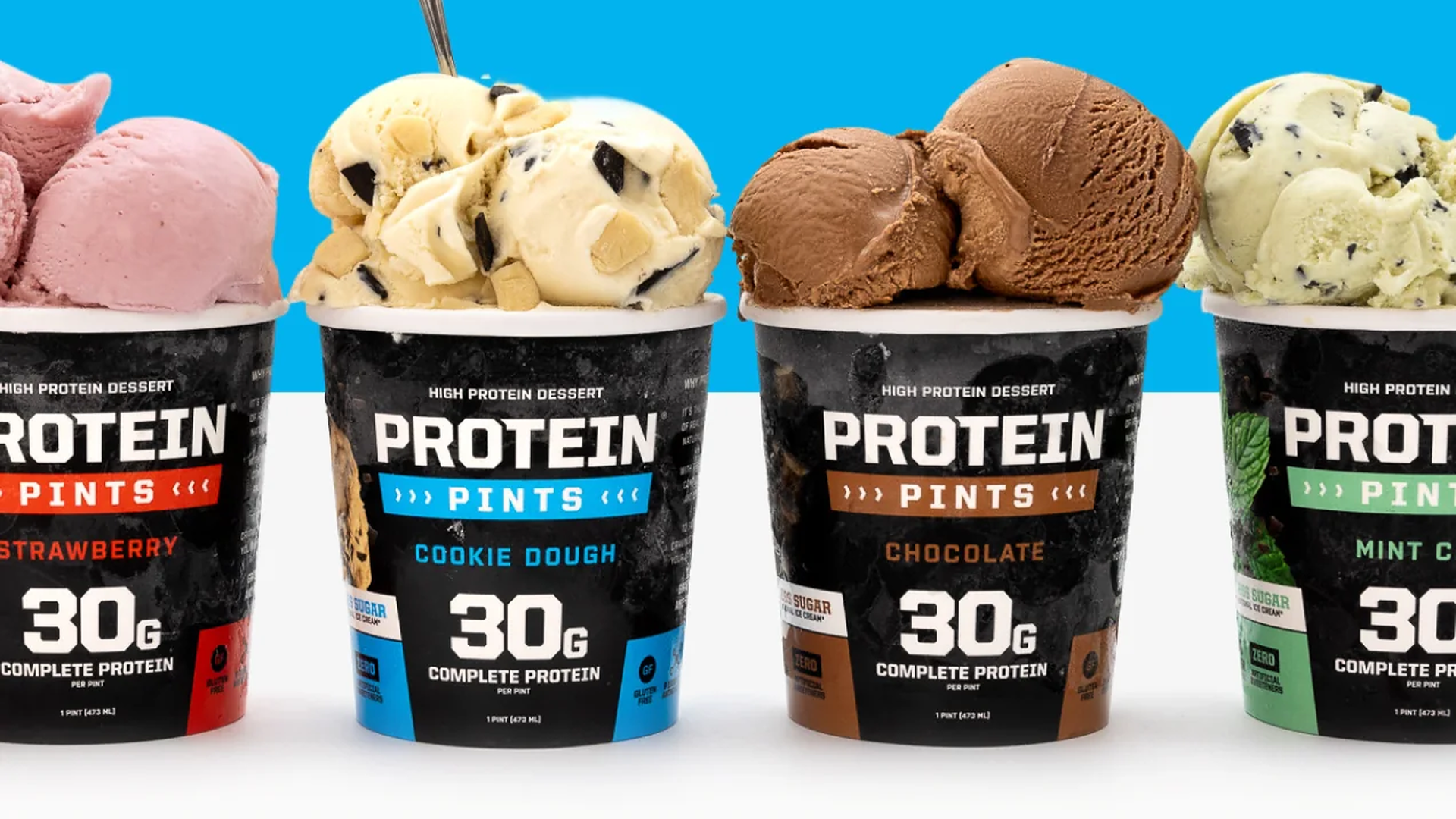
When it comes to gains, whether in the gym or on the bottom line, Protein Pints founders Paul Reiss and Michael Meadows know quite well that it’s all about putting in the reps.
The Michigan-based founders and childhood best friends launched Protein Pints in 2022, dropping out of Michigan State University at age 21 to focus on the business full time. Since then, Protein Pints has grown from a meager 10 store test run in Meijer in 2024 to reporting over $10 million in annual revenue and expanding to more than 15,000 locations nationwide, including Target, Albertsons and Kroger.
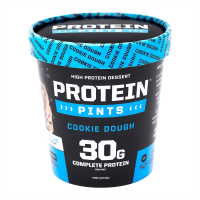
The brand’s offerings include seven flavors of pints, each containing 30 grams of protein per container (10g per serving), as well as Protein Pops desserts made with 10 grams of protein and 4 grams of sugar in each pop.
The company now touts 15 full time employees, with experienced CPG executives Sandy Blumberg as CMO and AJ Mergele as chief sales officer. Reiss and Meadows were named to this year’s Forbes 30 Under 30 list.
Reiss, who serves as CEO, told Nosh this week that he attributes the brand’s early success to simply “having the right product at the right time.”
While better-for-you ice cream and frozen desserts have become a mainstay of the freezer aisle thanks to the path paved by low calorie brands such as Halo Top and Nick’s, Protein Pints was able to quickly carve out its niche as an early to market protein-specific brand at a time when protein demand has been surging.
“There were other ice creams that had some protein, but we were really the first to brand it as a protein product, so right off the bat people understand – within a fraction of a second – that this is a protein product,” Reiss said. “And then not only that, but the product tastes really, really dang good.”
The category for protein-added frozen desserts has been growing steadily since 2022. It’s heated up over the summer, with David Protein adding its own line to join other competitors such as Frozen One.
But Protein Pints is staying focused on leading the segment, Reiss said, including an expansion this fall into Costco locations in Texas. Reiss said the Costco launch is significant as ice cream pints have “traditionally underperformed” in the club channel, and the brand is putting its support behind a 3-pack format retailing for $13.99 in hopes it can crack the club space and unlock a national Costco rollout.
“We’re just a few weeks in and we’re seeing a very, very positive response from that region in Texas at Costco,” he said. “So it’s super exciting for us, and would unlock a massive opportunity.”
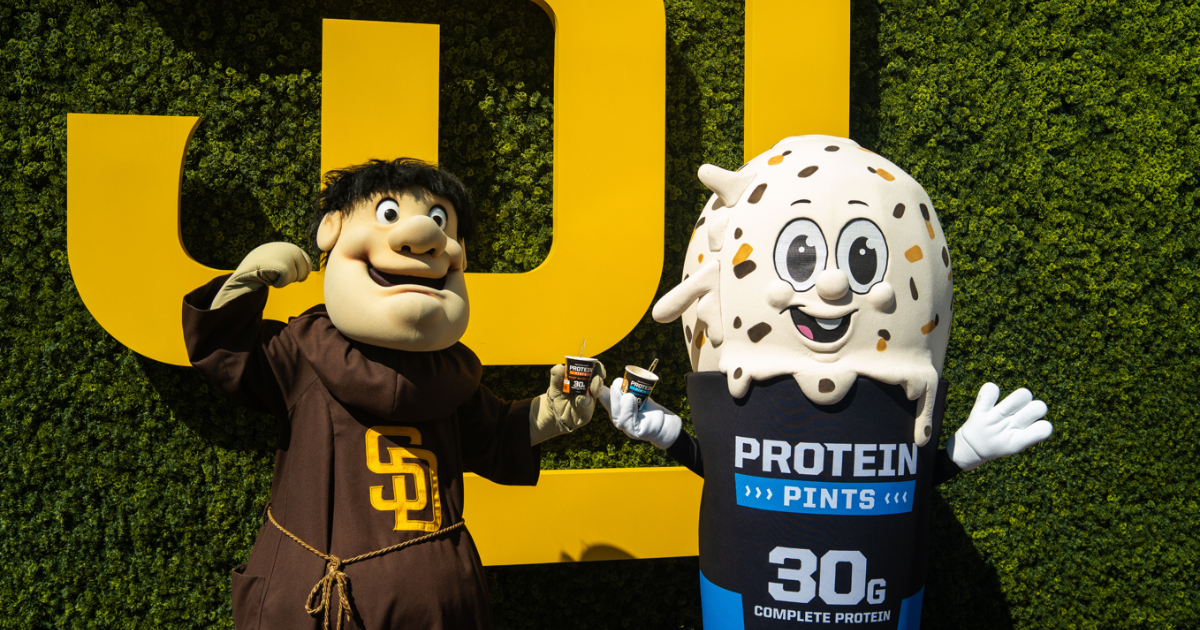
Self-Funding to VC
To get Protein Pints off the ground, Reiss and Meadows first started a power washing and deck-staining business while still in school, named Michigan Dexperts. The home improvement operation generated $100,000 in revenue and about $10,000 in profit that they reinvested into starting Protein Pints.
The founders then entered “every single student pitch competition I could find in the nation” at MSU, Reiss said, ultimately netting $250,000 in non-dilutive prize funding that helped set up the foundation of Protein Pints.
After growing so rapidly – from 10 stores to the current 15,000 Reiss says the brand has begun seeking outside venture capital to maintain its growth rate. The brand has now raised “several million dollars” in a funding round that Reiss said included some venture capital firms but was primarily from friends and family.
Filings with the U.S. Securities and Exchange Commissions (SEC) show Protein Pints raised $1.9 million last year, with a goal of $3 million. In February, the brand filed a report announcing it raised an additional $773,795 in financing.
Moving forward, Reiss said the goal for Protein Pints is to “continue to be the market leaders in high protein desserts,” noting that the rise of GLP-1s and the general push for protein has led to an influx of competition.
To stay competitive, Protein Pints plans to focus heavily on innovation with new flavors and formats on the horizon, including more products like the Protein Pops that grow the business beyond the Pints format.
“We know that there’s been 20-to-30-plus new protein ice cream brands popping up and trying to get a piece of the market, which has its pros and cons,” he said. “It shows that there’s a huge market for this, which is really good for us. That being said, there’s also a lot of cannibalization, where these new brands are trying to take our market share. So, we need to compete with that by continuing to be the leaders in innovation.”
Explore the Nombase CPG Database
Head to Nombase to learn more about the tagged companies and their offerings.