
Labeling
Featured Labeling Content
A Year In Food Industry Upheaval: Trump, Tariffs and Titanium Dioxide
This year will go down in the history books as one marked by an unprecedented federal focus on the food industry, sparking strategic overhauls of, and a bit of panic within, Big Food operations; a flurry of state-level action against a plethora of synthetic ingredients; and the adoption of some new acronyms – UPFs and MAHA, just to name a few.
What The New Non-UPF Verified Standard Means for Brands
The Food Integrity Collective (FIC) officially released its version one standard for the new Non-UPF Verified program today, allowing the industry to understand what guardrails may steer the future of the food system and how brands can comply.
Nestle, Conagra Join Dye Phase-Out Amid State Pressure
Nestle and Conagra have joined Kraft Heinz and General Mills in pledging to remove the use of synthetic food dyes from their formulations amid growing pressure from the federal government and accelerated traction at the state level.
Additional Content
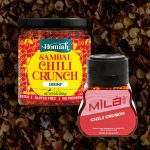
Momofuku Fires Up Trademark Battle Over Chili Crunch
David Chang’s Momofuku brand is targeting food brands like Homiah and MìLà with cease-and-desist letters claiming trademark infringement over “chili crunch” products.
SNAC Time: Industry Association Discusses 2024 Priorities, Expectations
SNAC International discussed its approach to the FDA’s 2024 regulatory agenda pertaining to sodium reduction, food labeling and processed foods and also made predictions on how flavor and function might play into bringing new consumers to the category.
Regulatory Roll Call: Stronger Organic Standards, Farm Bill Updates, And How To Disclose Non-GMO Foods
As we look into the Nosh crystal ball and attempt to make sense of what to expect in 2024, we called up a few regulatory experts to run through what they are watching this year.
Industry Responds to FDA Ingredient Guidance
The FDA on Friday released temporary guidance to allow food manufacturers to change ingredients without updating product labels, a move aimed at preventing supply chain disruptions during the COVID-19 pandemic. In response, company and industry leaders are speaking up to promote consumer safety.
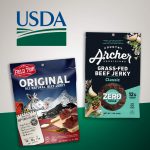
USDA Expands Guidelines for ‘Healthy’ Products
The USDA last week expanded its guidelines for products that can use the label claim “healthy.” The update could be a boon for meat snack brands looking to boost their products’ health claims — but while those brands welcome it, they don’t see the designation as a game-changer.
A Breakdown of the USDA’s GMO Labeling Proposal
Don’t worry; the NOSH team read the more than 100-page document so you don’t have to. Here are the main takeaways.
Why CPG Leaders Want to Standardize ‘Use By’ Labels
The Consumer Goods Forum announced last month that it’s looking to trash current expiration date labels to help reduce food waste not only within the U.S. but around the world.
FDA Extends Nutrition Label Compliance Deadline to 2020
Under the Obama administration, brands had until July 26, 2018, to adjust all packaging. With the new extension, manufacturers with $10 million or more in annual food sales will now have until Jan. 1, 2020; manufacturers with less than $10 million in annual food sales have until Jan. 1, 2021.
Food Dye Bill Approved For Research, Not Labeling
A California bill addressing the potential dangers of synthetic food dyes on children has passed, but with a major amendment.
Hershey Co. Sweet on ‘Smart Snacking’ and Transparency
Emphasizing environmental and nutritional transparency for the labels and ingredients in both its chocolate and snacking lineups, the confectionary giant announced a sweeping set of changes from sourcing to packaging that the company hopes will give consumers more choices.