
Labeling
Featured Labeling Content

Non-Ultraprocessed Labeling Gains Ground, But Scientific and Regulatory Questions Remain
California became the first state to establish government-backed certification for foods labeled as non-ultraprocessed, but the move is raising new questions for manufacturers navigating differing definitions.

California’s ‘Non-Ultraprocessed’ Label Gets the Greenlight
California is creating a state-backed certification and on-pack seal for foods that qualify as non-ultraprocessed under legislation signed by Gov. Gavin Newsom this week.
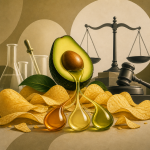
Avocado Oil Claims Add Legal Risk to Snack Brands’ Seed Oil Shift
Potato chips makers are under fire, with allegations of false marketing and deceptive business practices over label claims about avocado oil.
Additional Content
Regulatory Roll Call: Stronger Organic Standards, Farm Bill Updates, And How To Disclose Non-GMO Foods
As we look into the Nosh crystal ball and attempt to make sense of what to expect in 2024, we called up a few regulatory experts to run through what they are watching this year.
Industry Responds to FDA Ingredient Guidance
The FDA on Friday released temporary guidance to allow food manufacturers to change ingredients without updating product labels, a move aimed at preventing supply chain disruptions during the COVID-19 pandemic. In response, company and industry leaders are speaking up to promote consumer safety.
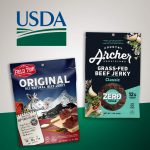
USDA Expands Guidelines for ‘Healthy’ Products
The USDA last week expanded its guidelines for products that can use the label claim “healthy.” The update could be a boon for meat snack brands looking to boost their products’ health claims — but while those brands welcome it, they don’t see the designation as a game-changer.
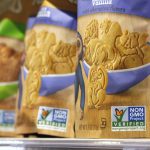
A Breakdown of the USDA’s GMO Labeling Proposal
Don’t worry; the NOSH team read the more than 100-page document so you don’t have to. Here are the main takeaways.
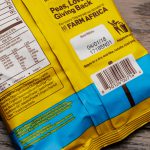
Why CPG Leaders Want to Standardize ‘Use By’ Labels
The Consumer Goods Forum announced last month that it’s looking to trash current expiration date labels to help reduce food waste not only within the U.S. but around the world.
FDA Extends Nutrition Label Compliance Deadline to 2020
Under the Obama administration, brands had until July 26, 2018, to adjust all packaging. With the new extension, manufacturers with $10 million or more in annual food sales will now have until Jan. 1, 2020; manufacturers with less than $10 million in annual food sales have until Jan. 1, 2021.

Food Dye Bill Approved For Research, Not Labeling
A California bill addressing the potential dangers of synthetic food dyes on children has passed, but with a major amendment.
Hershey Co. Sweet on ‘Smart Snacking’ and Transparency
Emphasizing environmental and nutritional transparency for the labels and ingredients in both its chocolate and snacking lineups, the confectionary giant announced a sweeping set of changes from sourcing to packaging that the company hopes will give consumers more choices.
OTA Looks To Equivalency Arrangements To Aid U.S. Organic Growth
The Organic Trade Association (OTA) is looking to equivalency trade arrangements as a way to increase more organic options on shelves. During a Natural Products Expo West event last week in Anaheim, Calif. Monique Marez, the OTA’s director of international trade, said it is just a question of standards.
Grocery Industry Launches New Initiative to Reduce Consumer Confusion on Product Date Labels
The new voluntary initiative streamlines the myriad date labels on consumer products packaging down to just two standard phrases. “BEST If Used By” describes product quality, where the product may not taste or perform as expected but is safe to use or consume. “USE By” applies to the few products that are highly perishable and/or have a food safety concern over time; these products should be consumed by the date listed on the package – and disposed of after that date.