Swole Scoops: How Protein Ice Creams Are Redefining BFY Dessert

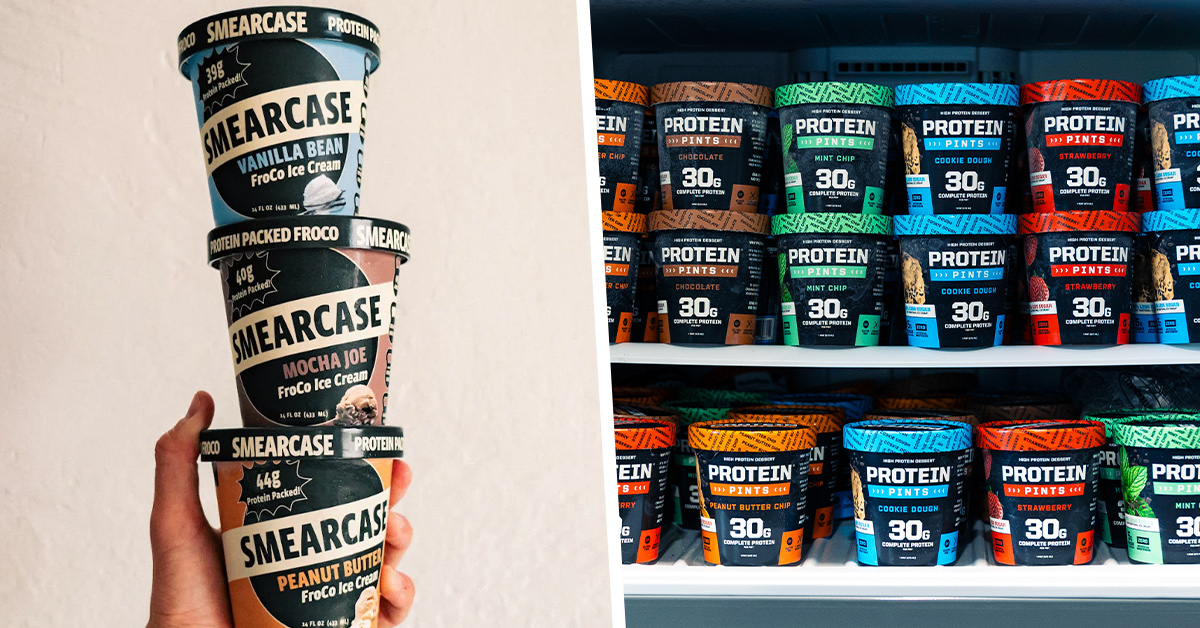
High-protein callouts are on everything from popcorn to soda, but a new generation of ice cream brands is taking lessons from the first wave of better-for-you options to find a footing among the sea of pint-sized frozen treats.
Between 2016 and 2017, Halo Top became one of the most popular retail ice cream brands on the back of its low-calorie content and differentiation from traditional diet options.
The high-water mark for Halo Top faded since its peak, but it is still one of the fastest-growing brands tracked by Circana sales data. While dollar sales in the ice cream category were down 0.4%, the Wells Enterprises-owned brand increased sales 10.3% to $146 million in the 52-week period ending June 15.
Whether it’s a second wave of better-for-you brands entering the frozen dessert set or a carry-over from the protein-in-everything trend, this new crop of ice cream is prioritizing macros and ingredients to tap into consumer cohorts who are looking beyond calorie counts.
From Better-For-You to Good-For-You
Wave one was categorized by healthier ice cream options; “those products weren’t good for you,” said Protein Pints co-founder and CEO Paul Reiss. “We want to be the pioneer of the good-for-you movement. That means not only removing the bad, like the high calories and the sugar, but we’re adding in a functional benefit that people can feel good about eating.”
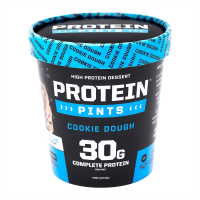
Michigan-based Protein Pints launched in 2022 and made its retail debut last year with a test run in one Meijer location. The partnership expanded to 14 stores regionally in Michigan during the back half of 2024. Since January, the brand has lined up partnerships with Target (through its accelerator program), Kroger, Fresh Thyme, Albertsons, Sprouts and others to bring its footprint to over 8,000 doors.
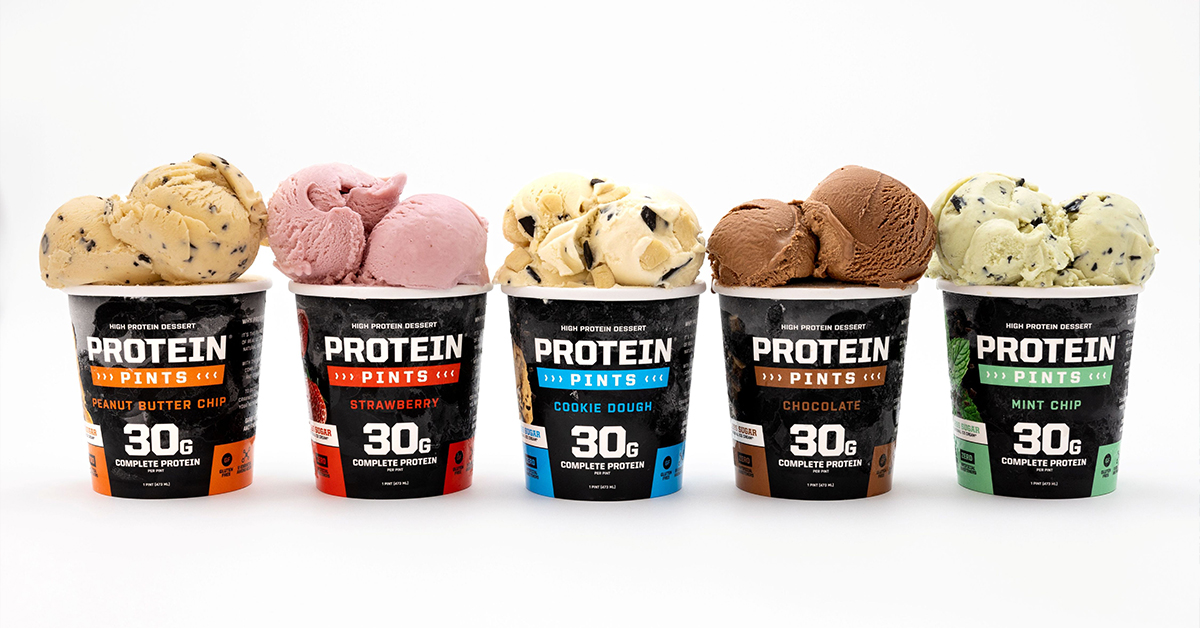
“This is a protein ice cream. There is no confusion,” said CMO Sandy Blumberg. “Having protein, front and center, especially in the ice cream aisle where you are not used to seeing it, is a disruption point.”
A successful pitch to retail buyers has centered on being a value-add to the ice cream set and bringing consumers back to a category that is considered “junk food.”
But people won’t just pick up something because it’s healthier; ice cream especially has to offer other value propositions, and “taste is still king,” said Scott Dicker, senior director of Market Insights at SPINS.
“This is a category where people look for indulgence, and sometimes, when you see the innovation happening, it doesn’t look the same,” he said. “People are looking for that extra reason to be indulgent, whether it’s cleaner label, organic or Regenerative Organic Certification. These things play a role.”
Ingredients Matter
A common thread with many of the high-protein ice creams has been focusing on ingredients and formulation by removing emulsifiers and gums that consumers are less interested in. Brands like Alec’s or newcomer Ice Cream For Bears have seen utility in leaning into organic, regenerative and clean-label ingredients.
In indulgent categories, protein doesn’t necessarily have to be the better-for-you, functional ingredient, Dicker said. “What we saw in soda was prebiotics turned into the messaging winner there. People left the soda category, and then some brands added a couple grams of fiber and now it’s positioned as healthy.”
Other frozen dessert subcategories are also experiencing the gains of an echo boom coming out of the one-two punch in dietary trends: probiotics and protein.
TruJoy Yogurt is using the nutritional benefits of probiotics and protein in Greek yogurt to expand the frozen yogurt set. Alec’s new Culture Cup innovation has taken a similar approach in marketing its handheld frozen treats around gut health, A2 milk and regeneratively grown ingredients.
High-protein ice cream and frozen novelties (15 grams of protein or higher) dollar sales were down slightly (0.02%) in 2025 versus the year-ago period, according to SPINS tracking. Organic-labeled brand sales were up 1.6% year-over-year.
While the numbers show a slight decline, Dicker emphasized that high-protein is a winning value proposition as long as taste and price remain a focus.
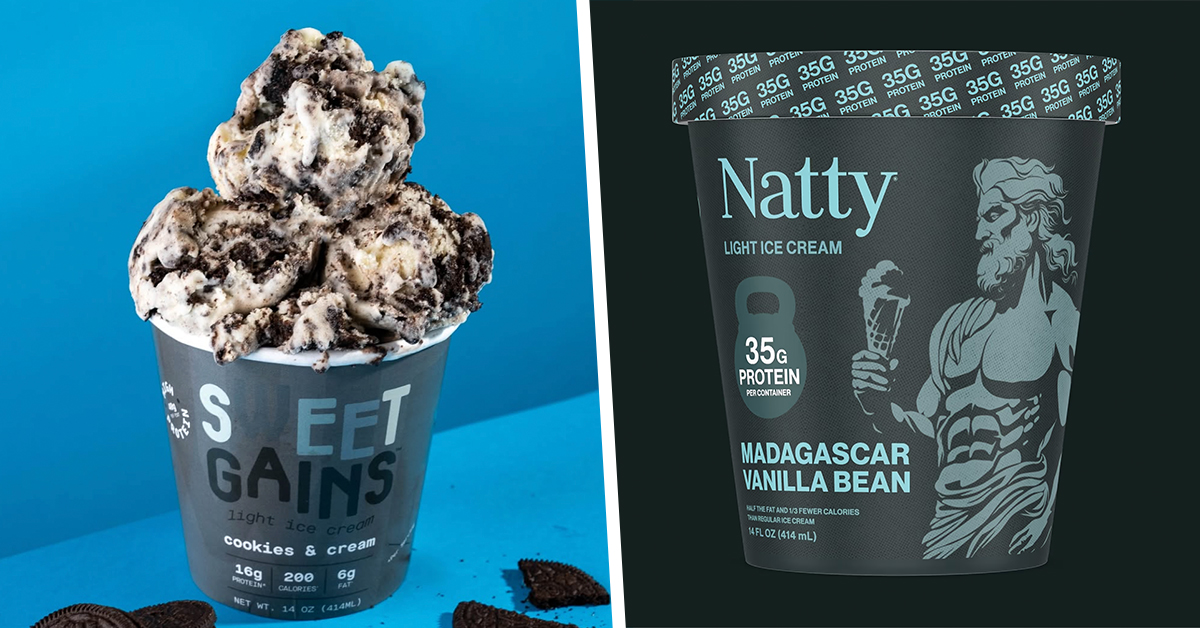
For Philadelphia-based Sweet Gains, prominently labeling itself as a “light ice cream” is nearly as important as the 40 grams of protein inside each pint.
“We don’t need to resort to the ‘frozen dessert’ category,” said co-founder Vishal Ramrattan, referencing the Standard of Identity (SOI) labeling requirements.
Launched last summer, Sweet Gains is focused on building its distribution regionally in the Northeast with over 80 retail doors opened up in the tri-state area, anchored by a partnership with the ShopRite grocery chain.
“We view this as a mass market product and price it that way, around $7.99 per pint,” Ramrattan said.
Along with slowly building its retail grocery partnerships, Sweet Gains has also targeted gyms as a channel to sell pints and drive trial. The brand has paired that approach with fitness-focused “nano-influencers” to drive awareness on social channels.
Sweet Gains is not the only brand using the fitness community as the low-hanging fruit for target consumers. Natty Ice Cream, another “light ice cream” with 35 grams of protein and organic ingredients, has launched pop-ups with fitness studios and is building out of a premium positioning in Erewhon.
Building A Category Within A Category
But for Smearcase founder and CEO Joe Rotondo the impetus to build a high-protein frozen novelty came down to not just improving on what has already been created but making something completely new. The former athlete and fitness enthusiast found himself unsatisfied with his post-marathon training sweet treat of cottage cheese, honey and berries.
“That just wasn’t hitting the spot anymore,” Rotondo told Nosh. “Cottage cheese is clumpy. The texture is weird. And that’s when it dawned on me: How has nobody cracked the code on high-protein ice cream or frozen cottage cheese?”
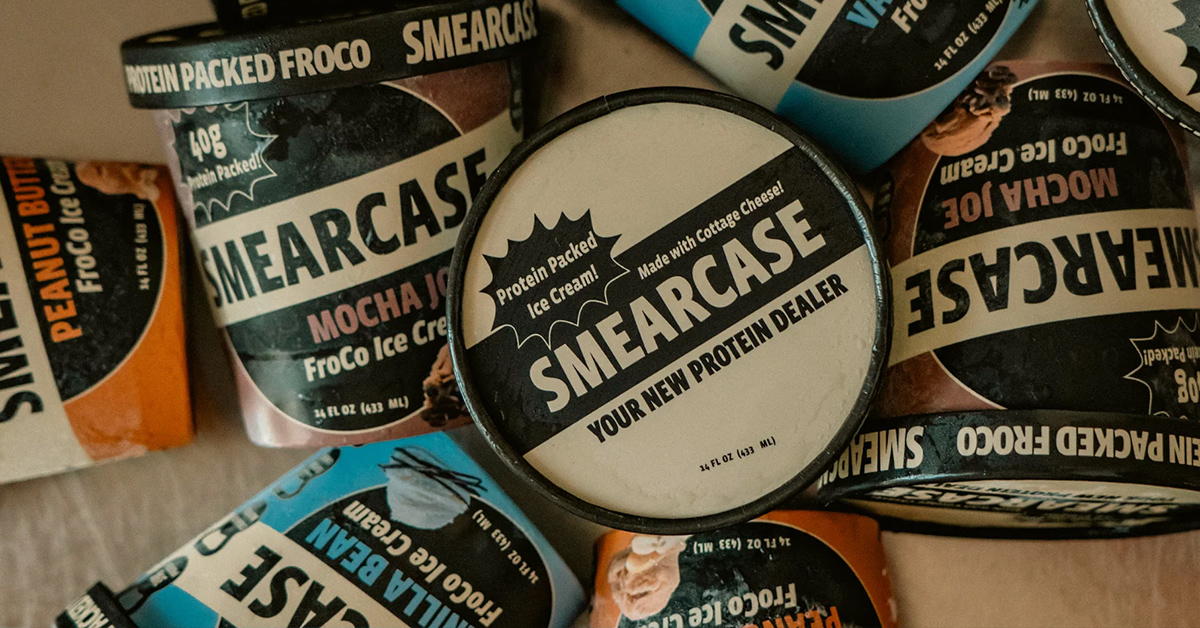
Tapping into the cottage cheese zeitgeist trailblazed by Good Culture, Rotondo set out to create his own subcategory within the high-protein dessert set. FroCo (or frozen cottage cheese) was born by bringing the low-carbohydrate, low-fat and high-protein metrics of its hero ingredient to the frozen dessert set.
“There’s clear white space, there’s a category disruption opportunity and a category creation opportunity,” Rotondo said. “Customers inherently understand it. We’ve stuck the timing incredibly well; it’s the rise of cottage cheese and the rise of protein. Customers know cottage cheese is a health food, but they don’t want to consume it out of the tub.”
Smearcase reported that a lot of its consumers are young families, consumer feedback that gives it – and the high-protein frozen dessert category as a whole – optimism that this is more than a passing trend.
While the current cohort of protein-rich frozen desserts initially targeted active-lifestyle consumers in the Gen Z or millennial demographic, that positioning appears to be shifting from gym bros and collagen queens to soccer moms.
Many brands reported that their biggest customer demographic was young parents who are looking for better-for-you dessert options that the whole family will enjoy. This will likely only build a bigger tent for the high-protein ice cream category to thrive beyond the macro-counting community.
“The amount of under five-year-old kids that try Smearcase at demos and ultimately force their parents to buy it is at least 25%,” Rotondo said anecdotally. “You wouldn’t buy Muscle Milk for your children, but you would buy Smearcase for you kids.”
Explore the Nombase CPG Database
Head to Nombase to learn more about the tagged companies and their offerings.