Food Funding Forecast Clouded By Uncertainty


The year is barely underway, and already several significant deals struck in the packaged food sector provide reason for optimism after a tough period on the financing front. While some industry watchers anticipate the pace of transactions to accelerate, others expect strategic acquirers and investors to remain prudent and disciplined.
“We see investors are being super selective, focusing on brands with strong fundamentals, profitability, and smart growth. We’re also seeing more structured deals and bridge rounds, not the big, high-burn raises of past years,” said Genevieve Gilbreath, co-founder and general partner at Springdale Ventures.
Wayne Wu, general partner at VMG Partners, described the landscape as a binary market of “the haves and the have nots,” in which growing, differentiated and profitable brands of scale in large categories will be snapped up by strategics, and others “will struggle to be acquired at any price.”
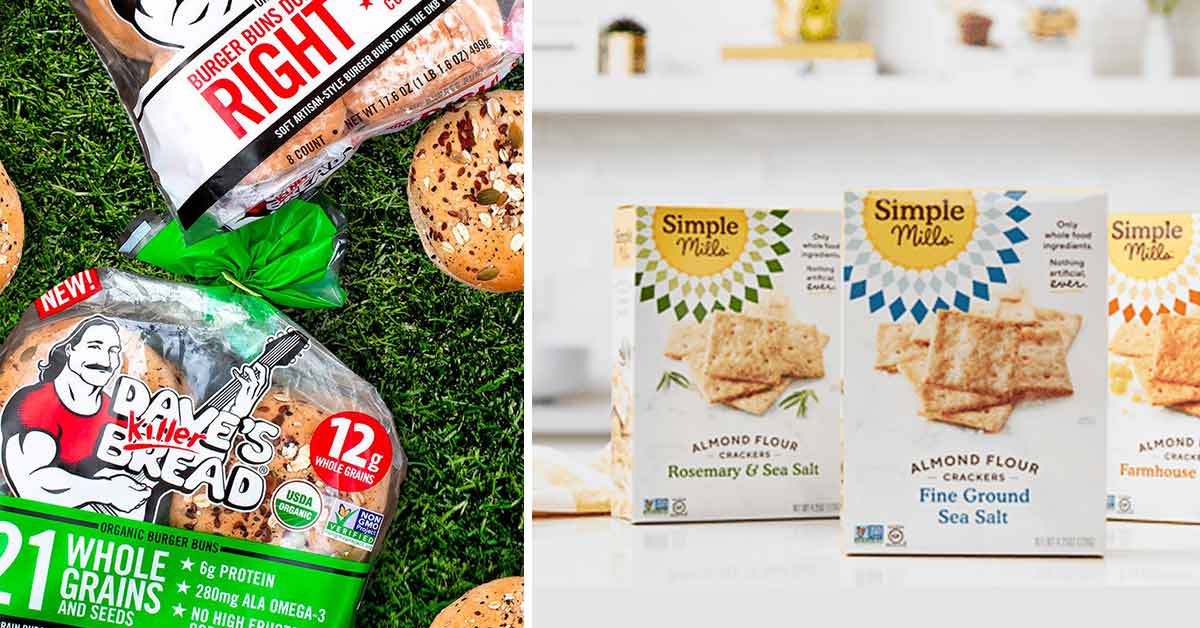
Per Wu, an example of a “have” is Simple Mills, a producer of premium, gluten-free cookies, crackers and baking mixes, which is set to be acquired this month by Flowers Foods, parent company of Nature’s Own, Dave’s Killer Bread, Wonder, Canyon Bakehouse and Tastykake, in a transaction valued at $795 million
On the heels of that deal came Ferrero Group’s bid for protein snack brand Power Crunch, more proof that packaged food conglomerates are buying into the healthy snacking set – if the terms are satisfying enough.
“Strategic acquirers and investors are prioritizing profitability, operational synergies, and defensible market positioning rather than chasing pure revenue growth. Functional foods and beverages — particularly those focused on gut health, proteins, longevity and wellness — will attract the most interest, but only if they demonstrate sustainable unit economics,” said Rachel Hirsch, founder and managing partner at Wellness Growth Ventures.
Ideal Conditions With A Chance Of Tariffs
While nowhere near early-pandemic levels, the market is ripe for increased activity against a macroeconomic backdrop that feels “constructive,” said Matt Leeds, founder and managing partner at Forward Consumer Partners.
“Markets are up, inflation has sustainably eased, consumer spending and sentiment have held up, and unemployment remains very low,” he said.
Tempering the cautious optimism is uncertainty over impending tariffs and other economic shifts.
“The big outlier is tariffs — what will actually materialize and what will the effects be? This is a big cloud hanging over the year’s outlook. Even so, we think the effects will be more industry-specific, and not have industry-wide implications. Thus, many industry segments will remain healthy and continue to see robust activity,” said Rodney J. Clark, founder and managing director of Aspect Consumer Partners.
Supply chain resilience will play a more important role in the eyes of acquirers, Gilbreath said.
“With new and uncertain tariffs in play, brands with strong domestic sourcing are in the best spot to weather uncertainty,” she said.
While “large strategics are feeling healthy [and] strong enough to play offense” on mergers and acquisitions, Leeds said, funding for early-stage brands remains challenged. The investor appetite for durable, profitable growth over “stratospheric, unprofitable growth” will likely continue for at least a few years “until the mistakes are far enough in the rearview that we begin the cycle anew.”
“As exits and distributions from the earlier-stage companies have slowed, the bar has gotten higher for new capital investment at this stage of the market,” he added.
Brands that are overly reliant on direct-to-consumer channels and “struggling with weak financial fundamentals or operating with unrealistic growth assumptions” will face the greatest headwinds in securing funding or acquisition interest, Hirsch said.
“While the funding environment is improving after a cautious 2023–2024, capital will flow selectively to businesses with strong retail traction, efficient operations, and a clear path to sustainable margins,” she said.
Food and beverage venture funding in 2024 decreased by 11% year-over-year to $1.5 billion, representing fewer total deals as well as fewer seed rounds, according to FABID (The Food & Beverage Investor Database).
Its latest report paints a grim picture of the limited capital available for smaller brands in particular; the portion of funding allocated to pre-seed through Series A brands has shrunk to about one-third. Additionally, launches of new funds focused on food and beverage are at a 20-year low, per the report.
What’s Winning?
A bright spot highlighted in the report is baby food, a growing category that raked in $96 million in funding last year, on top of $45 million in 2023.
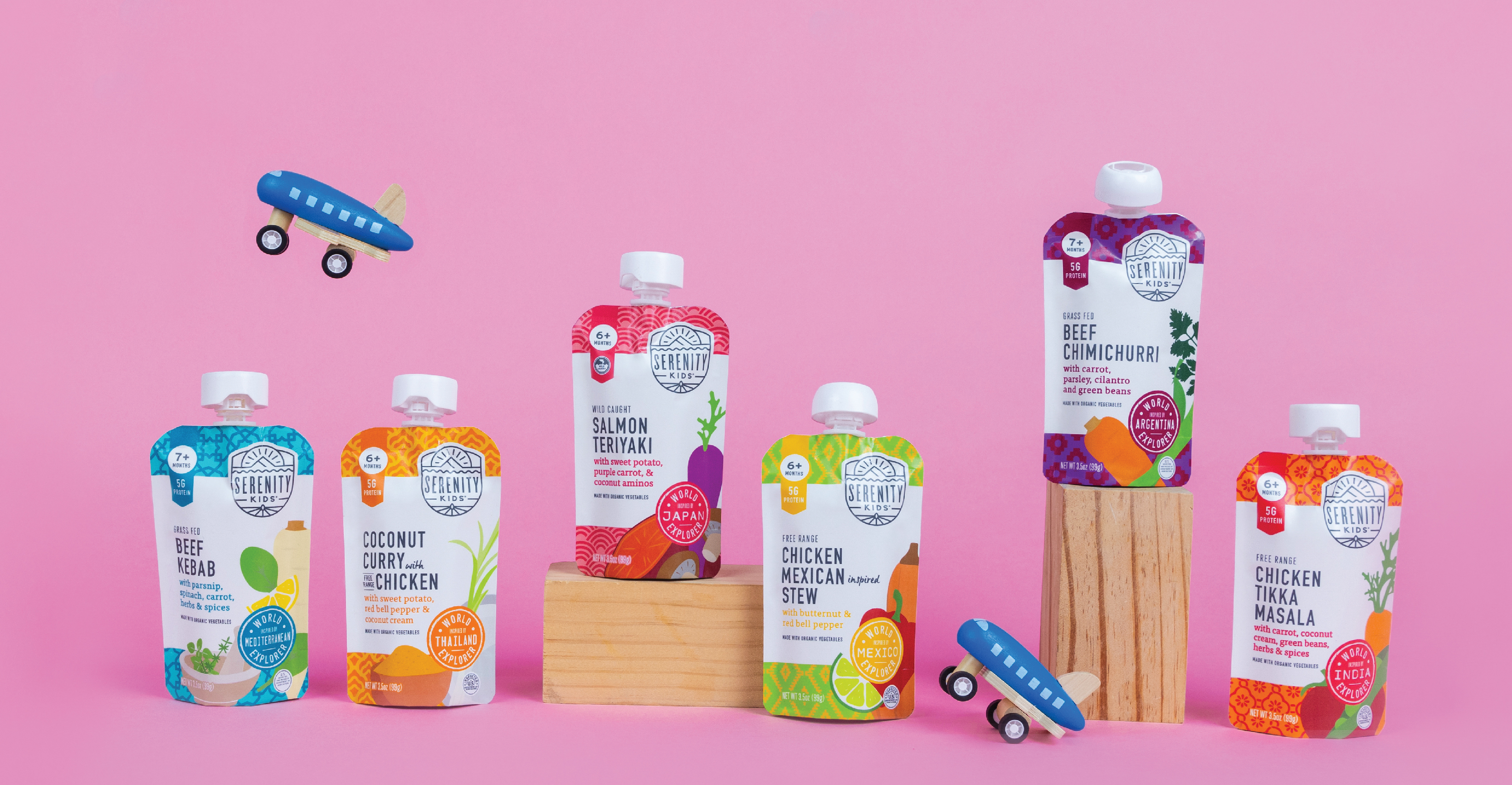
A lot of that came from one big check: In March, Serenity Kids closed a $52 million Series B round led by Stride Consumer Partners. The company, which markets a range of shelf-stable pouched baby food made with meat and vegetables, dairy-free smoothies, grain-free puffs, and A2 whole milk toddler formula, was profitable and not seeking investment but was attracted to the private equity team’s track record partnering with brands like Yasso and Chomps, according to co-founder Joe Carr.
“The current investment landscape is pretty dire, so our ability to attract this financing and partnership validates our differentiation, mission and growth potential,” Carr said in a statement.
Later in the year, children’s food company Mission MightyMe raised $2.35 million ahead of a launch into select Target stores. The brand produces snacks formulated with common allergens to prevent future food allergies.
Health and sustainability themes still matter, but “investors and acquirers want to see it backed up with real margins, and consumers want to see value, not just good storytelling,” Gilbreath said.
Brands that are successfully mastering omnichannel execution also are standing out to investors, Gilbreath said. Consider Proper Good, a digitally native, heat-and-eat meal maker, which closed a $3.5 million funding round late last year to support its growing retail footprint and expanded partnership with Walmart.
Noramay Cadena, managing partner at Supply Change Capital, remains bullish on “the intersection of technology and consumer” with a focus on the impact of artificial intelligence and its capacity to “hyper personalize food shopping,” as well as the growing adoption of blockbuster weight loss drugs like Ozempic.
“One in eight adults has taken a GLP-1 prescription drug for weight loss and/or diabetes. These drugs cause disruptive appetite characteristics, and both family and social dining will need to adjust,” Cadena said.
Another area of interest is water circularity and closed loop systems, she added, noting, “Plastic bottles are so 2000s.”
“We’re excited about technologies that help us think differently about hydration, whether at home or in the workplace,” she said.
What’s Losing?
One category that appears to be losing steam among investors is frozen meals and entrees. The segment brought in $9.9 million in funding last year, down sharply from $52.4 million the prior year, according to FABID.
In 2023, Konscious Foods raised $22.5 million, MiLa (then XCJ) secured $21 million, and MingsBings scored $4.85 million, showing continued interest in elevated, Asian-inspired convenience offerings.
In 2024, Laoban Dumplings scooped up $4.9 million ahead of its expansion into bao buns, and The Jackfruit Company raised $5 million in a Series B extension, adding to the $23 million it raised in 2021. The company produces plant-based takes on breakfast meats, chicken nuggets, Buffalo wings and more.
The slowdown in funding to frozen entree brands coincides with a decline in dollar and unit sales in the category, per SPINS data.
Tagged Brands (2)


Explore the Nombase CPG Database
Head to Nombase to learn more about the tagged companies and their offerings.