Federal Agencies Push for Uniform Definition of ‘Ultraprocessed Food’ Amid Health Scrutiny

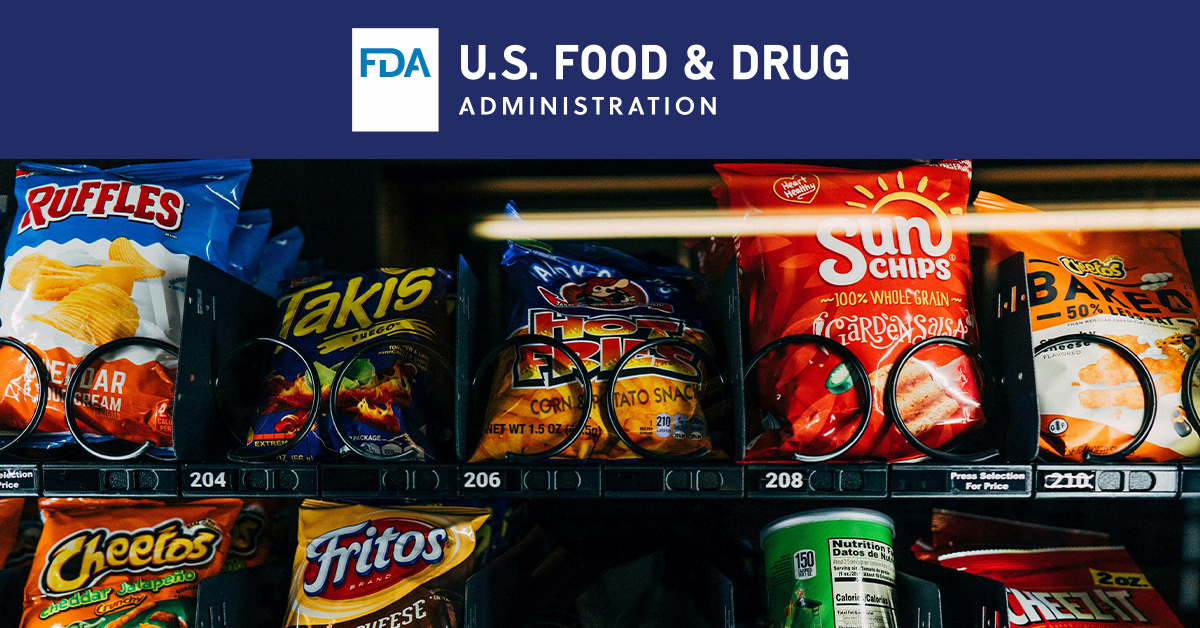
The U.S. Food and Drug Administration (FDA) and U.S. Department of Agriculture (USDA) announced this week that they are collaborating to accelerate federal efforts addressing rising concerns about ultraprocessed food (UPF) and diet-related chronic diseases.
The agencies have filed a Request for Information (RFI) to collect data that will guide the creation of a federally recognized uniform definition for UPF. The request will be publicly available in the Federal Register starting today. Additionally, the FDA and National Institutes of Health (NIH) are investing in research that examines the health impacts of UPF consumption.
The term “ultraprocessed food” was first established in 2009 with the development of the NOVA Food Classification System. The tool is still used as the standardized metric for determining whether or not a product is UPF, especially pending a uniform federal definition in the U.S.
“The threats posed to our health by foods often considered ultraprocessed are clear and convincing, making it imperative that we work in lockstep with our federal partners to advance, for the first time ever, a uniform definition of ultraprocessed foods,” said Marty Makary, FDA Commissioner, in a statement.
A standard federal definition for UPF will serve as a key deliverable of the recently published Make Our Children Healthy Again Assessment, which claims overconsumption of UPF is one of the driving factors of childhood chronic disease. Other key drivers outlined in the report include synthetic food dyes and environmental toxins such as PFAS, microplastics and pesticides.
According to the report, an estimated 70% of packaged products in the U.S. food supply are considered UPF, and children get over 60% of their calories from these foods. These products often lack significant fiber content and contain high levels of sodium, added sugar and fat.
Research from the American Medical Association shows regular UPF consumption can increase the risk of cardiovascular disease, certain cancers, obesity and type 2 diabetes. Though a common concern about UPFs is their addictiveness, a study from NIH found there is no significant link between the consumption of these products and dopamine levels in the brain.
The regulatory push for a uniform definition of UPF comes amid mounting pressure from Health and Human Services (HHS) Secretary Robert F. Kennedy Jr.’s Make America Healthy Again (MAHA) movement. Despite the current lack of a federally recognized definition, Kennedy has already worked to ban government subsidies of UPFs by restricting products that can be purchased via the Supplemental Nutrition Assistance Program (SNAP) and pledged to remove UPFs from school lunch programs.
Last month, USDA Secretary Brooke Rollins approved waivers to Arkansas, Idaho and Utah to amend their food assistance programs – restricting candy and soda from SNAP – starting in 2026. The new waivers come on the heels of similar moves from Indiana, Iowa and Nebraska in May.
Responding to the FDA and USDA’s new request for information, Rollins said in a statement, “This is yet another step in seeking commonsense ways to foster improved and more informed consumer choice. A unified, widely understood definition for UPF is long overdue.”