eGrocery Outpaces In-Store Sales, Driving Shift to Mass Retail

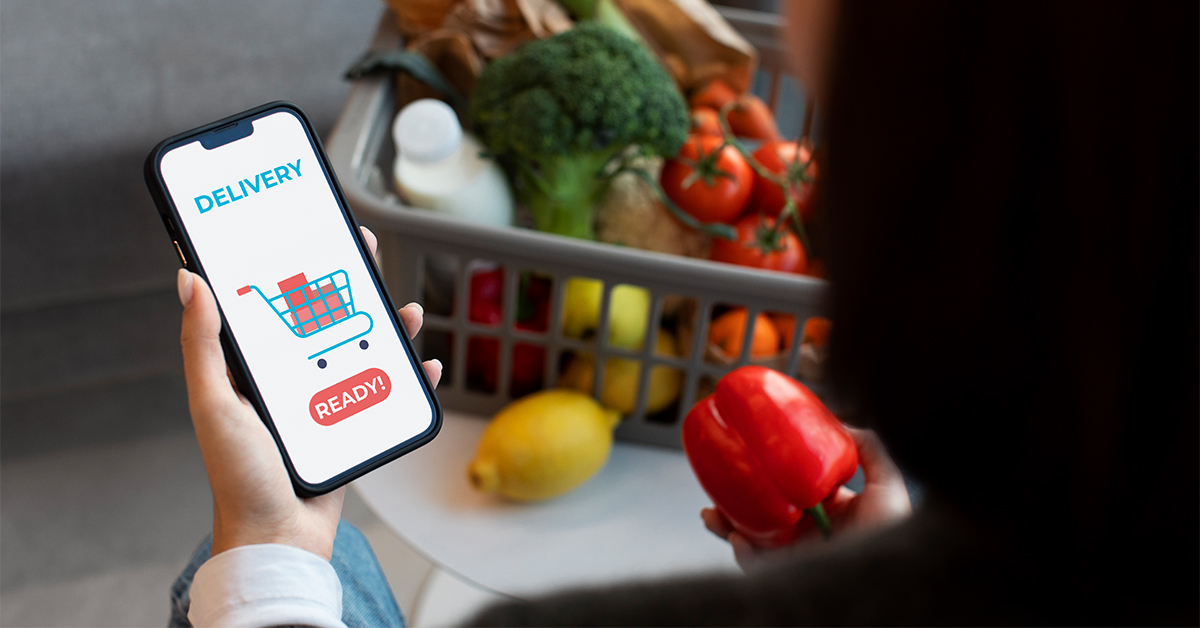
The online grocery sphere appears to have strong momentum as the market’s growth significantly outpaced that of in-store shopping at a time when key demographics have indicated they are shifting weekly food shopping away from supermarkets to Walmart and discount chains.
What does this mean for manufacturers? First, let’s take a look at the latest market dynamics.
Online grocery sales grew 27.6% year-over-year to $9.8 billion during the month of June with all three receiving methods – delivery (+29%), pickup (+25%) and ship-to-home (+33%) – seeing dollar sales gains of at least 25% or more, per the latest data from Brick-Meets-Click (BMC)’s monthly shopper survey, sponsored by Mercatus.
During the last week of June, however, overall household grocery spending increased only 2.5%; according to the report, this lower growth rate compared to online grocery’s surge suggests that in-store sales across retail channels declined year-over-year in June.
Per a recent report from market researcher The Feedback Group, younger generations, including Gen Z, Millennials and Gen X, are also overwhelmingly shifting food purchasing to mass channel retailer Walmart and discounters like Aldi rather than supermarkets, the former of which has a strong, profitable ecommerce business.
“When it comes to shopping online for groceries, supermarkets continue to face escalating competition from Walmart,” the BMC report stated. “One in four households that ordered online from a supermarket service also did so with Walmart during June 2025, up 400 bps year over year. In fact, this cross-shopping metric between supermarkets and Walmart has risen every June since 2020, when Brick Meets Click began measuring and monitoring this shopping indicator.”
This dynamic is not new. Back in 2022, when Albertson’s now-failed mega-merger with Kroger was first proposed, both supermarket chain operators stated that the transaction would allow them to continue to compete within that cross-shopping dynamic, and with growing forces in grocery, specifically Walmart and Amazon. But Albertsons appears to be pushing for growth in this sector now that its fate as a solo seller has been sealed.
Albertsons reported 25% ecommerce sales growth during its first-quarter earnings, released today. The ecommerce sector now accounts for 9% of the operator’s grocery revenue, and its digital loyalty platform grew 14% to 47,000,000 members in the quarter. Online grocery growth is the retailer’s “biggest growth customer acquisition and customer retention opportunities for 2025 and beyond,” said CEO Susan Morris, in a statement.
The supermarket chain continues to invest in the platform, including expanding its ecommerce platform for businesses to over 2,000 stores earlier this year and the addition of shop assist, which allows customers to communicate directly with store staff while their order is fulfilled. According to Morris, these improvements as well as future AI integrations have pushed its ecommerce business “near breakeven and improving.”
“This growth was again led by strong performance in our first party business, driven by award winning capabilities in our fully integrated mobile app and supported by our five star certification program. Our focus on delivering exceptional customer service experience is fueling new customer acquisition and strengthening existing customer retention,” said Morris.
For brands, these trends indicate a growing importance of optimizing both packaging design, sizes and assortments for continued success in the ecommerce realm. But for regional grocers, Mercatus chief growth officer Mark Fairhurst said these results should be “a wake-up call.”
“Take control of your customer data and put it to work to stay competitive,” Fairhurst said in the report. “A year of aggressive delivery promotions and a sharp rise in cross-shopping between supermarkets and Walmart highlight the urgent need to defend your customer base on every channel by owning the relationship at each touchpoint and building a smarter, more connected experience to drive growth and stay relevant.”
Explore the Nombase CPG Database
Head to Nombase to learn more about the tagged companies and their offerings.