Could Steel Tariffs Dent Canned Food Growth?

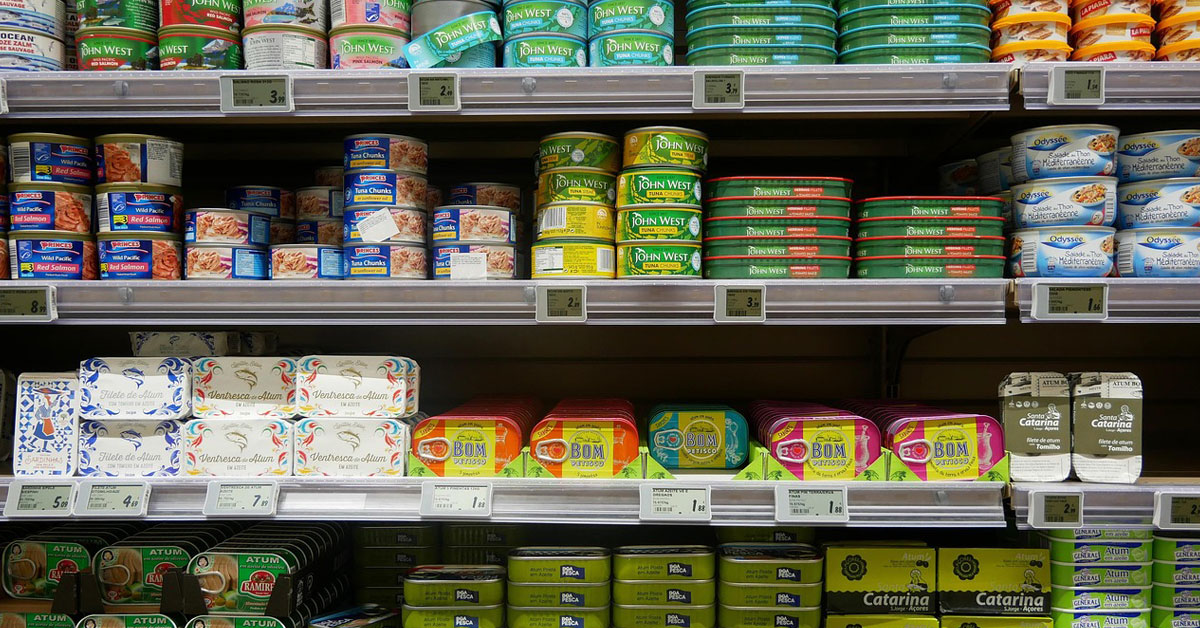
They say it’s what’s on the inside that counts, but that’s only half true – at least when it comes to canned food.
The Trump Administration’s new 50% duty on imported steel could increase store prices for products packaged in steel cans by 9% to 15%, according to Consumer Brands Association data cited by The Wall Street Journal. That’s bad news for both consumers and brands, as imported tin-coated steel is the top packaging choice for canned food due to its durability and strength.
The new duty, imposed on June 4, doubled the previous tariff on imported steel. The administration believes this will increase demand for domestic steel since foreign-made metal prices will go up; however, domestic steel prices are expected to rise as U.S. producers hike up their own prices.
The Big Issue: Domestic producers have been scaling back tin-coated steel production for years, meaning there isn’t currently enough supply in the U.S. to meet the demand of can manufacturers. Doubling the tariff on tin-plate is expected to boost costs by at least 14%.
“Steel can manufacturing is an important part of this industry that brings nutritious foods to every pantry or kitchen in America. [This tax] will not only harm our industry, it will also harm consumers, especially those who rely on affordable and accessible canned foods,” said Robert Budway, president of the Can Manufacturers Institute, in a statement. “What is intended as a tool to protect U.S. manufacturers will have the exact opposite impact.”
Canned food sales have been on the rise as cash-strapped consumers push home cooking to its highest levels since the pandemic. Last week, The Campbell’s Company reported a 15% net sales jump in its Meals & Beverages division in Q3, reflecting, in part, gains in cooking soups.
Though canned foods provide long shelf lives for ready-to-eat foods like fruits and vegetables, producers like McCall Farms – which sells canned green beans, carrots and sweet potatoes – worry higher costs will discourage their use. The future of canned food sales now hangs in the balance, the company believes.
Glass, plastic and TetraPaks could be used as alternatives, but the cost of switching not just packaging, but also reassessing shelf-life and product quality lifecycles would result in even more price increases.
There are also indirect costs to consider, too, including transportation. As many as 20,000 jobs in canned food manufacturing could be at risk if the tariff forces consumers to shy away from canned goods, per the Consumer Brands Association.
“We’re getting to the tipping point with many customers. You’re just driving them to plastic packaging,” Rick Huether, CEO of Maryland-based Independent Can Co., told WSJ.