Home Cooking Is Back. But CPG Sales Still Could Shrink.

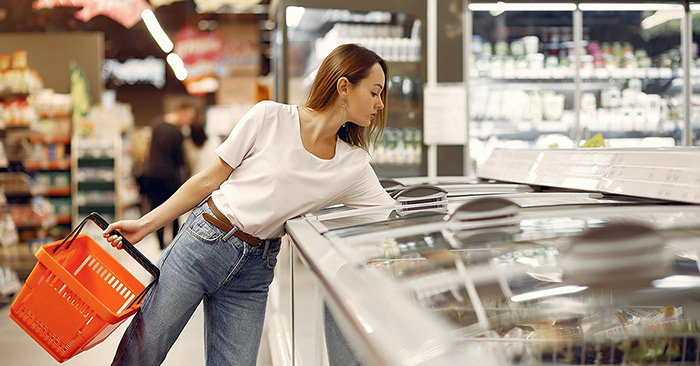
Most Americans (78%) are concerned about the economy, and recent sentiments – from consumer surveys to the words of food industry CEOs – signal the same thing: consumers are cooking more at home.
But an increase in at-home eating occasions doesn’t necessarily mean CPG sales are about to surge. Brands slinging frozen meals and meal prep type items, along with budget-friendly pantry staples are set to be the biggest winners if current consumer trends are any indication, per a new U.S. Economics Sentiments survey from contextual advertising platform Chicory.
Nearly half of the respondents (46%) said they are cooking and eating at home more, and 34% of Gen Z shoppers (also the most price-sensitive demographic) said they’ve cut back on how much they spend on groceries due to recent economic uncertainty.
Snacks as well as premium and specialty products like proteins (think: beef and chicken versus “the more affordable” beans and tofu), dairy and pantry staples are the first to go from weekly shopping lists, the survey says. These items are often subbed out for store brands or higher-value products (i.e.: smaller pack sizes at a lower price).
That latter aspect has become an integral way CPGs can hedge against declines. “For CPG brands, this growing focus on affordability should not be ignored,” the report notes.
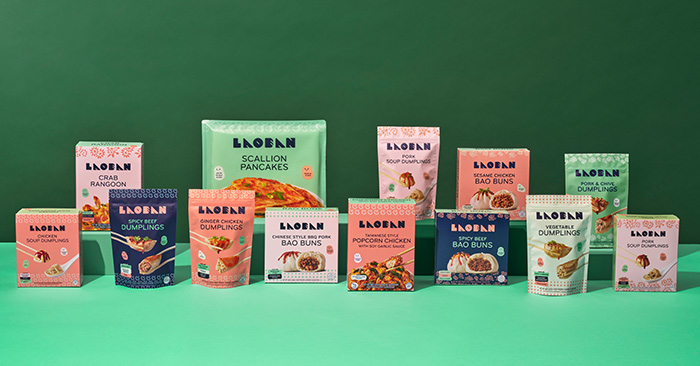
Brands such as Laoban are leaning into price-pack architecture as they expand into conventional and mass channels, focusing on smaller offers so that on-shelf pricing is lower to reduce perceived barriers to purchase, CEO Patrick Coyne recently told Nosh. Olive oil brand Graza has also taken similar steps this year, introducing bulk-sized bag-in-a-box and jug formats at a lower price-per-liter.
The big guys are doing it, too. This week, Campbell’s said it is leaning heavily on price-pack architecture “as a tool for reinvigorating consumer demand” via multi-pack offerings as well as simply ensuring it has the right starting price point across markets. Those efforts will primarily roll out across its snack segment, which posted sales declines across its leading brands including Late July, Goldfish, Snyder’s of Hanover pretzels and others.
However, the other side of Campbell’s business – Meals & Beverage – is pulling its weight, driving positive organic net sales growth in the third quarter after three straight quarters of declines. CEO Mick Beekhuizen said that performance was due to consumers “cooking at home at the highest levels since early 2020,” and turning to budget friendly items like soups, broths and sauces.
TikTok also could be a mode for CPGs to elevate themselves among this at-home cooking revival. According to Chicory, 80% of consumers have been inspired to buy a new product due to a recipe they’ve seen on the platform; 69% say recipes have pushed them to try a different brand than they usually purchase.
Think back to the early cottage cheese craze days in 2023, thanks to Good Culture’s online recipe finesse. As consumers seek out more budget-friendly, nutrient-dense food items – social media managers, this may be your time to shine.
Explore the Nombase CPG Database
Head to Nombase to learn more about the tagged companies and their offerings.