A Bite With Manna Tree’s Ross Iverson on MAHA’s M&A Effect

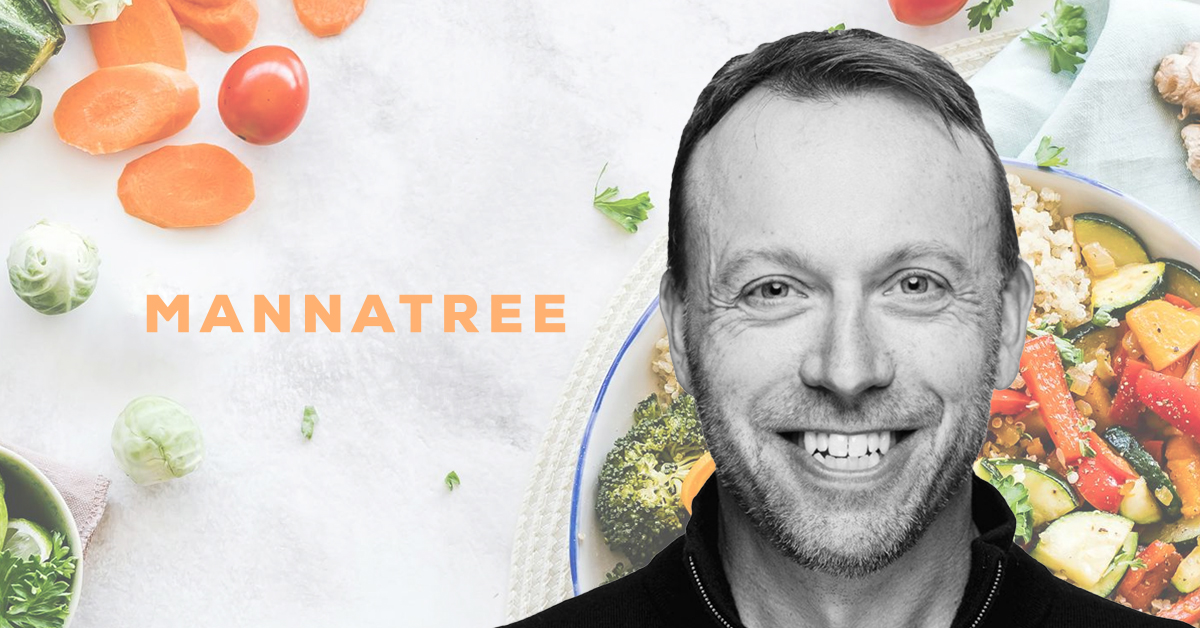
“The opportunity to continue reshaping the food industry is significant – about $1 in every $20 spent globally is now on wellness,” Iverson said. “We believe there has never been a more pivotal time to support brands that empower consumers with products they can trust.”
We sat down with Iverson to learn about who he believes will be the biggest winners, how food policy and regulation impact the M&A market and exit strategies for emerging brands and whether or not the MAHA era will have a lasting effect on the industry.
Responses have been lightly edited for clarity.
What types of companies will be the biggest winners in the next four?
We believe the biggest winners will be companies that can scale clean-ingredient, better-for-you products while maintaining strong unit economics. Data shows that 81% of shoppers say purchasing clean ingredient products is important to them, per data from the Food Institute. Furthermore, six in 10 Americans live with at least one chronic disease, and consumers are increasingly making the connection between processed foods and health outcomes. We’re seeing this validated in our portfolio with 68% net revenue growth over the past 24 months.
The journey to cleaner ingredients is more than a consumer-driven trend – it’s a major economic and structural shift for the U.S. food system. Reliance on long-established supply chains, production processes, and additive-heavy formulations presents both challenges and opportunities as the demand for ingredient simplicity and integrity reshapes the future of food.
The food industry’s ongoing shift to clean ingredients has created meaningful opportunities for innovative and entrepreneurial companies entering the market with new, clean ingredient products. This significant transformation in consumer preferences is driving innovation and creating space for companies that align with these evolving market demands.
How could changes in regulatory policy sway the food industry’s M&A appetite?
There is already a broad and growing consumer movement towards clean ingredients and label transparency, so I think we are already seeing larger companies taking this seriously and either looking to acquire innovative clean brands or they are looking to create new products internally, such as Coca-Cola’s launch of Simply Pop. I think the areas that could be most impacted are those with the highest consumer scrutiny around artificial ingredients and processing methods. Companies that have already invested in clean ingredient formulations, solid supply chains and transparent practices will be better positioned.
At this moment though, any predictions for exact regulatory changes are too dynamic, but I do think there is a growing appetite in the larger food industry to really start addressing consumer demand for cleaner, better-for-you products. And the good news is, there are a growing number of really great and innovative clean food brands and products in the marketplace now.
How do you believe the current economic conditions, as well as the regulatory environment, will affect exit strategies for emerging brands in 2025?
Food companies made 254 U.S. food and beverage acquisitions last year, with an average deal size of $67.5 million. Now that valuations have level set in 2023 and 2024, we believe there’s growing confidence among acquirers that the market is fairly valued in 2025. We expect this stability to drive increased deal activity, particularly for companies with positive EBITDA and specialty premium products, leading to more favorable exit conditions for both M&A and IPOs.
What other notable shifts do you believe we will see within the food industry as a result of the priorities of the Make America Healthy Again (MAHA) movement?
We’re seeing tremendous potential in companies making healthier options more accessible and scalable. The global health and wellness economy is projected to grow to $8.5 trillion by 2027. Rather than mass reformulations, we’re seeing big food companies acquire innovative brands that already have clean ingredients, transparency and strong consumer trust. This approach is more efficient and authentic than trying to reformulate existing products.
This trend aligns with consumer behavior shifts where 67% of global consumers now emphasize ingredient sourcing more than they did just a year ago, and 74% expect companies to provide transparency regarding their raw material sources. At the same time, we must remember that more than 47 million people in the U.S. face hunger, including 1 in 5 children, per the USDA. Affordability must remain a cornerstone of any effort to improve ingredient integrity.
What should be top of mind for emerging brands looking for an exit within the next year or two?
From our experience at Manna Tree, success requires four key elements: First, ensure your supply chain is resilient and integrated. Second, demonstrate strong growth fundamentals – we target companies with 20%+ year-over-year revenue growth. Third, build a strong team that can execute at scale. Fourth, maintain product integrity through growth, as 94% of global consumers actively read product labels and will notice compromises in ingredient quality (per research conducted by Tate & Lyle).
Many of MAHA’s food industry priorities have generated bipartisan support. Do you believe Big CPGs will get in the way of RFK Jr. and others acting on these initiatives?
The drive towards change in the food industry transcends politics and any political or economic lines. The growing emphasis on clean ingredients and label transparency is driven by the consumer, and I think all food companies have taken notice. Many are looking at their portfolios to see where adjustments or changes can be made, and looking at strategic acquisitions. These changes can be hard and even costly, but again, the consumer is driving this change and all food companies need to take that seriously.
As for the impact of potential tariffs – what advice would you give to entrepreneurs navigating these challenges?
Having scaled multiple companies through various market conditions, I’d emphasize three key areas: First, build redundancy into your supply chain. Second, maintain strong unit economics – this becomes even more critical in uncertain trade environments. Third, focus on operational efficiency while maintaining quality standards.
What do you believe the future of the food industry will look like if the MAHA era leaves a recognizable mark?
I think the future is already taking shape through consumer demand rather than strictly through policy. The health and wellness market is projected to reach $8.5 trillion by 2027 (per McKinsey data), and we believe that better-for-you-ingredients and clean products are already in the mainstream and embraced broadly by consumers.