As Consumer Demands Evolve, C-Store Frozen Food Sales Surpass Pre-Pandemic Levels

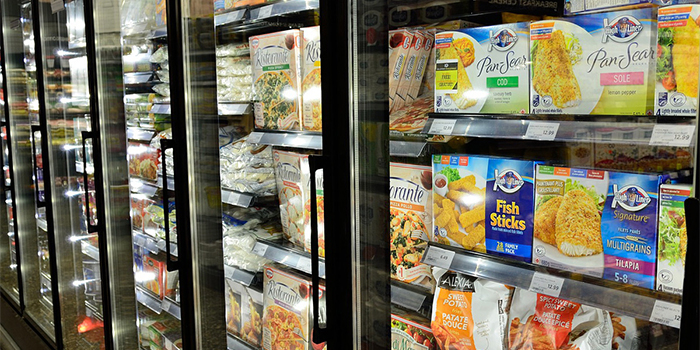
Frozen food sales in convenience stores have continued to rise as consumers seek out meal shortcuts and convenient dinner options beyond the peak of the pandemic. In the past year alone, frozen category sales in c-stores rose 18.3%.
When consumers began to pantry shop at c-stores as an alternative to traditional grocery stores amid the pandemic, manufacturers discovered “hot spots” in frozen assortment plans. In the last 52 weeks ended July 30, 2022, frozen food sales in c-stores accounted for $3.2 billion, up from $2.4 billion in 2019 (in the 52 weeks ended August 3, 2019), according to Nielsen IQ.
“[Consumers] are having more family meals at home than ever before. They are looking for meal plans, culinary creativity and convenient, cost-effective solutions,” said FMI VP of industry relations, Doug Baker, in the AFFI Power of Frozen 2021 report. “The frozen foods category offers these benefits to shoppers and that’s why we see all areas – from meal ingredients to meal solutions – reaching new audiences and increasing purchases.”
What are the driving factors behind the increase in sales?
When lockdown began, restaurants were soon closed, as were on-premise alcohol locations like bars and sporting events. With more of a need to make meals at home, many consumers turned to convenience stores to purchase pantry items, as stores provided a shorter shop than a traditional grocery store and oftentimes were perceived as safer due to less food traffic.
“Normally, 83% of all items sold inside a convenience store are immediate consumption [products]. That changed with the pandemic, where within a year it was down to 80%, which is fairly significant,” said NACS VP of Strategic Initiatives, Jeff Lenard. “People were doing a pantry shop at a convenience store and some of that included frozen.”
The number of frequent frozen food consumers (those who consume frozen food daily or every few days) already rose from 35% in 2018 to 39% in 2020. Now core frozen food shoppers and new consumers alike are drawn to attributes like ease of preparation, time savings and a quick and total meal solution and are turning to c-stores to fill that need.
What is the Current State of Frozen In C-Stores?
As the U.S. returns to pre-pandemic behavior, sales of frozen foods in c-stores remain on the rise, surpassing pre-COVID numbers.
Frozen manufacturers who observed this pandemic uptick in sales were “quick to pivot and worked closely with their retail partners to unlock opportunities and detect hot spots in their frozen assortment plans with great success, including offering more selection at c-stores,” said Carman Allison, VP of thought leadership for Nielsen IQ North America.
Although supermarkets and supercenters are still where consumers make most of their grocery purchases, other channels, including c-stores, are still being used for secondary or “fill-in” trips. According to data from AFFI, in particular core shoppers of products like frozen fruits and vegetables are more likely to buy from c-stores.
Data from AFFI found that the rise of frozen food sales in c-stores will likely carry on well beyond the pandemic.
“Once it starts to accelerate, then it continues to accelerate because [consumers] become used to doing things like this. So I think this trend does have legs, and it will continue on,” said Lenard. “The other thing is people just want convenience […] so I think people [will] look a little differently at what their needs are and how they can get filled.”
Where do better-for-you products fit in?
Convenience stores have added healthier options into the mix within the past decade, including fresh fruit and fruit cups. However, as those items are extremely perishable, frozen foods have emerged as an alternative format that is just as nutritious with a longer shelf life.
Although dessert remained the top-selling frozen category in c-stores last year, with sales reaching $1.6 billion in 2022, Nielsen IQ said 39% of Americans are trying to live a healthier lifestyle. The research group projects that consumers will continue “to show a strong preference for convenient, grab-and-go CPG items that offer some sort of health and wellness benefit.”
Furthermore, AAFI’s Power of Frozen market research found that shoppers define “healthy” in frozen foods, ranging from product type (vegetables, fruit, etc.) to nutrients they are trying to add or avoid.
Retailers are paying attention to this shift. Foxtrot carries healthier frozen items ranging from Caulipower pizzas to Laoban Dumplings to Snow Days Pizza Bites while 7-11’s in some markets stock Good Food Made Simple burritos, Annie’s Pizza Bites and Amy’s frozen bowls.
“Across many production traits, the highest share of frozen food consumers is interested in “real ingredients” (real cheese, real dairy, etc.), followed by fresh frozen and no artificial colors,” said AFFI president and CEO Alison Bodor.