Tracking The Impact: RFK’s Artificial Food Dye ‘Phase Out’

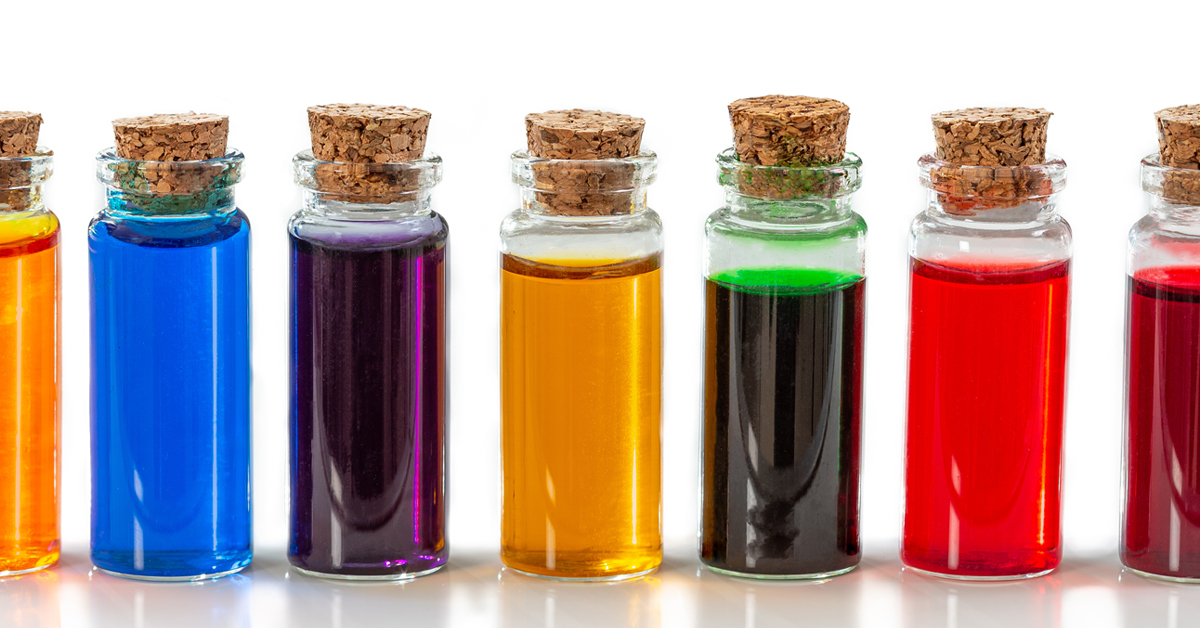
Health and Human Services (HHS) Secretary Robert F. Kennedy Jr. announced a new directive this week for food manufacturers to phase out eight synthetic food dyes used in the formulations of thousands of food products.
The administration is first targeting Citrus Red No. 2 and Orange B within “the coming months”; a press release from HHS said this action will initiate the process of revoking authorization for these inputs.
Then, HHS will turn its attention to the remaining food dyes and coloring – Green No. 3, Red No. 40, Yellow No. 5, Yellow No. 6, Blue No. 1 and Blue No. 2 – and will “work with the industry” to remove these inputs from formulations by the end of 2026. Kennedy is also working to move up the deadline to remove Red Dye No. 3 from formulations from its previously announced window of 2027 to 2028.
According to a report from NielsenIQ, the ban on Red No. 3 alone impacts over 5,000 food products; a USDA database notes that over 36,000 foods contain Red No. 40. The removal of all eight of these additional petroleum-based dyes will require reformulations and packaging updates for hundreds of thousands of food products.
However, Kennedy points out that many of the products implicated in this change are already produced with natural alternatives to be sold outside of the U.S. in countries across Europe as well as in Canada, where the regulatory principle is “precautionary” rather than the reactionary approach in the U.S.
That sentiment was reflected by FDA Commissioner Marty Makary in an interview with the New York Times this week, where he said that it is time to shift the agency’s thinking about what “constitutes” risk in the food supply as well as what scientific evidence is needed to take regulatory action.
As the synthetics head out, a few novel, natural inputs are set to head in. HHS said it would be “fast-tracking” the review of four new natural color additives – calcium phosphate, Galdieria extract blue, gardenia blue, butterfly pea flower extract – and accelerating the review and approval of others.
HHS also claims it will partner with the National Institutes of Health (NIH) to research how food additives specifically impact children’s health. Makary cited the “new epidemic of childhood diabetes, obesity, depression, and ADHD” and growing concerns of “doctors and parents” as reason for revoking authorization of these inputs, pointing to the “potential role” they could play in these conditions.
The announcement comes just days after Kevin Hall, a lead researcher at the NIH, resigned over concerns that Kennedy’s cohort was censoring its findings on a broader segment of artificial dye-containing products: ultraprocessed food.
Prior to the Trump Administration taking office, the FDA revoked the authorization of Red No. 3. But whether there was a federal mandate or not, action against all artificial food dyes has accelerated at the state level over the past year.
California and West Virginia have led the charge with the latter banning seven synthetic food dyes and two artificial additives just last month. States including Arizona, Utah, Virginia have passed legislation to ban seven artificial dyes from school lunches.
Support for a food dye ban has been mounting in direct opposition to Big Food. In October, activist shareholders marched at W.K. Kellogg’s Battle Creek, Mich., headquarters to demand the conglomerate uphold a 2015 promise to remove the artificial inputs from its products. Earlier this month, Texas attorney general Ken Paxton announced details of an investigation into Kellogg’s use of artificial food dyes.
But Big Food has consistently argued that there isn’t enough evidence to support making such a significant and sweeping change. However, the Food Industry Association (FMI), which counts companies like Kellanova, WK Kellogg, Kraft Heinz, General Mills, PepsiCo, among many others, as members, said it regards the FDA as “the authority on food safety and nutrition standards for products.”
“As science evolves and color alternatives are developed, tested and made available, innovations will continue to grow alongside changing consumer preferences,” an FMI spokesperson told Nosh in a statement.
“The agencies have the unique ability and important role not only to carefully evaluate scientific data and information on a particular substance, but also to make risk-based decisions and communicate those to consumers and industry alike to instill confidence in the safety of our food supply and food products.”
Explore the Nombase CPG Database
Head to Nombase to learn more about the tagged companies and their offerings.