The Year in Chocolate: Prices Surge, Alt-Cocoa Innovators Nab Funding and Expand Production


For a vast number of chocolate makers, this year has been anything but sweet.
Amidst surging cocoa prices – which are still on a wild roller coaster ride – conglomerates like The Hershey Company and Mondelēz International have resorted to passing price hikes on to consumers to reduce the impact on their balance sheets, while investors have expressed increased interest in high-tech startups producing alt-cocoa products with methods like fermentation and plant cell culture.
Going into 2025, strategists and consumers alike remain concerned about what the future holds for the industry, especially regarding potential adverse weather conditions and supply chain woes in West Africa.
How did we get to where we are today? Check out the timeline below to catch up on this year’s biggest moments in chocolate:

At the start of the year, a combination of low rainfall, plant disease, and aging trees from 2023 led to a “disappointing crop” in the Ivory Coast and Ghana. Because the two countries produce roughly two-thirds of the world’s cocoa, the shortage caused prices to spike dramatically – coming in at $4,444 per metric ton in January, according to Market Insider.
Voyage Foods, an Oakland, Calif.-based food technology startup, announced in April it had taken on a new role as an ingredient supplier through an exclusive business-to-business (B2B) partnership with Cargill. The agreement will see Voyage Foods offering its cocoa-free chocolate products – crafted with a vegetable oil blend, cane sugar, grape seeds, and sunflower protein flour – as climate-friendly ingredient solutions for Cargill customers.
According to Anne Mertens-Hoyong, Cargill category director of chocolate, confectionery, and ice cream, Voyage’s products will not replace its traditional cocoa counterparts but rather “extend” Cargill’s options in indulgence ingredients.
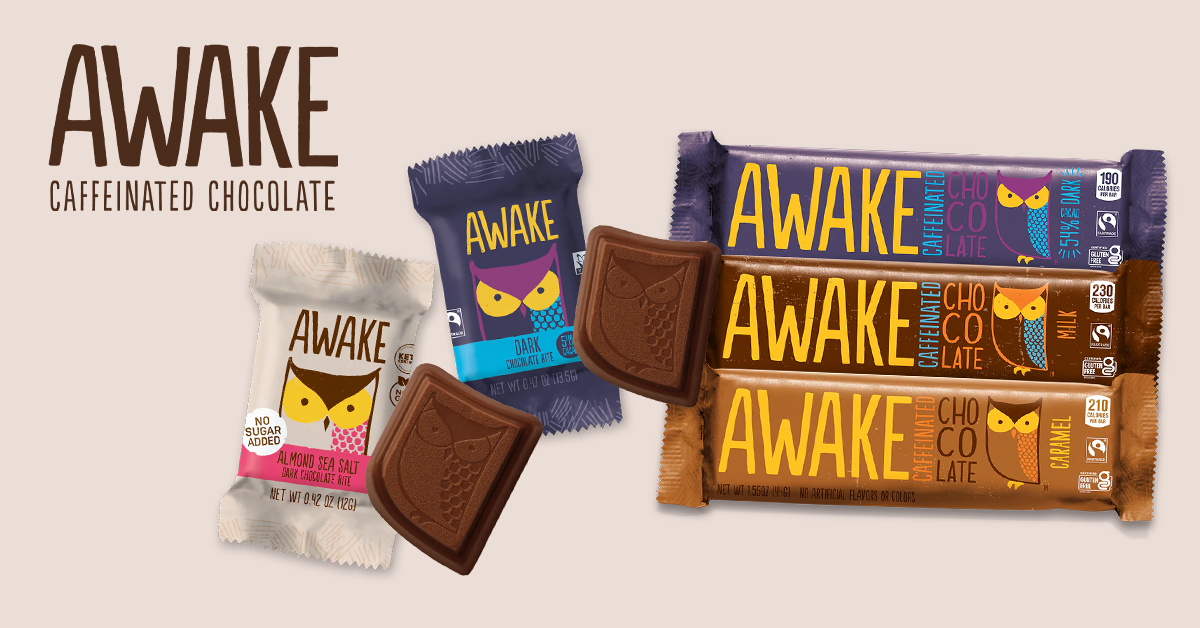
Also in April, caffeinated chocolate brand AWAKE closed a CAD $5 million (~ $3.6 million USD) follow-on funding round from Btomorrow Ventures, the venture arm of British American Tobacco, in April. The new capital, expected to have a runway between 18 and 36 months, will support AWAKE’s recent Canadian expansion at Costco and Loblaws, as well as in the U.S. with Stop & Shop and Giant.
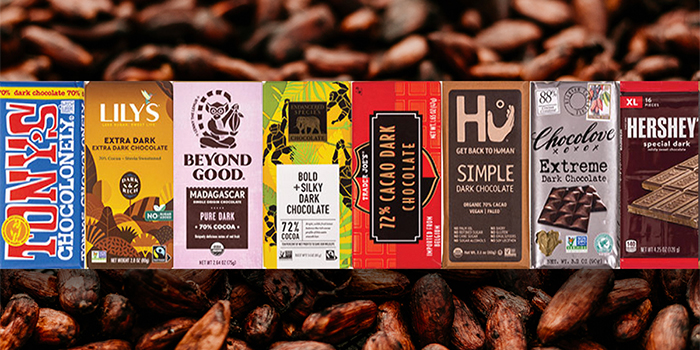
High cocoa prices weren’t the only factor plaguing some of the industry’s major players this year. In September, a U.S. district judge dismissed Lindt’s motion to dismiss a suit alleging the Swiss chocolatier misled consumers with claims that its products are “expertly crafted” with the “finest ingredients.”
The class-action lawsuit was filed in the Eastern District of New York in February 2023 following a Consumer Reports study that found potentially hazardous levels of lead and cadmium in 28 dark chocolate products from several manufacturers, including two produced by Lindt. The chocolate maker wanted the case dismissed on the grounds that the words “expertly crafted with the finest ingredients” were unactionable puffery, reported Fortune, but the judge dismissed the motion, defining product puffery as “exaggerated advertising, blustering, and boasting upon which no reasonable buyer would rely.”
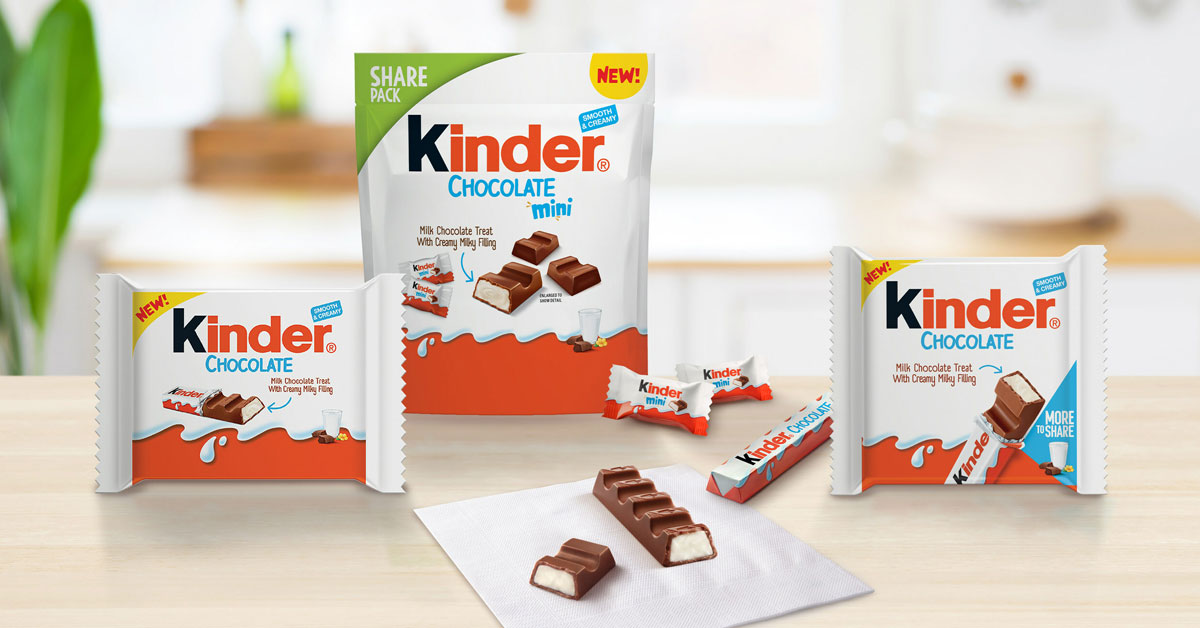
Ferrero demonstrated full confidence in its chocolate business by opening its new $214 million Kinder Bueno production center in Bloomington, Ill., in October, marking its first chocolate factory outside Europe. The 169,000 sq. ft. facility is part of an expansion of the company’s existing campus, which produces 100 Grand, Raisinets and Crunch.
Kinder Bueno products were introduced to the U.S. in 2019 and, in the past year alone, generated $214 million in retail sales, according to Ferrero.
“Kinder Bueno quickly became an American favorite after being introduced just five years ago, and with the support of leaders in Illinois, the Bloomington community, and our valued retail partners like Walmart, the brand will continue to grow and thrive,” said Michael Lindsey, president, and chief business officer of Ferrero North America, in a statement.
That same month, Blue Stripes, a purveyor of sustainable whole cacao fruit-based food and beverage products, announced it had raised $20 million in a Series B funding round intended to help the startup advance its technologies, develop new products, and expand distribution.
Founded by Israeli restaurateur Oded Brenner, Blue Stripes’ unique approach reduces cacao fruit waste by utilizing 70% of the fruit often discarded in the traditional chocolate-making process. In the past 18 months alone, the company has upcycled 968 tons of cacao fruit and shells, avoided 9.8 tons of methane emission, and conserved 60,000 gallons of water, according to Brenner.

In December, history repeated itself when Hershey’s controlling owner, The Hershey Trust, reportedly rejected an acquisition offer from Mondelēz International, saying it was too low. A deal would have combined brands like Oreo, Ritz, Reese’s and SkinnyPop and generated annual sales of nearly $50 billion, according to a Bloomberg News report.
In 2016, Mondelēz offered to snap up Hershey for $107 per share in a deal valued at $23 billion, but the latter business declined to negotiate a deal for an offer of less than $125 per share. Mondelēz then ceased discussions as it saw “no actionable path forward.”
After being snubbed by the Pennsylvania-based snacking and confectionery giant for a second time, Mondelēz’s board of directors announced a new share repurchase authorization of up to $9 billion of class A common stock. Additionally, the Oreo maker reaffirmed its commitment to an acquisition strategy focused on bolt-on assets similar to the recent acquisitions of Chipita, Clif and Ricolino.

Adding further turmoil to the bitter year, cocoa prices reached a record high this week, climbing roughly 5.5% to $11,938 per metric ton, as reported by CNBC. Though port arrivals have risen 30% year-over-year, they’re still approximately 15% below 2022-2023 levels, according to Reuters data cited by Jefferies.
It’s still unclear whether the improvement over 2023-24 was propelled by a better harvest or the fact that some beans were harvested earlier than anticipated, given weather-related risks.
Comparatively, alt-cocoa producers have been receiving lots of love from investors as of late, ending the year on a high note. Earlier this month, Celleste Bio snagged $4.5 million in a seed round led by Supply Change Capital, with participation from Mondelēz International SnackFutures Ventures, Consensus Business Group, The Trendlines Group, Barrel Ventures, and Regba Agriculture, while Planet A Foods raised $30 million to accelerate production of its cocoa-free chocolate, ChoViva.
Tagged Brands (3)


Explore the Nombase CPG Database
Head to Nombase to learn more about the tagged companies and their offerings.