Search across the BevNET CPG Media network including BevNET, Nosh, Brewbound, Taste Radio, Nombase and CPG Jobs.
Pitch Slam Finals Part I
Transcript
Note: Transcripts are automatically generated and may contain inaccuracies and spelling errors.
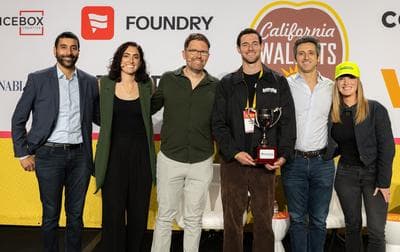
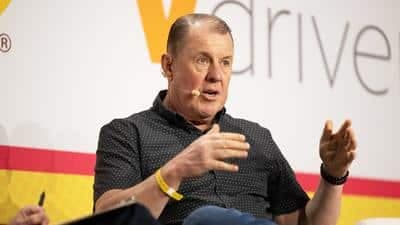
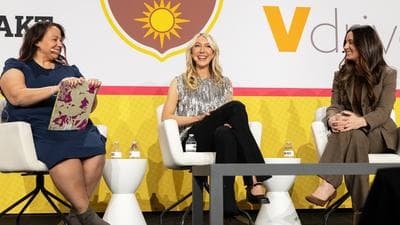
Speaker 1 [00:20] The winner of the two day competition will receive a $10,000 ad package and join a short list of brands that have triumphed in the competition, including Lentiful, Kokata, Savoorly, and Sunny. We have founders representing 6 early stage brands presenting today. Each will have 4 minutes to present and receive 4 minutes of immediate feedback from the judging panel. If they attempt to go longer than the 4 minutes they have in the presentation, they'll hear the dreaded gong. Don't want to hear that, presenters. Three brands will present now and 3 more later this morning at 11 a.m. After all the brands have presented, the judges will convene and will announce the winner live here on stage at 12:45 p.m. that's Pacific time. We'll also have a short winner interview with the winner after the announcement. Let's introduce our esteemed judges, beginning with Luke Abbott, who is the founder and CEO of VD Driven. Luke is a serial entrepreneur, consultant, and a leading voice of innovation in the food industry. As the former president of Monterey Provisions, a national food distributor, he scaled the company's revenue from $32 million to over $250 million while successfully launching three startups. Today he leverages deep expertise and industry connections to help emerging brands scale and dominate the retail market. Well done, Luke Abbott. Up next, my dear colleague Jackie Bruglira, who is the director of marketing for Bevnet Nosh Brewbound and Taste Radio. Jackie is passionate about the food and beverage industry, specifically its cultural and environmental impact. I wish I could say more. We just don't have another hour or two to talk about how awesome Jackie is. He's also a hell of a basketball player, Jackie Bruglira. Next we have Will Korertner, who is a partner with Prelude Growth Partners. Will has significant experience working with small, high growth, and large global consumer companies. Prior to joining Prelude, Will worked on the private equity investing team at Goldman Sachs, principal investment area. Where he evaluated investment opportunities in the consumer and retail sectors, Prelude just closed its third fund as well. How much was that? $600 million. $600 million. Just a small amount of money. So you might want to talk to Will after the show, Will. Last but certainly not least is Ashley Rogers, who is the founder of Shelf Made CPG. Ashley is a serial CPG founder with 4 successful exits, more than $100 million in retail sales, and products placed in over 40,000 stores nationwide. She has built and scaled some of the industry's fastest growing emerging brands, turning early stage concepts into category leaders. Today, Ashley is the founder of Shelf Made, a fast growing community and education platform where she helps thousands of CPG founders launch, grow, and scale their product-based brands with confidence. Ashley Rogers, thank you. All right, I think it's time to get to our first presenter of the Pitch Slam. Let's give it up for Laura Dadup of Joblo sauce. Come on up. Hello. Great to see you. Your microphone, your, and please keep an eye on your timer.
Speaker 2 [03:41] Thank you. Quick show of hands, how many of you here love hot sauce? Filipino food. Now, before today and yesterday, how many of you have ever tried a Filipino hot sauce? Exactly. Hi, I'm Laura Dadup, and I'm used to being on stage, but usually behind a bass guitar. I'm a Broadway actor, musician, mom of 2 under 5, and founder of Joblo Sauce, a bold, bright Filipino hot sauce inspired by the flavors of the Visayas, where my family's from. Our recipe was born long before I was. My dad created it in the 70s when he came to New York with $25 to study music. He couldn't afford a plane ticket home, so he matched New York produce to the flavors he grew up with. Joblo was really born at my wedding. We bottled Dad's sauce as favors so that guests, most of whom had never tried Filipino sauce, could experience my family's story. My husband included, when he first tried it, he drank it like a shot. It was then I realized our sauce isn't just heat, it's connection, and people wanted more. 9 years later, our sauce is bold, unstrained, and vegetable forward. You don't miss out on any of the ginger and garlic fiber because we don't, we keep all of that pepper goodness in. Uh, it tastes exactly the way that my dad learned to cook with his mom, with warm, comforting heat that helps, not hurts. And Filipino food is having a moment. Kassama, 2 Michelin stars. Korra, viral Waitlists. Gua Lorde right here in LA just won the James Beard Award. Jollibee US has 81 US locations and growing, which is showing the mainstream appetite has arrived, but grocery hasn't caught up yet. In the global spicy aisle, you'll see rows of Latin style sauces, sambals, chili oil, sriracha. Trader Joe's is testing Filipino dishes. Fila Manila just won Walmart's golden ticket, but of all the mango habaneros and buffalo sauces, there's no sauce screaming Filipino heat front and center on the label. Jablo fills exactly that gap. We're a scrappy company from Queens, uh, but people go out of their way to pay for shipping across all 50 states. We're in 40+ independent retailers and 90% of our demos we convert into sales, and this is everyone's. Second job. Awkwafina first featured us on her Comedy Central show, then Hot Ones amplified everything. That year, annual revenue jumped from 130 to 1810, and we've sustained that boost ever since. Filipino heat might sound niche, but that's not what we're seeing. People say our sauce is versatile, addictive, and unlike anything they've ever seen on the shelf. With 89% of US dining happening at home, people are looking for affordable ways to create restaurant quality meals, in their own kitchens. Filipino-inspired dishes are up 50%, reported by Taste-Wise. Gen Z. Is driving that increase, and Joblow's 5 ounce bottle only has 28 servings, which is under 50 cents to bring bold, authentic Filipino heat to whatever you're doing. What's next? We're doing a rebrand so you know who we are and what we do on the bottle. We're looking for one natural retailer to scale to see that velocity, and we're pursuing vertical integration with farmers in the Philippines because for every authentic culture. product on the shelves that is not made by or benefiting the people of that culture. I'm proud to tell my family's story and give the rest of America the plane ticket my dad couldn't afford. Thank you. If you are an investor or someone that has any advice on how we can grow this company with integrity, I'd be so happy to talk, and I hope you enjoyed it. It's out with breakfast, so if you want to run out and try it, please do.
Speaker 1 [07:43] Yeah. Outstanding. Uh, you can line up there. It says hi Ray, but that's it's supposed to say hi Laura. So yes, hold on. Uh, so your dad was doing shots of jobless sauce at the wedding. My husband, your husband, excuse me, yes, uh, Luke was doing some shots this morning of Job sauce as well.
Speaker 2 [08:05] That's the intention.
Speaker 1 [08:06] Uh, a lot of hot sauces out there. How'd this one taste? Tasted really good, very complex flavor, delicious, unlike anything I'd ever tasted before, but in a good way. Great job. Thank you, yeah. Uh, Laura mentioned that Filipino food is having a moment. Jackie, you're seeing that. Are you seeing that in Jablo sauce itself?
Speaker 3 [08:21] Yeah, I think it's definitely having a moment. I would love to see it more on the packaging. I think, as you said, you're going through a rebrand. I'd love to hear more about that, but I think that gets a little bit lost. Like if you go to your Instagram, you go to your website, I see everything about your story, but I'd love to see that personality and culture come through. Yeah, do you want to talk about the rebrand?
Speaker 2 [08:39] Sure, um, so we're actually working on a full rebrand right now. We started out with just simplicity. We wanted to show people the texture because that's the thing that's the most unique about our sauce compared to other sauces, and, um, we realized that a lot of people don't know what Filipino heat is when you think. About Filipino flavor, you think sweet, savory, sour sinigang is one of the top 3 soups in the world, um, but people don't think about spice. As, as you go further south, the food is stewed with ginger, garlic, the heat of a bird's eye chili, and it's heat that makes you feel hugged rather than hurt. So, um, we want to show that on the bottle showing that where we're from, as you can see in this picture right here, that's kind of what I was going for with the rebrand of like where the inspiration comes from the, the wet markets of the Philippines with fresh produce and, and you know where the farmers are pulling from.
Speaker 4 [09:30] I think saying that on the front of the packaging too could be super impactful like Filipino hot sauce and really leading with that. Is that part of the plan?
Speaker 2 [09:37] Yes, yes. So, um, what, uh, what we're going to do is we're going to probably just go away from the clear packaging and have maybe a little bit of it like featured in a cutout or something, an overlay underlay, um, and then we would want it to scream Filipino heat because no one is screaming that on the shelves.
Speaker 1 [09:55] Yeah, well, uh, very crowded, competitive category, hot sauce, but what do you think of the market opportunity for a Filipino hot sauce like Joblo?
Speaker 5 [10:03] Uh, I think there is opportunity. Um, my firm, and we, we partnered with Bachan's, the Japanese barbecue sauce when they were very nascent and they've been a great success. We've partnered with Fly Bai Jing, a modern Chinese condiment brand, when they were nascent, and they have been successful as well. And as we think about growing and scaling brands, just like yours, I think Filipino hot sauces, is poised for a lot of market share, um, opportunity, but there's a balance, I think you need to strike between being accessible to the consumer and giving them an on-ramp to join you. In that flavor profile in your journey without being too overly authentic to the point where they're not able to sort of understand what, what they should, you know, do with it and how they use it, what they should expect, and I think you have skewed maybe a little too accessible, which I think your rebrand will help recalibrate. I like the way you're sort of thinking about that, um. I really like, honestly, the unstrained, the bold, the visual appearance of the product in the bottle was really distinctive. Um, I like nicely spicy on your shirt. I like that's really funny, um. I don't know what the brand means. That's what my question to you is. What does Jablo mean?
Speaker 2 [11:10] Sure, in my dad's region in the Philippines, all the I's are pronounced as J's. So when he first created the sauce, he was saying Jablo, and I heard Jablo, and we've got Manny Pacquiaao as a representative of the Philippines who's a boxer, and it's a playful way to show that we, we have a punch, but we're not, we're not here to knock you out.
Speaker 1 [11:30] Got it. Ashley, uh, you've been up on stage here as a competitor in the Pitch Slam. Uh, what do you think of Laura's presentation?
Speaker 4 [11:37] I, I mean, I love it. I know how hard it is to get up on stage and I love what you're doing. Um, some questions that I have, so you did 181,000 your first year in revenue, mainly on to consumer.
Speaker 2 [11:47] That was, um, actually our fifth year. We were featured on, on Hot Ones that year. So we were a very small scale company. It was everyone's kind of like just passion project. We were in theaters in New York pushing it in the lobbies, and it was something that I did in my spare time. We got the call from Heatonist, um, and they said you're going to be on. Ones, uh, are you ready to make 50,000 units? And we, uh, partnered with a co-manufacturer who helped us meet their MOQ, and that was where we realized we could meet a national scale if we, if we translate our recipes and migrate them over to a larger scale. Um, that year when Bobby Flay talked about our sauce on the show, he said it was a really delicious hot sauce. He talked about the flavor profiles that he noticed. We got an order every 10 minutes. Um, I was packing them by myself. My kids were putting stickers on the boxes. It was a wild time to be alive, but that year we hit 181. My accountant thought I was joking. Yeah,
Speaker 4 [12:47] I think direct to consumer could be like a strong way to launch the brand, maybe versus retail just to build that brand awareness and that story and then enter that first retail. Yeah,
Speaker 2 [12:58] that's what we're working on. We're on the ground looking for our customers. They're coming back and looking for us at Fancy Foods. Someone tried to take my demo. Um, but yeah, we've got a woman, actually this is a great story. On Sunday I was at a market and this woman didn't taste it, but she was like, My son in San Francisco loves it. I'll order it. And I was like, Sure, she won't. I'm on the plane on the way over here, and Norma, uh, she ordered her son Steve sauce in San Francisco while I was flying over here, um, and I knew, I knew it was her. She's like, My name is Norma. My son's name is Steve. Don't worry, you're going to see me. I love your
Speaker 4 [13:29] passion. Thank you. Yes,
Speaker 1 [13:31] unfortunately we have to wrap up, but very well done, Laura. Thank you so much. Great job. All right, up next we have the great Cynthia Duran from Zinca Foods. Come on up, Cynthia. Hello, good to see you again. Your mic, your clicker, and your timer. Please keep an eye on that one.
Speaker 4 [13:53] Hi. Good morning. What if finding frozen Latino food at your local grocery store was as easy as finding a frozen pizza? Hi, I'm Cynthia, founder of Zina Foods. I'm a first-generation Salvadoran American born and raised in Los Angeles. My mom taught me about my heritage through her incredible cooking. Life wasn't easy. My mom worked 4 jobs, and one of them was selling pupusas at local markets. Every Saturday, I would help her, learning not just how to cook, but the value of hard work. I later moved away to pursue a career in data analytics, but no matter where I moved, I couldn't find good quality frozen Latino food, especially the Salvadoran comfort foods I grew up with. Finding ethnic foods outside metropolitan cities is tough, but the freezer aisle is changing. New brands are proving that consumers are eager for more ethnic variety. With 62 million Latino consumers seeking premium Latin foods and another 30 million exploring global cuisine, there's a growing appetite for diverse, high-quality frozen meals. I wasn't alone in missing my comfort food. Zina Foods is the first Salvadorian frozen food brand in the American market. At Cinco Foods, we manufacture high-quality Salvadorian meals that are easy to cook and that everyone can enjoy. Currently, we offer three delicious varieties of our pupusas. First, we have beans and cheese, my bestseller, and my mother's recipe. Then we have my childhood favorites, loroco and cheese and zucchini and cheese. What makes our pupusa so special is that they taste homemade, but we manufacture them in our facility in Arlington, Washington, where we use 80% renewable energy and source our ingredients from local farmers whenever possible. Having my own manufacturing facility means I can ensure we deliver the highest quality products. And we've seen results. We've seen 300% growth year over year fueled by the growing demand for ethnic frozen foods, a category expanding at 8.3% annually. Zina Foods started as a direct to consumer brand, and now you can find us at 200 stores across Washington, Texas, and Northern California. And in 2026, we'll be launching at Whole Foods through the Whole Foods Sleep program. We are what's now and what's next. We're not chasing trends, we're setting them as a Latina owned self-funded company, we're ready for the next step in our journey. Our product doesn't just resonate with the Latino community, it resonates with everyone. If If you want to experience a little bit of my culture, please, please visit a grocery store and pick up a bag of our products. Or if you don't find us at the grocery store, make sure to share our story with your amigos, amigas, and your familia gracias.
Speaker 1 [16:58] You can hang on to that, and I'll take the clicker for you. Well done. Excellent job. Here you can pull up here. And let's start with Luke. Luke, are you familiar with papusas? You're familiar with, uh, El Salvadoran cuisine. I've had them before, and I, but I do worry about whether all Americans or many Americans really know what they are, um, and that's very prominent on your packaging. I just wanna say the product tastes great, and I can imagine using it as a base if I was like to add other ingredients or hot sauces or things to it. Um, I, I think that's the one challenge I see is like if I don't know what that is as a consumer in the first couple of seconds, I, I, I may go on to something else. I think that would be, that'd be sad because your product is really good.
Speaker 4 [17:37] Thank you. Yeah, so with our new packaging because we're updating our packaging, so next year we're rolling out, uh, it's not going to be in a bag, it's going to be in a box. We'll have more, uh, suggestions in the back of how to eat and how to pair it as well because, uh, this product is so. Versatile that a lot of my customers tell me how they eat it. So like for the beans and cheese, they tell us they put an egg on top and eat it for breakfast or for like the loroco and cheese or the zucchini and cheese, people make it into a taco. So those are things that we suggest on the on the packaging.
Speaker 1 [18:08] That's a great idea. And when you go to the box, one suggestion I don't know if you've heard it before, but the more narrow you can go and maybe taller, they can be better because they have such limited lineal space in the set.
Speaker 4 [18:19] Yeah, yeah, we're definitely thinking. About where it's going to be and we're thinking about that. Perfect. Thank you. Yeah,
Speaker 1 [18:24] let's stay on that. You know, on Tas Radio we talk a lot about label hierarchy and there were some comments in the sampling room about Zina and where things might be in terms of its next iteration. Jackie, what are your thoughts?
Speaker 3 [18:35] Yeah, I feel like there's still more education to be done with the word papusa like and what a papusa is, and that is obviously prominent, which is great, and the product imagery is great, but Zinca kind of gets lost. Um, I feel like the brand should be, you know, very prominent, especially in the frozen set. Like people are just scanning very quickly, and you want to make sure that the hierarchy is right. And I think you said you're rebranding, which is great, but I feel like this feels a little bit sterile for all of like the culture behind this product and the flavor and maybe bringing some of that to the pack.
Speaker 5 [19:12] I totally agree. Just to jump on that narrative. Based on what you just said, your presentation, which I thought was excellent, by the way. There should be something on the packaging about, uh, bringing you back home with the, with the cooking or come visit my home or something about how this is what, um, you know, is so authentic in your experience and I don't know what Zina means, um. To me, it's just a, a, a word, but to you it probably has a meaning and it's not really clear to me. Papusa also is, you know, I'm lactose intolerant, so I'm totally, I don't have a dog in this fight because I can't eat it, but it looks delicious. I would think explaining and doing some more consumer education on the packaging would go a long way, um, because you want to have, I think you're gonna struggle or it would be great to have as high a use occasion as possible for this, not just. You know, this is like a probably pretty versatile product you could eat a lot of, a lot of different ways. So
Speaker 4 [20:06] yeah, and I agree with both of them too. My question is, as you're in quite a bit of retail doors right now, how is the velocity in those stores that you're currently in? Our velocity is great. Um, I know that I don't really, I don't know how if I translate into a percentage, but I know that right now we're selling. Around average 4 to 6 bags per store per week. Um, I don't, I know this is, are you demoing product? Is that organic demo our product. That's where a lot of our investment goes to with, with marketing. I think that's great for you guys. Yes, uh, so that's where we spent a lot of our time because demos are key for us. Normally when we demo we sell out our case and then we normally have like roughly around 1015 cases. So, uh, so that's a lot. Um, so when people try the product it sells really well and then for like, you know, to answer your questions as well about our story, that's something that we are putting onto the box now since we'll have more space in there versus the bag because the bag kind of limits our real estate there so we are making changes to that. Yeah, and the fact that you guys, I mean, you're in quite a bit of doors and you're going into Whole Foods, which is huge, that's such a big opportunity, but I would nurture that with everything that I have in me like. I'd almost pump the brakes on retail and really lean in and start diving deep in the accounts you're in because that story is what's going to get you in all these other accounts. Yes, and that's what we've been doing. So that's why our growth hasn't been as quick since I started 4 years ago and I've been very strategic as to how I grow in the stores that we work with. So like Whole Foods is going to be like one of the only stores that we launch in for 2026 just to make sure that we. We can take care of all of our retail partners. Yes, nurture the hell out of Whole Foods.
Speaker 5 [21:46] No, no more direct to consumer shipping too, I would say. Yeah,
Speaker 4 [21:48] we, we've moved away from the home shopping network, which is a great learning experience for us since we were shipping nationwide that way, um, but it was great for us to get some insights and data as to where our consumers are and like where should we be focusing our efforts in the future as well and where our product can do well.
Speaker 1 [22:04] All right, great stuff. Very well done, Cynthia. Thank you so much. All right. Our last presenter for this part of the pitch slam is Michael Fisher of Rotten. Come on up, Michael. Hello, good to see you again. Your microphone, you're a clicker, and please keep an eye on your timer.
Speaker 6 [22:33] All right. Good morning, Nash. My name is Michael Fisher, or today, maybe more appropriately, Doctor Rotten, uh, founder of Rotten, and we make freakishly delicious candy without the sugar crash. But before we get to the worms, let's talk about what's happening in the candy aisle today because it's a massive category and it's changing very, very rapidly. Non-chocolate candy is having a moment. It's up 13%, outpacing chocolate growth almost 2 to 1, and Gen Z and millennial generations are really driving this growth. They're seeking out new textures, experiences, flavors. They're wanting to share it on TikTok, and quite frankly, they're just bored of the basics. But there's a massive barrier for a lot of people, and that's health. Over a third of consumers in our category are cutting back on candy, with the primary reason being health and diet concerns. They look at the current options and they see empty calories and artificial junk. They want to indulge, but the guilt is stopping them cold. Enter rotten. We took an opportunity to disrupt this category by bringing the fun back. We took the gross out culture of the eighties and nineties, think the slime, the freaks, all the nostalgia, and we built a better for you brand that doesn't have to feel like a compromise. Because let's face it, the healthy candy shelf is really a sea of sameness, bright solid colors, polite fonts, and the same claims plastered everywhere. Quite frankly, it's all very safe and a little bit forgettable. Rotten is different. We are 6 times as memorable than the average brand. We have a cult following so strong that people are literally tattooing our mascot, Frankie on their bodies. You don't get that kind of loyalty by being polite. The press gets it too. Forbes calls us a pioneer, noting that we aren't just a healthy candy, but a cultural shift. We are making better for you actually cool. And that cool factor has opened massive doors. We are now sold in major retailers like Sprouts, Walmart, Kroger, Albertsons, and Dick's Sporting Goods. But we don't just win on branding, we win on product too. We slashed sugar by up to 70% and replaced it with prebiotic fiber for gut health. We use real fruit, vegetable, and superfoods for our colors, so no artificial dyes ever. And the result is amazing reviews from our customers. We let consumers indulge, feel good about it, and actually want to share about it. And we aren't done innovating there. We adapt quickly to trends, so spicy, sweet and spicy is up nearly 300%. Gen Z wants intensity and exciting new flavors and so we launched spicy sour gummy crunchies recently nationwide with sprouts. It's sour, then spicy, then sweet. To launch it, we stayed true to our feed your freak mantra. We went to Jed Perkins, one of the actual pepper farmers, uh, who grows our peppers and let him do the talking. Watch this. Spicy candy comes from spicy farmers
Speaker 1 [26:11] like Jed
Speaker 6 [26:12] Perkins. These are crunchies,
Speaker 1 [26:14] and you are gonna spice them up. So, how long is a typical Shut your mouth. I'm working.
Speaker 6 [26:27] So authentic, unfiltered, and most importantly memorable. That authentic marketing is driving serious results.
Speaker 1 [26:40] You can clap now for Michael. Very well done. Hang on to that and you can slide over to the X here. Outstanding stuff. It's actually the person who has a tattoo, uh, on the back of his neck is my dear friend Adam Hertel. It's a rotten tattoo if you want to see it up close, you can ask him later on. Uh, Ashley, let's start with you. I love candy. I have a hard time eating it because a lot of it's not so good for you, but you know, as we're seeing, Better for you candies having a moment. How do you evaluate rotten within that moment? Yeah,
Speaker 4 [27:09] I mean, I, I just exited the chocolate world, so I know the whole candy world. I, I love what you guys are doing. I get it, like the liquid death of candy. Um, my question for you is you're in a lot of retail right now as well. Where is the product performing best? Like, is it performing better in natural or conventional? Where is it resonating the most?
Speaker 6 [27:29] Yeah, so we're, the way we're approaching the market is because candy is so indulgence driven, we are really trying to meet customers where they are so that when they get that craving, rotten is there. So we are testing both conventional and natural, um, you'll see kind of some stats up there we're performing very, very well in natural, um, and then we are, we're doing very well in the conventional test too, so we're expanding in Walmart, um, we're in, we're doing some CSTOR tests now we're in the top 15 SKUs at a CSTOR chain in Utah, um. So product is actually working in both, but I think we're seeing far and away like we're becoming a category leader in natural.
Speaker 5 [28:08] I think you're a top, a top player on Amazon too, are you not? One of your SKUs isn't top, top seller on Amazon, which is probably the biggest, fastest growing, most important retail account there is. And frankly, I would, I would put my money there, um, at the moment, I think this is a, this is a category that is to your point. Changing extremely quickly. I think you have a really great product proposition to sell on Amazon and it lays on an amazing foundation for when you go into the store. My, um, concern for your rollout in the store right now would be, I don't know if your price pack is really optimized as it should be. I think there's work to do around, you know, what should it be the same size everywhere, how are you pricing it across channels and Amazon. It buys you a lot of time to figure that out and scaling rapidly building those reviews. What is your retail
Speaker 6 [28:56] price? Yeah, so we have two sizes. We have a 1.8 ounce and a 5.3 ounce. Uh, SRP is 399 and 999.
Speaker 4 [29:05] I think that's a good price point for retail, right? 399. That's, that, that's pretty solid compared to what your competitors are priced at.
Speaker 6 [29:13] Yeah, we're like competitive, yeah, in the, in the market, and that, that's our most popular size in retail is that 1.8 ounce.
Speaker 4 [29:20] I do agree, like leaning into direct to consumer and Amazon though, because I saw you guys have a massive social following, like really leaning into that. Like that could help drive brand awareness and into the retail stores,
Speaker 1 [29:31] yeah, yeah. Jackie, let's talk about packaging. Uh, you know, we saw 4 other brands in one of the slides, and Rotten, a very different kind of look. How do you think about Rotten in terms of its package design and sort of vibe as a brand?
Speaker 3 [29:44] It's definitely a vibe. I love the vibe. Uh, it makes you pause. I mean, there's so much out there that you can quickly scan over, but There's an edge to it. It's ironic, uh, there's a lot of humor. You're not taking yourself too seriously and you shouldn't be taking yourself too seriously with candy. Um, I just wonder, like, who are you targeting? Like, are you targeting kids? Are you targeting adults that want the Nostalgia. I mean, are parents going to trust you with their kids? Yeah, who are you targeting?
Speaker 6 [30:16] Yeah, so it's, it's a great question because I think it does apply to both, but when we think about our marketing and who we're trying to speak to, it is that adult, that 25 to 45 year old who, you know, is nostalgic for those times, is starting to think more about their health, but. We definitely have a lot of experiences where we hear from customers where the kid looks at it, loves Frankie Freak on the packaging, and the parent, you know, is happier with the ingredients too, but definitely focused on our marketing messaging to
Speaker 5 [30:45] the
Speaker 6 [30:45] adults.
Speaker 5 [30:45] You know why it works? It works because it tastes fantastic. The taste is excellent, excellent, excellent. It tastes better than everything else on that page next to you. If it wasn't, if it didn't taste so good, it's a dangerous game to play calling it rotten. So as long as it tastes great, which it does, it's, it's really Luke, you
Speaker 1 [31:00] get the last word, and I'd also love to hear your perspective on the functional aspect of rotten. Yeah, I love how you chose like on the front of the package of these like fruits and vegetables for the coloring, which I, I love a lot. My nine year old, by the way, is obsessed with your product. We saw it at Sprouts. He's never begged me for candy at Sprouts before, which is great. I just have one quick question for you on channel strategy. You're mentioning Walmart, you're also playing with Sprouts. I know Sprouts is in the room today as well, but it's like, is, is there, is there some concern about going too far into mass and conventional before you've completed natural?
Speaker 6 [31:33] I think we're focused on testing things slowly but not limiting ourselves to a single channel so like we've decided, you know, we're not gonna only grow in natural before we approach other channels because we think our customer is shopping at all of these places, but we are being cautious about not. You know, launching in 4000 Walmarts.
Speaker 4 [31:56] I think that's the right approach too, as long as you know your pricing strategy for each market like before launching into them.
Speaker 5 [32:03] I would say I agree and for the Sprouts buyer out there, don't go into Sprouts unless they give you a brand block with all the skews you want. You will be lost on the shelf next to all the other candy brands, and if you can get your full assortment there, people can understand. Oh, this is really interesting. You see it all, and otherwise you may get lost in the sea, particularly at a
Speaker 6 [32:19] thank you to Madison because we got our 5 skews. Yeah, great, well
Speaker 1 [32:22] done, well done. All right, unfortunately we're out of time, but great job, Michael. Well done. Thank you. All right, exciting stuff. Uh, round of applause for our 1st 3 presenters. Excellent stuff. We'll be back on stage with the final 3 presenters of the Pitch Slam at 11 a.m. You don't want to miss it right now. The judges and I are going to step off stage and I'm going to bring on my dear colleague Brad Avery, a senior reporter with Bevan and Nosh. I step off.