Search across the BevNET CPG Media network including BevNET, Nosh, Brewbound, Taste Radio, Nombase and CPG Jobs.
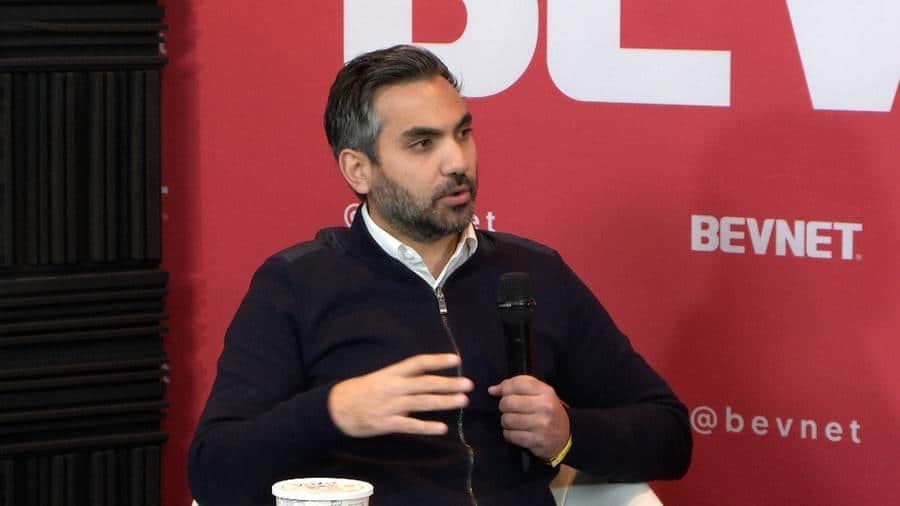
An Interview with Yaza Founder & CEO Christian Karim Khalil at NOSH Live
Transcript
Note: Transcripts are automatically generated and may contain inaccuracies and spelling errors.
Speaker 1 [00:10] We're gonna bring up our next guest, Christian Kareem Khalil, the founder and CEO of Yaza. It really is good to see you, and I'm so glad that we have this opportunity to chat because Yaza is in the midst of introducing a lot of really cool things. Before we go any further though, what is Yaza?
Speaker 2 [00:28] So Yaza and Yaza has changed over time since we launched. So Yaza used to be the authentic lebni in the market.
Speaker 1 [00:36] And what is lebne just for folks who don't know? So
Speaker 2 [00:38] lebni is what I grew up eating every single day of my life. It's basically the Greek yogurt, Lebanese version of Greek yogurt, which is straight Greek yogurt but savory, so it's thicker, creamier than Greek yogurt. It's very good for you. It has a lot of probiotics, a lot of protein, very low calories, and it's something. You can eat every day. So we have it growing up. It's kind of replacing your peanut butter sandwich. It's, uh, you know, we don't, we don't eat any sour cream or cream cheese. It's kind of lemon is there. It's what when your parents are lazy, just go make yourself a lemon sandwich, add some zaatar on it, add some different tomatoes, cucumbers, olive oil, olive oil, and just have that's your dinner. It's, it's,
Speaker 1 [01:13] it's similar in consistency to like a hummus, probably thicker than a lot of hummus is that you might have, but it's typically consumed on. eating occasions.
Speaker 2 [01:21] And we see here a lot of, it's a snack trend as well. It's a good snack to have because it's good for you and you don't feel the guilt. You can dip anything into it.
Speaker 1 [01:30] So Yaza started out as a company, but now you've evolved into a bit more of a platform company,
Speaker 2 [01:36] a Mediterranean dip company, as we saw the market market evolving and as we saw that the other dips in the market do not taste like home, I'm from Lebanon. And you know, Lebanese cuisine, the Mediterranean diet has been really growing with time and people want the restaurant experience at home. And the other dips are not tasting like home. No one's giving them the authentic products, the authentic, they're not using authentic ingredients. We saw opportunity there and we grew into a Mediterranean dip company. So we've launched Babaganoush. And mohammara, and for those who don't know, I'm sure everyone knows baba ganousj. It's an eggplant dip similar to hummus, but they use eggplant instead of chickpeas. Mohammara is red pepper, walnut, and pomegranate molasses, which gives you that rusty taste, and it's
Speaker 1 [02:21] really cool. It's less of a rusty taste. I mean, I think. You get a slight bitterness, a slight sweetness. It's, it's, um, some umami in there. It's a really, really delicious dip. And when you came to visit us at the office a few months ago, our founder and CEO John Craven, I think he, he stole all the Muham. He just, he was not letting anyone else get to it,
Speaker 2 [02:43] they're in the market so you guys can can buy it in stores. Yeah,
Speaker 1 [02:46] outstanding. You know, you and I sat down for a conversation that we featured on Radio in January, January, almost a year. And uh one of the things we talked about was uh how quickly you got into Whole Foods out of the gate. How are you doing in Whole
Speaker 2 [03:02] Foods
Speaker 1 [03:02] now?
Speaker 2 [03:03] So we're doing really well in Whole Foods, uh,
Speaker 1 [03:04] and you went national, almost like we
Speaker 2 [03:06] went national overnight. Uh, we're growing. I think we, we did the comps yesterday. We're 33% year over year because now we have enough data. It's been a year and a half with Whole Foods. We have enough data to compare, um, how the growth, and November to November is 33%, which is, I think we're very happy with the, with the results, and we've launched Mohammer and Whole Foods. Nice. So it's, is it? It's not national. It's, it's regional in the south, uh, and it started a month ago and it did really well last month. So it's really nice to see that, you know, consumers are, are learning more about Yaza. Well,
Speaker 1 [03:38] with the launch of the Muhamra and the Baba Ganousj also came a rebrand, which is really beautiful. This rebrand, um, you know, the original label. Um, was beautiful, but it was the, the font was much smaller on the logo itself. I think, um, you know, the flavor callouts were, weren't as pronounced as they are now. So talk, talk a bit about this, this rebrand and what went into it, what you wanted to make sure that was, what, what you wanted to make sure it was communicated, uh, about the products, about the brand as much as possible.
Speaker 2 [04:08] So, you know, Ray, in, in life, people make mistakes. The best thing is to, to
Speaker 1 [04:14] I've never made a mistake. I,
Speaker 2 [04:16] I, I make a lot of mistakes and I think my, I think the best thing for, for an entrepreneur is to realize the mistake is done as early as possible and try to fix it as soon as possible, but you have to accept the mistake. Put your ego aside, I love my old packaging. I, I think it was amazing. I still think it's amazing. On the shelf, it's really bad. People can't find it. I would go into stores sometimes, traveling the country, you know, I, I always visit stores and I can't find my product. So if I can't find it, someone who's looking for it, how can other consumers find it? So that, that was kind of the first uh um reason why we did the rebrand. The other reason why we did the rebrand, when we started, we started as a Lebni company. So as a Lebni company, we cared about, you know, one color background, every, every flavor had a different color, etc. But then now that we're adding A Baba Ganoush, a Mohamra, and we have another one coming out early in next year. So as we're adding those and we're thinking long term, how can we build a brand, not a product, and that's kind of why we decided to do the rebrand. So obviously the callouts are important. We had too much text. We had like the story of Lebanon and the history, and I'm like. I sat at the grocery aisles and watching people and no one cared. No one read that. And for those who care, it's on the website. There's a QR code, you can scan it on your phone and you can read all about the brand, the history, the company, our story. The packaging needs to call out. You know, people have 6 seconds while walking the aisle. They need to see the product, and the Muhammer is a new branding. The Lebni is not. And as you walk in Whole Foods, the Muhammer pops out, it's beautiful to see. And we're so excited. So the launch is happening tomorrow. Tomorrow is our first production run for the new brand for Lebne. It'll be in the market in the next couple of weeks. So we're very excited about that. Well,
Speaker 1 [05:59] thanks so much for sharing this introduction to the new brand here at Naj Live. Really appreciate that. I wanna touch on two things that you talked about that are really, really important. One, make sure that people can actually see. And understand what your product and brand is from, well, the, I think the general rule of thumb is 6 ft in 6 seconds, right? So it's like 6 and 6. You wanna be able for people to see it from a, from a distance of 6 ft and also be able to understand it very quickly. Um, also being in the store, you do store checks, you're, you're visiting these grocery stores as often as possible, watching how, uh, customers interact with your brand. I think it's so important. What's, what are a couple of things that you've learned beyond the packaging? What are a couple Things that you've learned about how customers have interacted with and perceived what you're selling.
Speaker 2 [06:50] So, customers really care about the ingredients. That's something I, I was told when I started the business, no one cares and whether you want to do a healthy product, a clean product, people don't care. Everything's about cost and price is the most important thing. Yes, price is important, but I felt customers are willing to pay the extra premium for good quality product. And a lot of companies, they shortcut, uh, because it's kind of, it's cheaper. We at Yaza don't believe in shortcuts. We want to give you the, the restaurant experience at home, the high-end quality, the way you would make it if you were making it from scratch. And that's kind of been the philosophy that's been a success at Yaza. And I, I sit on the aisle and I kind of talk to consumers after they put stuff in the basket, and I've had them, I've had consumers buy our competitor, and I've just got to go to them and kind of understand, not telling them who I am first, and then if they don't switch, then I will tell them. But I've had to understand why you're buying this, have you checked the ingredients? And they're like, no, we haven't. I'm like checked them and. And they're like, oh my God, I'm never buying this again. And they bring it back and they, they put Yaza in the basket. So we've had a lot of that. I think we do a lot of demos and that's helped a lot of the brand grow. So we've seen where stores where we do demos, our velocities are much, much higher because we build a community around, around Yaza and we're trying to, you know, we're adding brand ambassadors in different cities across the country where we're trying to build that community. Um, and I think every brand for it to succeed needs to have a community around it, a fan club, and we're, we, we love the, the Yaza fan club is what we always talk internally in the team. How do we build that and how do we build that loyalty long term, because whatever product we will launch in the future, they will know, they will trust that that will be the same standards, same quality, and same taste. Yeah,
Speaker 1 [08:25] find your tribe and uh that tribe of loyalists will definitely help your brand grow for sure. Uh, Kareem, I, I've, I can't believe we're out of time. I feel like we could just sit here and talk for the next 23 hours, but we've got Mike about to come up. Uh, and I, I gotta, I, I gotta say this, uh, you know, I just didn't think Arsenal would ever amount to much. And here we are, where they actually might win a trophy this season. I know you're a big Arsenal fan. I know this. And so congratulations mid-season
Speaker 2 [08:54] on a really good season. I'll take it. I'll take
Speaker 1 [08:55] it. Well done. Well done. Thank you. So good seeing you.