What Are the Industry Implications of Once Upon a Farm’s IPO?

When it comes to public offerings for food and beverage brands, it’s been quite a dry spell.
That’s why the recent announcement that celebrity-backed baby and kids nutrition brand Once Upon a Farm had filed plans for going public in a stock sale that some speculate could value the company at $1 billion turned heads.
If successful, could this proposed offering be the impetus for a shift back toward IPOs in the packaged food and beverage space? Some industry experts certainly think so.
“This tests whether public investors are willing to back clean, mission-driven food and beverage brands. You hear a lot about tech and AI, and those things are pretty sexy in the marketplace, so this will be a good test to see if there’s a market demand for food and beverage again,” said Will Bernat, co-chair of Nutter, McClennen & Fish, LLP’s food & beverage industry group.
“If there is market demand, it could fuel a lot of things. It could make growth stage investors much more willing to put money into these types of brands, because it presents a potential additional exit opportunity for them. It could also set a blueprint for other brands on what it takes for a successful IPO.”
Behind the IPO Slowdown
Following a record year in 2021 (over 1,000 IPOs, including consumer food brands like Oatly and Real Good Foods), fueled by near-zero interest rates and a surge in SPAC activity, the overall IPO market started to drop off in 2022 and remained muted in 2023 due to rising inflation, higher interest rates and economic uncertainty.
Overall, investment in the food and beverage sector has experienced a relatively slow recovery, with concerns over tariffs and supply chain disruptions dampening investor appetite for consumer product companies, instead favoring service-based or technology-enabled businesses. Public offerings have remained stagnant as well.
But OUAF has advantages other brands might not – its CEO, John Foraker, has run a public company before, taking Annie’s Naturals public before eventually selling it to General Mills. Co-Founder Jennifer Garner is a famous actress and mother who seems well-matched to the brand, and it has clear, clean food bona fides.
That means the entire industry is watching, however.
“OUAF’s IPO will test whether a mission-driven consumer brand with strong retail partnerships and cultural resonance can sustain growth while navigating the capital-intensive demands of scaling food production and distribution,” said Dominique Pierre Locher, chairman of online market Farmy, in a LinkedIn post.
While this year has seen a slight resurgence in IPO activity (282 so far), the market is now facing yet another roadblock: the government shutdown, which is preventing the U.S. Securities and Exchange Commission (SEC) from reviewing or approving IPOs. There’s also a significant backlog of filings expected depending on when the government reopens.
A prolonged shutdown could potentially increase market uncertainty and volatility, making it more difficult for companies to price their offerings effectively. Delays may also cause companies’ financial statements to become stale, further pushing back the IPO timeline.
Even so, Bernat does not believe the shutdown will deter companies that were already planning to go public from doing so.
“There’s a lot of uncertainty, generally speaking, when dealing with any sort of public entity. There are very few of them in any given year, so I don’t know that the government shutdown would change [a company’s] decision. Whether it slows down the process, that’s a wait-and-see,” said Bernat.
Inside the OUAF Filing
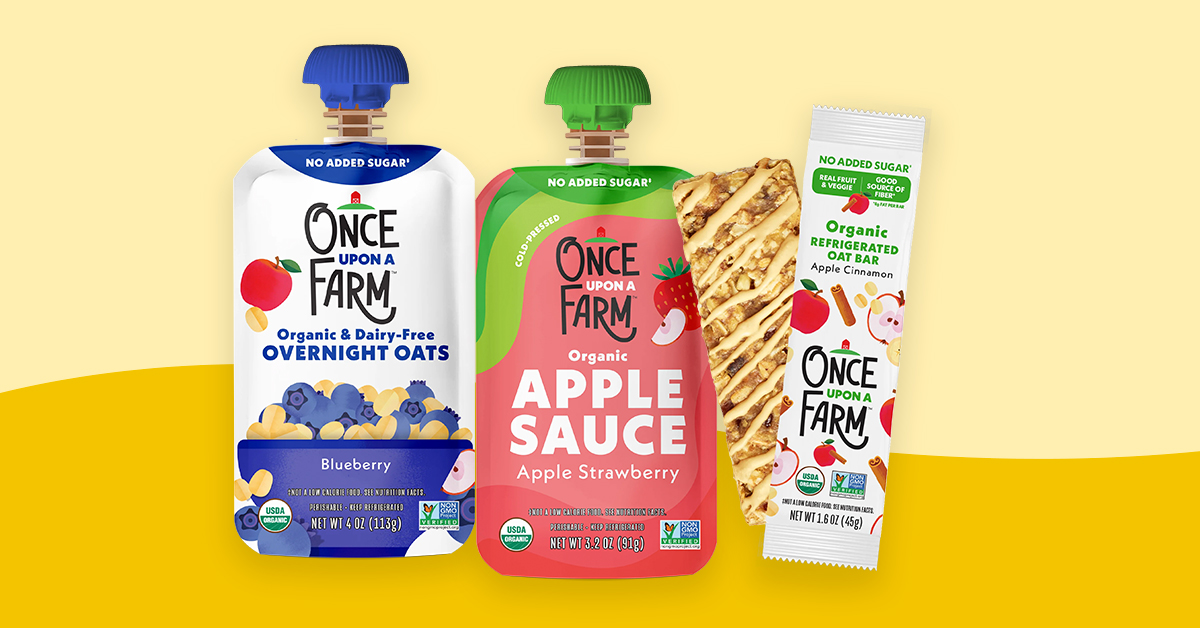
OUAF’s proposed offering comes amidst a period of significant growth. In the sixth-month period ended June 30, net sales climbed 68% to $110.6 million, according to the company’s SEC filing. The company’s success – including partnerships with major retailers like Target, Walmart and Whole Foods Market and a 47% repeat purchase rate among consumers with children – has helped bring a measure of attention back to the sleepy baby food category.
The company, founded in 2015 by Cassandra Curtis and Ari Raz, hit the market with a flagship line of refrigerated pouches. It has since expanded its portfolio to include oat bars, frozen meals and pantry snacks – a move that has proven fruitful. In 2023, pouches accounted for 94% of OUAF’s net sales, whereas in 2025, pouches accounted for just 68% of net sales.
Still, OUAF posted a net loss of $28.5 million during the sixth-month period ended June 30 and has yet to achieve profitability. Proceeds from the proposed offering will primarily be used to repay outstanding borrowings under a revolving credit facility, purchase new equipment for operations and general corporate expenses, per the S-1 form.
“Looking at the offering materials, it appears this is primarily for capital raising purposes, which generally signals confidence from existing investors. They’re not using it as a way to get liquidity; they’re betting on long-term value,” said Bernat.
Conversely, Iris Finance co-founder and CEO Drew Fallon suggests in a Substack post that OUAF is not ready for an IPO due to a lack of profitability and mounting debt, speculating it’s simply an investor-driven move for liquidity.
“There’s a lot to be excited about for OUAF, don’t get me wrong – but this is not a public market-ready company, and I suspect there are many different factors at play for this decision to go public,” wrote Fallon. “This is purely speculation…but at some point investors want a return, and it’s likely they have redemption rights, so the founders’ backs are against a wall.”
What’s Next?
Regardless of the key drivers behind OUAF’s IPO filing, the proposed offering, if successful, could open up greater opportunities in the market for consumer-facing food and beverage brands. For OUAF in particular, the move would help expand its cold chain supply and double down on additional product offerings.
“It will be interesting to see if the public market is ready to re-engage with mission-driven, better-for-you brands. I think they [are],” said Bernat. “[OUAF’s IPO] could signal some good things for middle-market CPG brands. If an IPO is a credible way to exit, that’s good news for investors. A lot of people will be watching this one to see how it plays out.”
That’s because, if it succeeds, it expands the set of exit possibilities for brands beyond simply selling to a bigger company or private equity fund.
“Public company requirements aren’t for the faint of heart, but don’t assume a sale to a strategic is your only option. Build an undeniable winner like [OUAF] and you will control your own outcome,” wrote Peter McDonald, a former leader at General Mills and founding partner of consultancy firm McDonald Strategy Partners, in a LinkedIn post.
Explore the Nombase CPG Database
Head to Nombase to learn more about the tagged companies and their offerings.