IWON Organics Founder Mark Samuel Returns With ‘Deeply Personal’ New Snack Brand

After founding and operating high-protein puffs and crisps brand IWON Organics for nearly nine years, Mark Samuel is preparing for his next better-for-you snack venture.
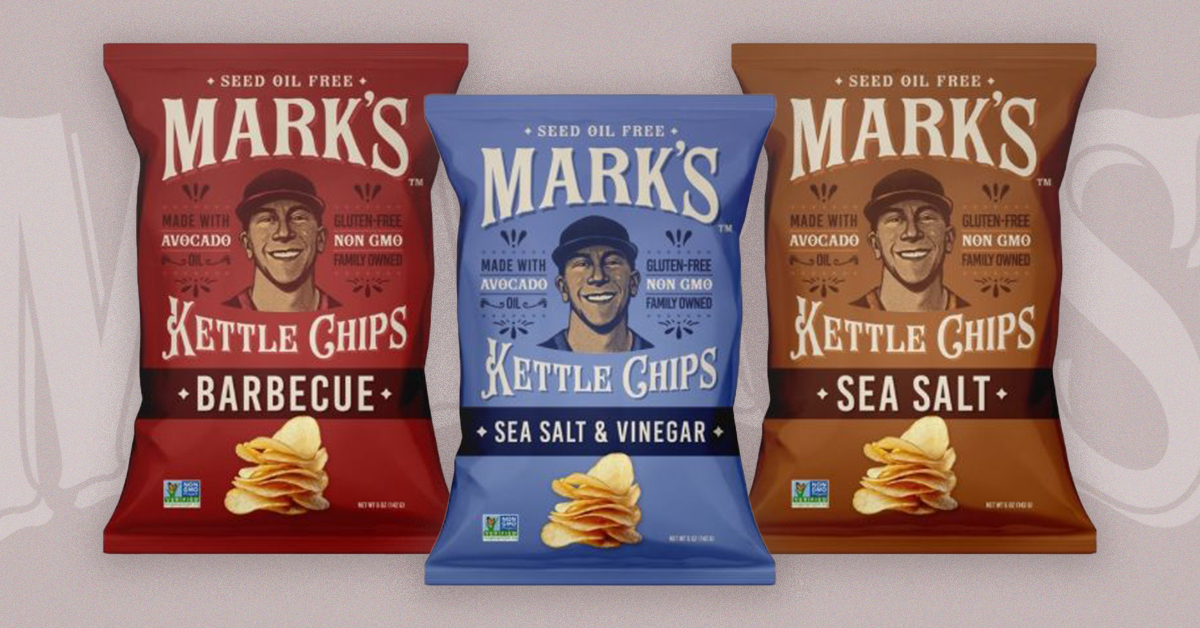
First announced on LinkedIn, the California-based entrepreneur is launching Mark’s Snacks, a non-GMO kettle chip made with avocado oil. The brand is targeting a July rollout with three flavors in 5 oz. bags – Sea Salt, Barbecue and Sea Salt & Vinegar – and is opting for a direct distribution model as it endeavors “to be a profitable business from the start,” Samuel told Nosh recently.
“There’s no doubt this can eventually be a platform for snacking,” he said, though chips are the immediate focus. “I’m being totally methodical about everything and wildly patient, which I learned from doing this before.”
As opposed to IWON Organics, Mark’s Snacks is taking a narrower approach to its SKU-count and its distribution model, focusing on building a dedicated consumer base that is currently “underserved” with nutritious snacks, he said.
“I’m a big believer as you know in the 80/20 rule of nutrition: 80% of the time eating nutritious, dense foods, and 20% of the time having snacks that you enjoy in moderation. A snack like ours is something that people can feel comfortable putting in their homes.”
After announcing he had left IWON Organics as Awakened Foods took over the brand’s management with a licensing deal in December, Samuel took on a “Growth” role at food and beverage equity firm Siddhi Capital in September. Through Siddhi, he was appointed as president of gluten-free bakery Unbun Foods “for a very brief time as that business was unraveling from a distressed situation,” he said, reporting he has not been with the brand since the beginning of the year.
During his time at Siddhi (which he still consults for), Samuel began to have conversations with CPG industry stakeholders about starting a new snack brand which could “fill this void that so many brands have a trouble doing in our industry, which is creating emotional connection with consumers,” he said.
The project is “deeply personal” for Samuel, aligning with his own core values of “faith, family, fitness and food.”
“People always overreach and think they need to get to 100,000 customers,” he said. “I’d be happy with 10,000. If the brand’s voice reaches enough people, I believe I can duplicate that process so that I am in the homes of other like-minded consumers who believe in what I believe in.”
Samuel’s strategy includes tapping into the network he developed running IWON Organics for about nine years, through consulting for other brands and through his podcast “Let’s Eat with Mark Samuel.”
“I’ve created a lot of really amazing contacts which I now consider really good friends,” he said. ‘Some of those people are really good at what they do in CPG and they want to help me.”
Mostly self-funded, Mark’s Snacks is about to launch a WeFunder crowdfunding investment to help subsidize its first production run. Along with tapping his network for financial support, Samuel is using his industry connections to target direct distribution. While opting to not use UNFI or KeHE will cut out retailers like Whole Foods Market from potential retail partnerships, the choice allows Mark’s Snacks to prioritize profitability as it avoids free-fills, chargebacks and deductions that can commonly plague startup brands’ margins.
“Margin is king for me,” he said. “You need to attack it, address it, confirm it and understand it right away at the beginning of the project. Ninety-five percent [of brands] don’t even get to scale so you have to fundamentally understand your margin and have disciplines in place to keep it.”
The brand plans to make its retail debut in the Northeast, Samuel said, having begun conversations with interested distribution partners. Mark’s Snacks will also use ecommerce channels like Amazon and TikTok Shop to establish its base of consumers.
On the West Coast, Samuel said he has also started having conversations with foodservice accounts at tech companies in his home region of Northern California to bring his new brand to workplace pantries. The brand is also hoping to bring products to the club channel once the brand gets off the ground.
“I don’t need this to be a $100 million company,” he said. “This is going to be a $5 million company. But it will have profit, it will have real margin with real cash flow and that’s the low-hanging fruit that I’m going to be focused on.”