DTC Meal Kit Brands Find Second Act in Retail Expansion

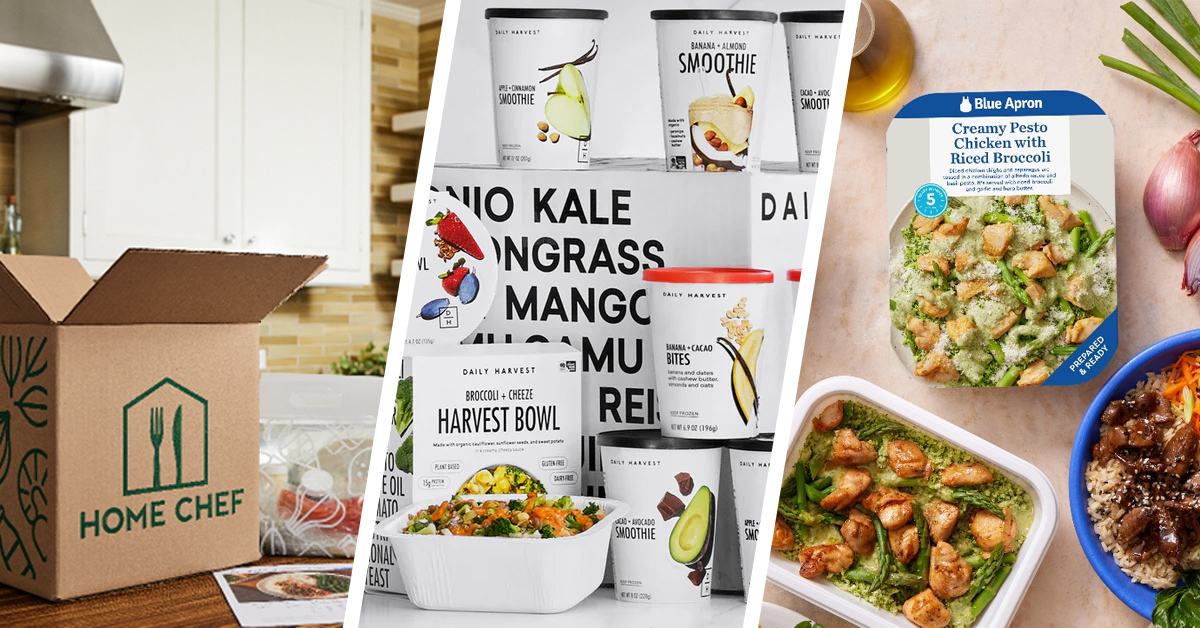
A decade ago, direct-to-consumer meal kit subscription services like Blue Apron and HelloFresh had blanketed the market with a strong pitch to consumers centering on convenience, wellness and quality ready-to-cook food they could have shipped to their doorsteps. During the pandemic, many of these brands saw big lifts and even bigger valuations as consumers stuck at home decided to try their hand at home cooking.
But today, many in the meal kit category have learned the limits of the DTC model. Momentum has been stalled for several years, and shakeout has led some companies to early departures. Others that found their exits did so at underwhelming numbers: Blue Apron, which touted a valuation as high as $1.9 billion when it went public in 2017, reverted to private and sold in 2023 to Wonder for only $103 million.
Increasingly, meal kit brands are seeking fresh revenue streams, from alternate product formats to retail partnerships, building new homes in the deli and frozen aisles of grocery stores across the U.S. where consumers have long been accustomed to seeking out convenient meal solutions.
While meal kits packages are still selling to loyal consumers, diversified business models appear to be the new normal for many of these companies.
According to Brittain Ladd, an industry consultant who has long been bearish on the meal kit space, some of the problems with category were inherent in the business model from the beginning: consumers were often frustrated by long cooking times and heaps of trash they created, while quality could also vary depending on the brand or specific meal they selected.
“A lot of these meal kit companies really misjudged the consumer,” Ladd said, pointing to past messaging from brands like Blue Apron that pitched the product as a fun and easy way to cook dinner. “The problem is that’s not what the customer wanted. The customer really didn’t want to cook.”
That issue is perhaps now reflected in how many meal kit brands have shifted to provide more heat-and-eat meals or embraced alternative models. As a part of Wonder, the restaurant concept and food delivery company that also bought GrubHub last year, Blue Apron earlier this month was integrated into its app delivery service to allow consumers to purchase meal kits direct and on-demand, without a subscription.
Brands that have continued to fare well in the market, Ladd suggested, have been companies like HelloFresh – which is well capitalized and acquired prepared meal brand Factor75 (now Factor) in 2020, while also entering retail via Ahold Delhaize in 2018 – or brands such as Home Chef, which was bought by Kroger in 2018 and is now a featured set in the grocer’s stores.
“This is just a category that never took off anywhere near what many people thought for the direct-to-customer [market],” he said. “Lots of them tried. Very few succeeded.”
“And, as we see, some were bought by grocery retailers – Albertsons bought Plated, Kroger buys Home Chef, but these companies are not direct to the home anymore,” he added.
Betsy McGinn, an ecommerce expert and founder of McGinn Ecomm, echoed many of Ladd’s criticisms of the category’s issues with consumers, noting that high input costs have also made it extraordinarily difficult for brands to be profitable while relying solely on shipping meal kits via the mail.
“The least expensive part of their business is their ingredient cost,” McGinn said. “It’s all the last mile costs, the acquisition costs, etc. I’m not sure the math ever really made sense.”
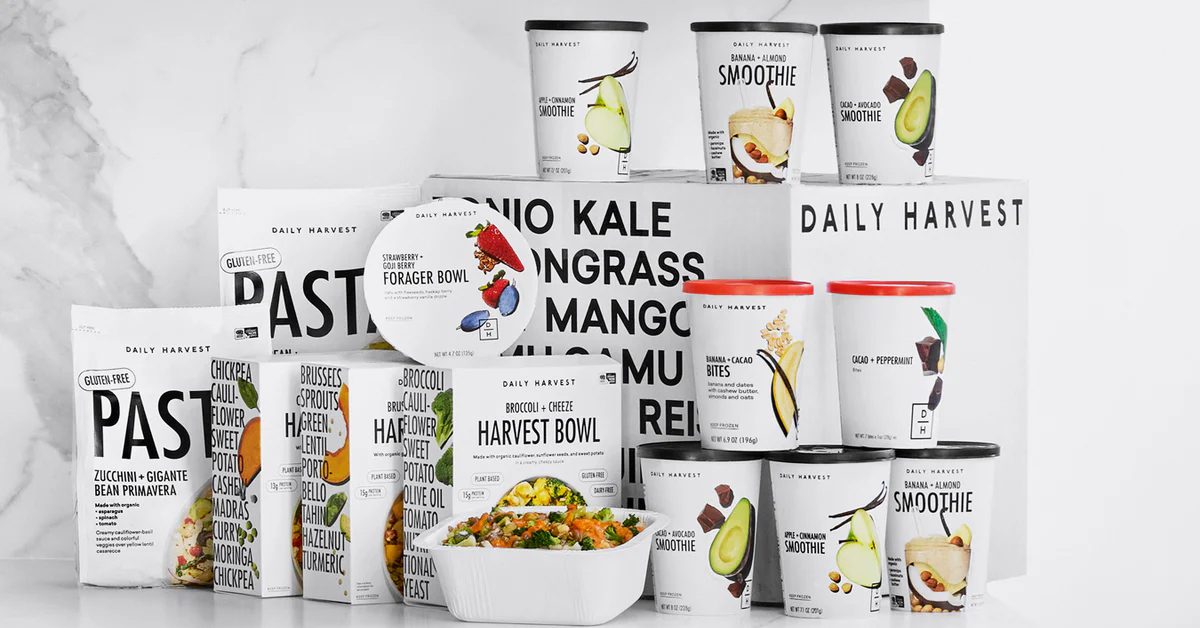
But some brands do still see the sun rising at the horizon. Plant-based DTC meal brand Daily Harvest has diversified its portfolio through the introduction of snacks and smoothies as alternative meal solutions, most recently introducing a protein smoothie line available for online order.
Those innovations are in addition to the company’s DTC meal products and a growing retail business with frozen meals available in chains such as Kroger.
According to Daily Harvest CEO Ricky Silver, ecommerce remains the bulk of Daily Harvest’s business and likely will stay that way for some time as he said the retail expansion is still early-stage. Silver suggested the goal for the business is to “stay focused on expanding each channel as the channel dynamics allow us to.”
“Relying on business fundamentals to make sure we’re being healthy in our growth patterns is key,” Silver said. “Over the next three years, I’m certain, retail will become a larger percentage of our revenue. But we’re not too anchored to one particular objective. Because we see how quickly the consumer shopping behavior changes.”
A big part of the move to get into retail, however, is that DTC growth has a ceiling, Silver said, stating that some of the brand’s data suggests that 85% of consumers prefer to do grocery shopping in person, meaning there’s large swathes of potential customers that Daily Harvest can’t reach without heading into brick-and-mortar.
“It’s a different consumer,” he said. “It’s a different shopping experience and it’s very incremental to our strategy long term.”