CIVC Names Cybele Pascal CCO, Adds Lil Bucks As First CPG Client

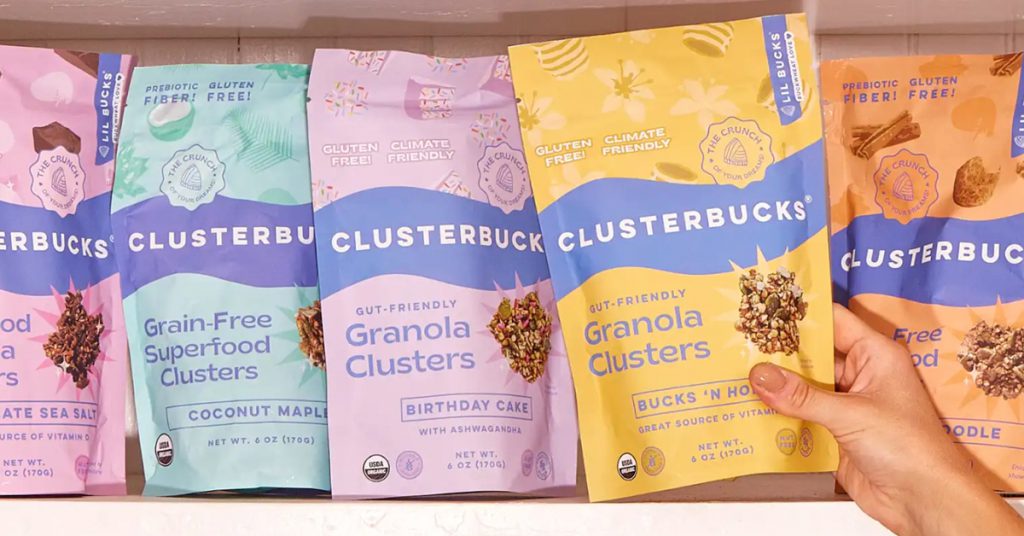
CIVC Montana, the small grain processing outfit led by Zego Oats founder and CEO Colleen Kavanagh, has some added allergen-friendly, ancient grain-supporting power to its business this past month – bringing on food industry pioneer Cybele Pascal as chief commercial officer and naming buckwheat-based snack company Lil Bucks as its first external CPG client.
Pascal, founder of allergen-free snack brand Free To Eat, comes to CIVC as the business is ramping up commercialization plans with aims to expand access to ancient grains and support emerging brands commercializing those inputs. By next week, the mill will begin dehulling buckwheat – a first in the region and a major step to achieving its farmer-first model, said Kavanaugh
“Colleen and I have been on this journey and this mission for many years to pioneer what was considered marginalized, allergen-free cuisine [in CPG],” Pascal said. “We pioneered [the space], the two of us in tandem, along with others… We’re doing a very similar thing here with regenerative and organic, which is the next frontier in CPG, as far as I see it… It’s a continuation of the path we’ve been on with new horizons.”
Partnering With Pascal
This new horizon and partnership has been nearly a decade in the works, Pascal and Kavanagh detailed, explaining that they’ve been “walking in tandem” toward this moment for many years. The two first met 10 years ago in a hot tub in Del Mar, Calif., while attending a gluten-free, allergen-free expo.
“In the hot tub, we were lamenting the co-packing situation and [saying], ‘Boy, wouldn’t it be great if someday you and I could get together and we could have our own values-aligned, women-owned co-packing facility, and we could actually help brands succeed,’” said Kavanagh.
After Pascal stepped away from Free To Eat, which combined with co-manufacturing business Awakened Foods last year, that became possible, she said. Pascal is no longer affiliated with Free To Eat or Awakened Foods, and her full attention is directed to CIVC where she will be tasked with building new sales channels to commercialize underutilized regenerative organic grains being grown in the High Plains region in Montana, Wyoming and Nebraska.
“Cybele has done an amazing job of taking what was a niche category going in and developing a product that tastes good to everyone, and building channels nationwide almost from the day she started,” said Kavanagh. “This is a whole new ecosystem model that we’re building out, Cybele is so gifted at… forging new sales channels and new pipelines, she’s never been restricted by how the system already works. That’s exactly what this whole CIVC model needs right now.”
Lil Bucks On Board
The location of CIVC’s facility – in Belgrade, Mont. – is an integral part of its goal to support not only packaged food brands that are creating markets for regenerative organic crops, but also for the farmers growing them and the end customers at checkout.
Take the company’s first CPG partner, Lil Bucks, for example. Prior to partnering with CIVC, the brand was growing its hero buckwheat crop in Idaho, then having to ship it over 1,000 miles to the eastern side of North Dakota for dehulling, before sending it south nearly another 1,000 miles to its co-packing facility in Illinois.
“These grains just don’t sell for very much,” Kavanagh stated. “So it just added so much cost in transportation… we’ll be able to save them a lot of money in shipping.”
As Kavanagh and Pascal see it, the lack of processing and dehulling capabilities in regions where these crops are grown handicap their commercial potential right out of the farm gate. Now, Lil Bucks’ primary input will follow a more linear route from Idaho to Montana and across to its co-packing plant.
“By investing in regional milling in places like Montana, we keep costs down, which creates real opportunities for the farmers, and then it grows consumer demand, because the end product is less expensive – that creates this sort of virtuous cycle,” said Pascal.
“The more demand we build, the more farmers can plant regenerative and organic crops, and the more impact we have on soil health and climate resilience. It’s this beautiful, collaborative, integrated value chain where we’re thinking about restoring from seed all the way to shelf,” she continued.
Flipping The ‘Margin Model’
In addition to bringing integral infrastructure to the region, CIVC is also “flipping the margin model,” with Kavanagh claiming the processor takes “half the typical margin” most facilities tack on in order to further support lower pricing and consumer adoption for these underutilized grains.
“Organic pricing, that margin model, is not set up to build organic acreage and to increase organic movement and to get prices down for consumers,” Kavanagh said. “Let’s say [one pound of conventional oats are] 20 cents and [organic are] 35 cents… I didn’t do anything for that extra 15 cents – the farmer did all that. But the traditional model takes that 35 cents and eventually just keeps multiplying it… So that extra 15 cents now becomes 60 cents to the consumer.”
Instead, CIVC is starting at the supplier level, assessing the cost of maintaining an organic program and pricing that out so it can maintain a baseline and then deliver that extra 15-cent premium to the farmer, rather than multiplying it and upping the cost for consumers. The company is also giving farming partners an extra 10% back in addition to the organic premium to help them grow and expand acreage, Kavanagh explained.
“We’re making the bet that we can make up the difference in velocity. If the entire organic industry would switch to this type of pricing, prices would go down by 25% across the board, on average, from my models for organic products. That makes a big difference.”
Explore the Nombase CPG Database
Head to Nombase to learn more about the tagged companies and their offerings.