Campbell’s To Execute ‘Surgical’ Pricing As Tariffs Loom, Snacks Slump

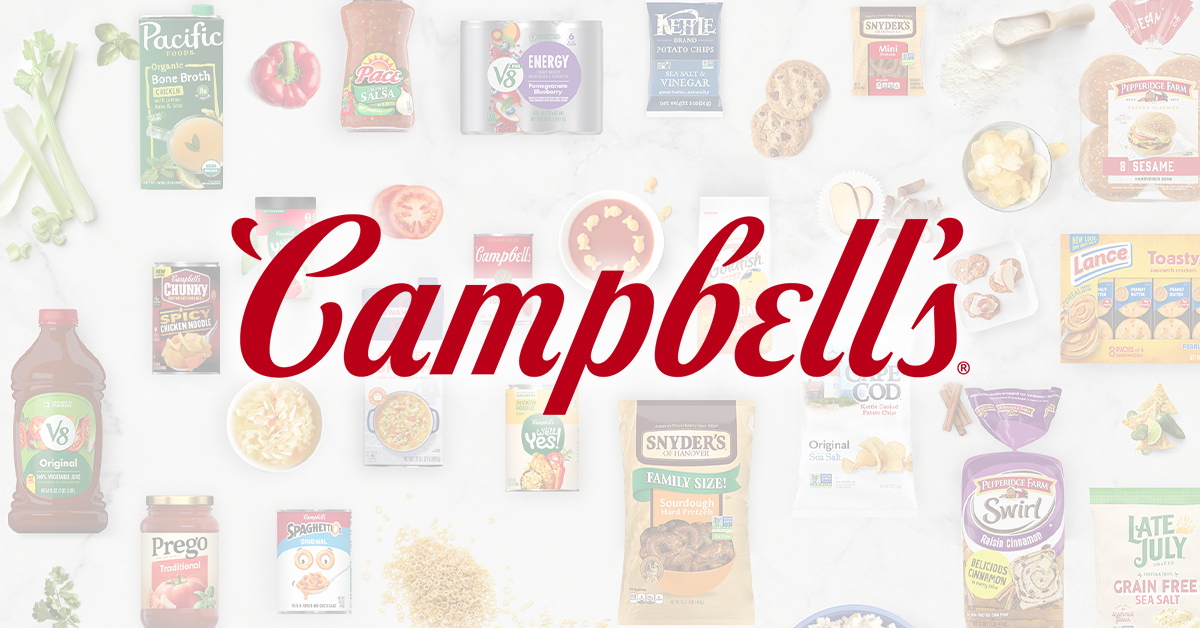
The Campbell’s Company expressed optimism in its portfolio after posting a 1% net sales increase to $2.3 billion in Q4 2025 and detailing growth opportunities behind its two core segments – Meals & Beverages and Snacks – despite looming steel tariffs, import taxes and changing consumer behaviors expected to take shape within its balance sheet throughout the year.
As the company works to navigate that “dynamic” environment, Campbell’s will execute “surgical pricing initiatives” across its portfolio, with a focus on steel-packed soups in particular, said CEO Mick Beekhuizen, during a call with analysts. Beekhuizen claims the company has “well-defined and immediate action plans” to reduce “more than half of the tariff impact.”
Campbell’s increased its cost savings target by 50% to $375 million by the end of FY2028 with a focus on “network optimization, integration synergies, technology and organization effectiveness, and indirect spend management,” CFO Carrie Anderson added during prepared remarks. The company is also looking into shifting select supplier relationships to mitigate the impact of import tariff, including with Rao’s, where it will lean into a Georgia-based manufacturing partner in addition to its Italy-based producer.
“When you think about the tariffs, about 60% of those gross tariffs are coming from Section 232 steel aluminum tariffs, and that’s going to really hit [Meals & Beverages],” said Anderson. “And then you’ve also got the IEEPA tariffs that will also impact Rao’s imports as well. So the majority of that headwind is going to be sitting in Meals & Beverages.”
While the segment faces operations challenges ahead, Campbell’s emphasized it continues to benefit from a rise in at-home cooking with its broths, soups and Rao’s leading that growth; despite those claims, the business unit reported an organic net sales decrease of 3% and volume/mix decline of 4%, attributed to declines in Rao’s and U.S. soup as well as lapping the reversal of an ERP system related to the Sovos acquisition.
“Meals & Beverages benefited from the continued strong in-market performance of our leadership brands, outpacing category growth as consumers continued to cook at home,” stated Beekhuizen. “We are pleased with Rao’s post-acquisition momentum as it approaches becoming our fourth $1 billion dollar brand, alongside Campbell’s, Goldfish and Pepperidge Farm.”
Over on the snack side, that business “weathered category softness” during Q4 with organic net sales decreasing 2%. Executives pointed to the strength of Snack Factory, which grew share in both deli and snack aisles by 0.7% in the quarter while Pepperidge Farm retained its existing share as well. Despite that performance, consumption of its leading snack brands declined by 2% in the quarter.
Even though the broader cookie category saw dollar sales declines of 1%, Campbell’s reported that its cookie brands were a growth driver as Milano dollar consumption increased 27% year-over-year and new innovation, Milano White Chocolate, drove both dollar and volume growth. Additionally, Cape Cod, Kettle Brand, and Late July all gained market share.
“In chips, we saw sequential improvement in our Kettle and Late July brands resulting in consumption growth as the attractiveness of better-for-you offerings resonates with consumers,” said Beekhuizen. That will be important as the company enacts pricing actions to offset inflationary pressures, particularly around cocoa, and the exposure to tariffs within its Meals & Beverages segment.
“Our portfolio of brands is well positioned to meet these needs, supported by incremental brand investment and continued innovation,” said Anderson. “At the same time, we are in a dynamic operating environment, resulting in input cost pressures, primarily driven by tariffs, which, despite significant mitigation efforts, are expected to be headwinds to our earnings outlook for the upcoming fiscal year.”
Campbell’s, which divested both noosa and Pop Secret in the past year, is working to stay on top of shifting consumer habits with the launch of its new Growth Office, focused on ensuring its innovation pipeline “is clearly aligned to what matters most,” said Beekhuizen. Innovation contributed approximately 3% to net sales in FY2025, the company claimed, and its 16 leading brands contributed 90% of total net sales during the fourth quarter with seven either gaining or holding share.
The company will continue to lean into price-pack architecture particularly during the back-to-school season with brands like Goldfish and highlighted a range of new innovations – from avocado oil Kettle Brand Chips to Swanson ramen broth – as ways it is meeting consumer demands for high-value, better-for-you offerings.
“Homemade ramen is one of the fastest growing usages of broth, and our team developed a sensational new product to meet consumers’ needs,” Beekhuizen stated. “Additionally, earlier this year in ecommerce channels, we expanded our Pacific flavored bone broth offerings by launching the Ginger, Turmeric and Black Pepper flavor, continuing to provide consumers focused on health and wellness with an excellent and easy way to increase the protein content of their meals.”
Explore the Nombase CPG Database
Head to Nombase to learn more about the tagged companies and their offerings.