Bel Group Plows Under Plant-Based Cheese Brand


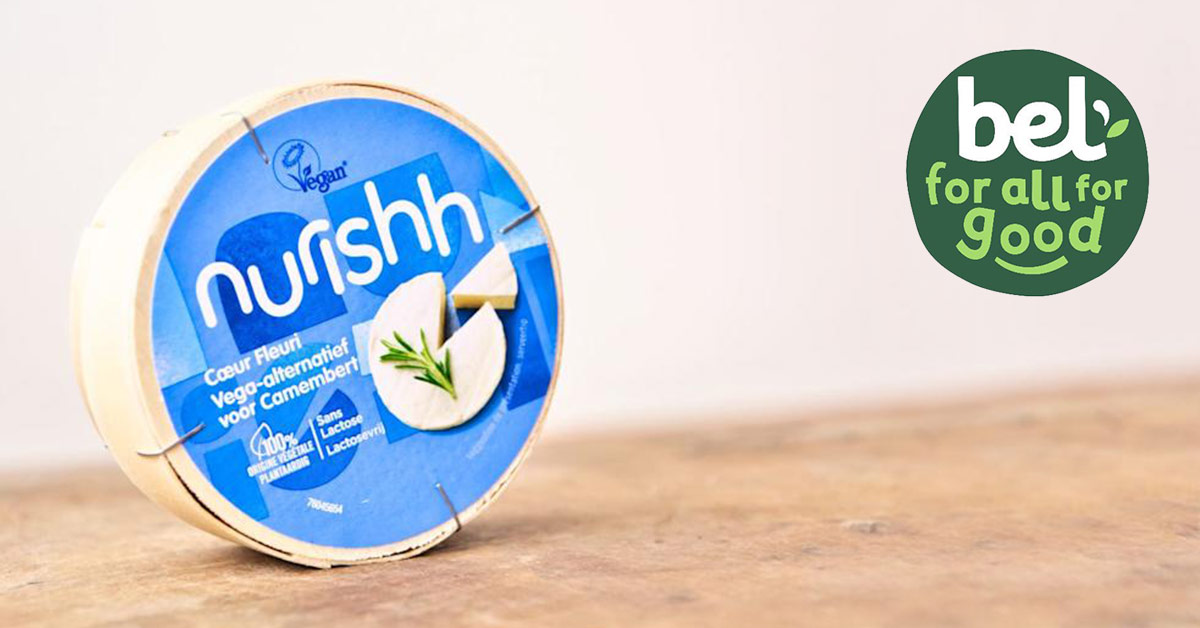
French dairy conglomerate Bel Group has decided to shut down its plant-based cheese brand Nurishh after four years on the market. The business will close by the end of the year, with Bel citing challenges to make it a profitable and sustainable part of the portfolio.
Bel Group will also be shutting down the Saint-Nazaire, France, production facility where the alternative cheese brand was manufactured, affecting about 30 employees.
The company, which also makes GoGoSqueeZ applesauce, launched Nurishh after acquiring plant-based cheese developer All In Foods in 2020. The brand has offered a variety of formats like grated, sliced, cubed and a brie-style round called Coeur Fleuri that are sold in France, the U.S., the U.K. and Belgium. The products are made with coconut or sunflower seed oil and contain no soy, palm oil, gluten or artificial colors or flavors.
According to Bel Group, Nurishh represents 1% of the plant-based market in retail, while competitor Violife has captured 22%.
Still, the company maintains that plant-based remains an important part of its strategy and offers dairy-free versions under its three flagship brands – Babybel, The Laughing Cow and Boursin.
Additionally, Bel has steadily ratcheted up its investments in food technology startups. In 2023, it announced a new agreement with California-based biotech startup Climax Foods to create new lines of nutrient-dense, sustainable alt-cheese products. As part of the arrangement, Bel Group acquired an equity stake in the company.
Bel previously forged a partnership with Superbrewed to bring biomass fermented proteins into its portfolio and innovation capabilities. It also has partnered with other alt-dairy companies including Paris-based precision fermentation business Standing Ovation as well as California-based Perfect Day.
The plant-based cheese market was valued at $218 million last year, representing year-over-year declines in dollar sales and units of 4% and 3%, respectively, according to data provided by the Good Food Institute and Plant Based Foods Association.