CPG Week: The RFK Jr. Effect on CPG
Episode 110
In this episode:

In this episode:
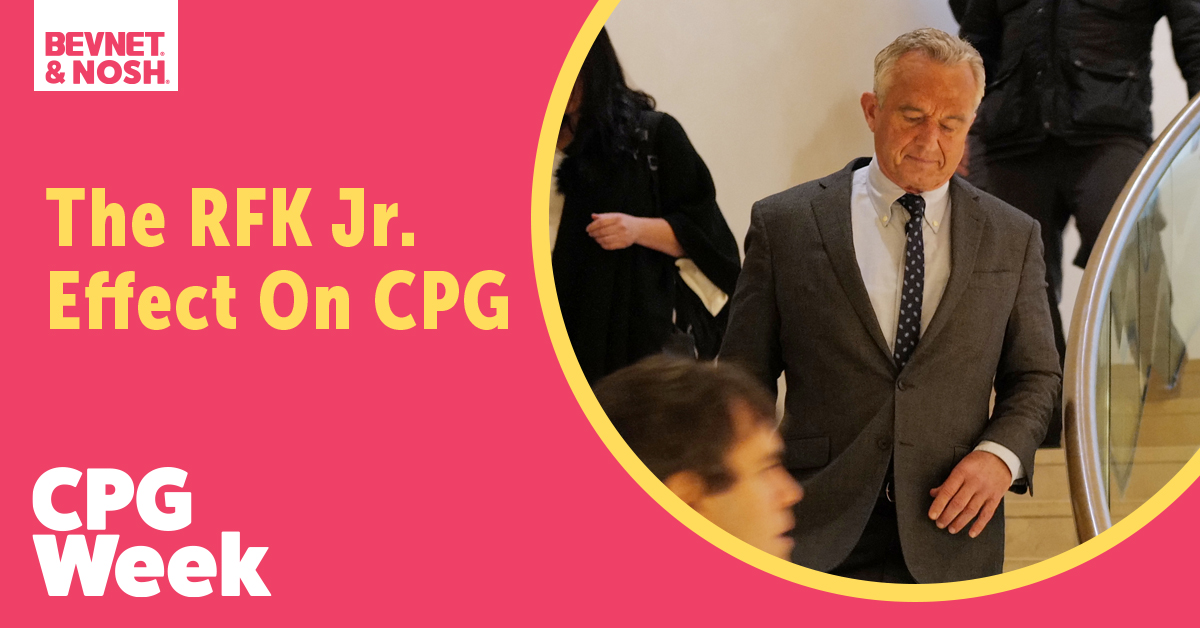
Robert F. Kennedy Jr. is already making his mark on the food system just days after his confirmation as secretary of Health and Human Services. The CPG Week team discusses the big industry issues to watch during his tenure and some of the fallout already underway at the FDA.
While some of his ideas have pulled bipartisan support – like eliminating ultraprocessed foods and chemical additives from the food supply – these positions will put Kennedy in direct opposition with the interests of industry leaders and even that of the administration that selected him for the role.
Show Highlights:
0:30 – Could buying in Bitcoin protect chocolate makers amid the cocoa pricing chaos? BevNET and Nosh senior reporter Brad Avery explains why Mid-Day Squares is dabbling in cryptocurrency to secure its supply.
3:15 – BevNET and Nosh assistant managing editor Adrianne DeLuca shares why the head of FDA’s Human Foods program abandoned his post after just 18 months.
4:30 – Ultraprocessed foods are a hot button issue with Kennedy at the helm of the health department. Nosh managing editor Monica Watrous ponders how removing additives from the food supply could worsen already sky-high grocery prices.
7:30 – Raw milk has entered the chat. The group debates its origins and concerns about its safety.
10:30 – How are industry trade groups and leaders reacting to Kennedy’s appointment? It’s a bit mixed.
About CPG Week
CPG Week is the podcast that explores the latest happenings in the consumer packaged goods industry. Join our seasoned reporting team as they dish out the week’s stories in quick, easy-to-digest episodes. Catch up on the top headlines of the week, dive into exclusive insights with the BevNET and Nosh teams, and set yourself up to make more informed business decisions. Tune in to stay up-to-date on the latest developments in the dynamic world of packaged food and beverage.
New episodes are released every week. Send us comments and suggestions anytime to cpgweek@nosh.com.
Show Highlights:
Robert F. Kennedy Jr. is already making his mark on the food system just days after his confirmation as secretary of Health and Human Services. The CPG Week team discusses the big industry issues to watch during his tenure and some of the fallout already underway at the FDA.
Episode Transcript
Note: Transcripts are automatically generated and may contain inaccuracies and spelling errors.
[00:00:05] Monica Watrous: Welcome to the CPG Week podcast by BevNET and Nosh, your source for the latest food and beverage industry news. I'm Monica Watrous, Managing Editor of Nosh, here with my co-hosts Brad Avery and Adrianne DeLuca, who is filling in this week for Lukas Southard. If you're enjoying the show, please subscribe on your listening platform of choice. On the podcast today, we are discussing RFK Jr.'s impact on CPG. But first, Midday Squares is trading in Bitcoin for its COCO.
[00:00:38] Brad Avery: What's going on with that, Brad? Yeah, I thought this was pretty neat. Adrienne actually flagged this for us, and I was able to connect with Nick Saltarelli, one of the co-founders of Midday Squares, to learn more. They're buying their raw COCO supply in Bitcoin, or at least some of it. So, as Nick explained to me, this all really got going with the big surge in cocoa prices for the past two years. You know, it's effectively a crisis and it's been exacerbated by poor climate and crop disease, particularly in West Africa. And so, a lot of these farm suppliers apparently, according to Nick, are now looking to trade in Bitcoin. It was them who first pitched the brand on whether they'd be willing to pay using cryptocurrency. So he was pretty clear, Midday Squares is not holding Bitcoin. It's not a line item for them. It's still a very volatile asset because it can still fluctuate in value by thousands of dollars up and down within a single day, let alone weeks where $10,000 can get wiped out overnight. So they're not holding on to this, but they are converting into cryptocurrency ahead of payments, so they send it and they get their shipment. The advantage seems to be the speed, an immediate transfer versus using government-backed currencies that can take a week or more in order for a sale to go through. Of course, there is some risk involved, you know, regulatory, and I asked him a bit about how do you protect against it? Say you get a bad shipment, and he says part of it is being very active and engaged, you know, getting on FaceTime even to verify a shipment is going through. So it's an interesting innovation, and I'm curious whether other companies are seeing the same thing or hearing the same thing from their own suppliers.
[00:02:33] Monica Watrous: I have not seen any other food or beverage brands trading or buying ingredients with Bitcoin or cryptocurrency in general, but it doesn't surprise me that Midday Squares would dabble in this given that they had that NFT project a few years ago. I'll be curious to see if this becomes a trend among food and beverage brands, especially with volatile ingredients and commodities like cocoa and eggs. Coffee might be next. Coffee might be next. From one crisis to another, the human foods program of the FDA has lost its head. Adrienne, can you tell us more?
[00:03:13] Lukas Southard: Absolutely, Monica. This was not news that was on my bingo card for this week, but I shouldn't have been surprised. This morning, we woke up to news that Jim Jones, the first ever head of the FDA's human food program, has resigned. That comes after about 89 staffers were let go over the weekend, mainly within nutrition, infant formula, food safety departments of the agency. While it's shocking because Jim Jones has only been in this position for about 18 months now, it does align pretty well with the objectives of RFK Jr., who just last Thursday was confirmed as the Secretary of Human and Health Services. RFK has pledged to purge the FDA of exactly these departments. So I guess it's all coming in one fell swoop.
[00:04:05] Monica Watrous: Well, he's acting pretty fast if this is happening days after his appointment. But there's a number of other issues we have been watching as we braced for the potential for RFK Jr. to be confirmed as the Secretary of Health and Human Services. And there are several big issues we have been watching in anticipation. Adrienne, can you tell us what are the big ones here?
[00:04:25] Lukas Southard: Absolutely. I'd say the biggest kind of overarching issue here is this conversation around ultra processed foods. This is something I think everyone in CPG has heard over the past few years. Under that banner, though, you get into things like chemical additives stemming from the agricultural side of the supply chain to chemicals such as food additives and dyes. RFK is a big proponent of reducing all of the above in our food supply. So we'd expect a lot of regulatory actions over the next year as he looks to try to divorce Big Food from the actual food supply chain. We will see how that pans out.
[00:05:06] Monica Watrous: And these are things that are getting bipartisan support. We are seeing across the board an interest in removing certain additives from the food supply, especially California, which has been making further strides than any other states. But how likely can this happen? And how How might this affect food prices? If we're all concerned about the price of eggs and other grocery staples and major food manufacturers have to suddenly reconfigure their supply chains and reformulate for American consumers, this could come with a hefty price tag.
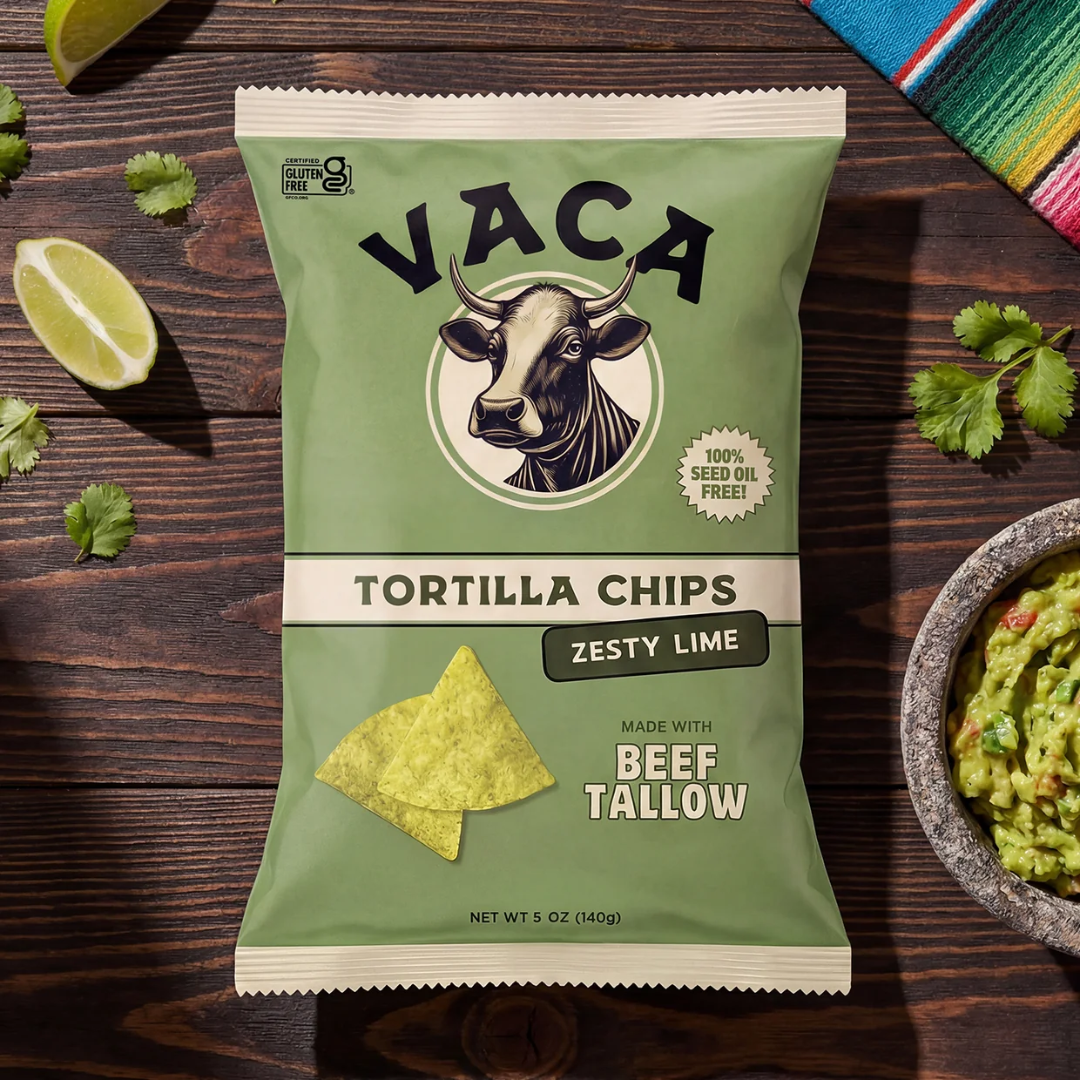
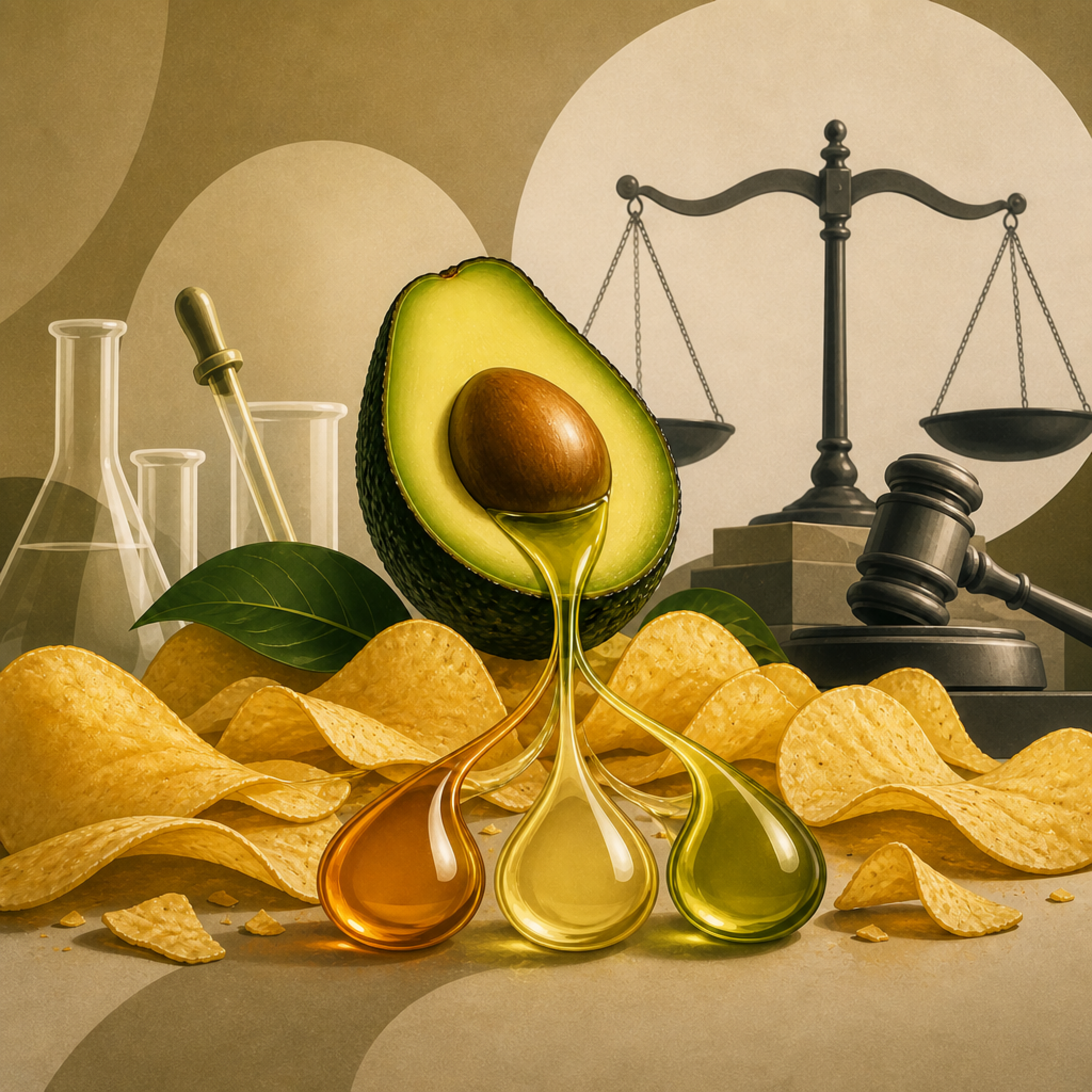
[00:05:45] Lukas Southard: That's a great question, and I think that point you brought up at the beginning, Monica, is really key here, because especially when it comes to the conversation on ultra-processed foods, that has garnered by and far the most bipartisan support at the federal level. Everyone's for having healthier, wholesome, whole foods available to Americans. But like he said, when it comes down to it, getting big food manufacturers to be able to bring those products to the masses is a lot more challenging. We didn't mention it earlier, but he's got a large push against the use of seed oils also in these formulations. Those don't necessarily have full support from either side of the aisle, especially when it comes to the seed oil debate that has largely, you know, swung to the right in recent years. And there's not a whole lot of scientific evidence to point to really any of the claims that RFK is making at this point when it comes to things like seed oils like some of these additives. He really would love to align with EU standards. On the topic of price, it will definitely be a large lift if we do have to see an overhaul of what food manufacturers are putting out. Ultra-processed foods currently account for roughly 70% of what's bought in grocery stores. You're overhauling 70% of the food supply chain. And as we all know, supply chain crises and pivots cost quite a bit of money.
[00:07:23] Monica Watrous: In addition to ultra-processed foods, chemicals in agriculture, and food additives, raw milk has been part of the conversation. I don't understand why, but it seems raw milk is a political issue and a right-leaning one.
[00:07:41] Lukas Southard: Yeah, that is correct. It kind of goes along with this push against seed oils that we've also seen. You know, it pulls sentiments from this minimally processed food ideology. It definitely has, you know, pulled some ideas from just the natural products movement overall, which has typically been more of a left leaning issue. And when it comes to raw milk overall, it's a lot of pseudoscience and claims that it can boost immunity by drinking these products. However, as we have heard from most health agencies over many years, there really is no tract benefit from drinking raw milk versus pasteurized milk. There is actually an increased risk of contracting a large number of deadly pathogens. That risk is even heightened especially right now during the current bird flu outbreak which has for the first time begun infecting dairy cows and has been detected in raw milk. So A little unclear other than, you know, we can point to possibly a handful of podcasters on health that like to talk about raw milk.
[00:08:54] Brad Avery: I saw a good TikTok that was advising people to take the raw milk. And in order to deal with the safety issue, you could just heat it up for a little bit and kill the pathogen. I thought that was a really inventive, original idea.
[00:09:08] Monica Watrous: Self-heating. Interesting. DIY pasteurization?
[00:09:10] Brad Avery: No, no. You can't pasteurize it. You just have to heat it up to a degree of 140 or so for something like 10 seconds, I believe. That's not pasteurizing.
[00:09:20] Monica Watrous: It's scary that we've seen this conversation around processed food or ultra processed food as a dangerous or unclean thing that we need to eliminate from our diets when processing is what makes our food supply safe to eat.
[00:09:36] Brad Avery: To Adrian's point about the switch in the culture war of clean eating organic foods as a sort of left wing coded trend to something right wing, it really does seem to have to do, as far as I can tell, with a mistrust in institutions. There's a wide mistrust in anything that's considered official, and I think a lot of safe processes, as we mentioned, are getting swept up in that dragnet of anything that's official is to be disregarded. So anything that's too corporate or anything that's from the government effectively is now being met with mistrust.
[00:10:20] Monica Watrous: Adrienne, you've been tracking some of the industry trade groups' responses to RFK's appointment. What's the general temperature of some of the folks at Consumer Brands Association and FMI?
[00:10:34] Lukas Southard: I'd say it wasn't totally clear. There was this underlying tone of a bit of just disappointment in the pick. A lot are, you know, expressing the fact that they are willing to work with RFK and hopeful that he will engage with these groups and not just act essentially in a vacuum. A lot of the emphasis fell on just reminding the public that these agencies make decisions, regulatory decisions, based on science, not on opinions. And they are hopeful that that continues.
[00:11:12] Monica Watrous: And you also spoke with the CEO of Daily Harvest. What were his thoughts on some of these action items on RFK's agenda?
[00:11:22] Lukas Southard: I think the biggest takeaway from what Ricky shared during that reaction was just how reflective this is of a general frustration with the food system overall. We have seen endless recalls, reports on chemical additives. a lot of conversation around the food supply chain in recent years, and to Brad's point earlier, this building mistrust in the institutions monitoring them. On the same time, I think everyone was somewhat in agreement that RFK would not have been their top pick for this spot. Yes, like we said earlier, he may have generated some bipartisan support over issues like removing ultra-processed foods and just getting more wholesome ingredients and items into the food supply. That's one reasonable opinion held against many others that are just been straight up disproven by science many times.
[00:12:26] Monica Watrous: Insiders can read more in Adrian's story called What's Next After RFK Jr. Takes the Helm on Health at Nosh. And here are some other notable bits of news from the week. Plant-based foods consolidation continues with Ahimsa's latest acquisition. How Oatly is inching closer to its first profitable year as a public company. And why is Dairy Farmers of America suing West Rock Coffee? For these stories and more, become an insider at BevNET and Nosh. That wraps up this edition of CPG Week by BevNET and Nosh. Thank you to our audio engineer, Joshua Pratt, our director is Mike Schneider, and our designer is Aaron Willette. If you enjoyed the podcast, please subscribe on your listening platform of choice, and we will see you next time.
About CPG Week
CPG Week is the podcast that explores the latest happenings in the consumer packaged goods industry. Join our seasoned reporting team as they dish out the week’s stories in quick, easy-to-digest episodes. Catch up on the top headlines of the week, dive into exclusive insights with the BevNET and Nosh teams, and set yourself up to make more informed business decisions. Tune in to stay up-to-date on the latest developments in the dynamic world of packaged food and beverage.
New episodes are released every week. Send us comments and suggestions anytime to cpgweek@nosh.com.
Stay Informed, Stay Competitive
Unlock the articles, expert interviews, and data reports that power the food and beverage industry. Join our community and stay ahead with exclusive insights from BevNET and Nosh.