Nosh Live Day 2 Recap: How To Drive Demand And Build For The Future

On Day Two of Nosh Live Winter 2024 in Marina Del Rey, Calif., brand leaders, founders, and industry stakeholders took the stage to tell their stories and give attendees useful advice on building long-lasting success in CPG food.
ALOHA’s Journey As ‘The Company That Happened Twice’
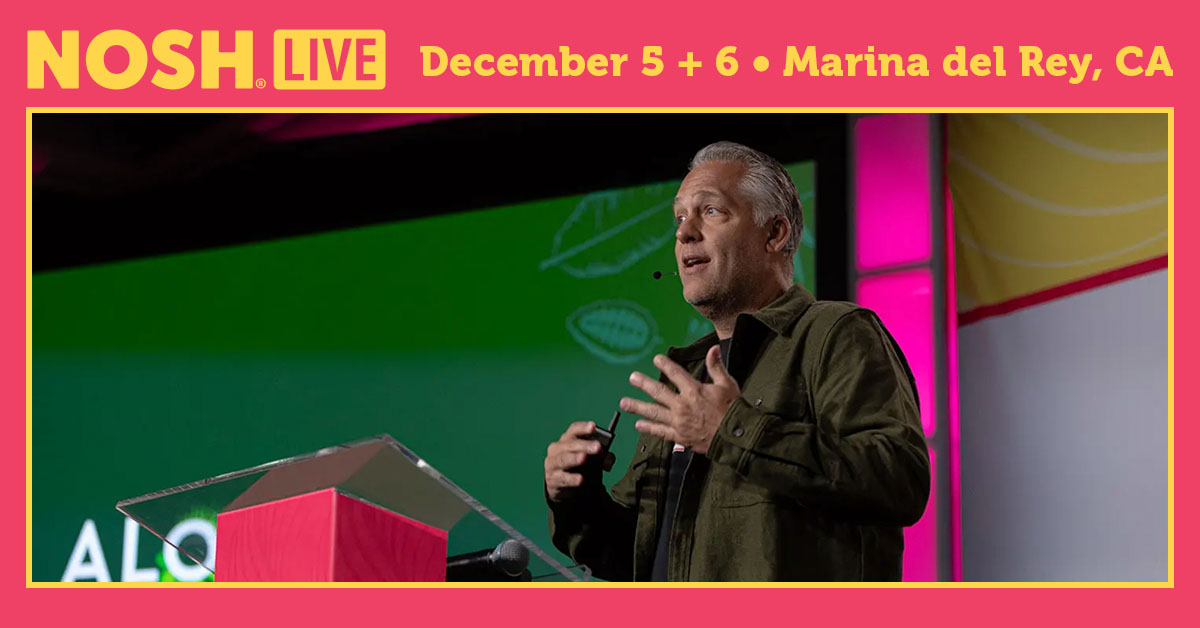
It’s not always an easy task taking over a failing brand, but when Brad Charron became the “re-founder” and CEO of ALOHA in 2017 he saw the potential for success.
“The company was trying to do too much, too fast, too soon. Not an original story,” he said. “Here’s what I saw: Untapped, enormous potential. I love to compete, and I love to compete for something that’s worthwhile fighting for.”
When Charron took over the leadership role, one of the first meetings he had with a retail buyer ended with Charron being told ALOHA was being dropped from Target. Charron said he couldn’t blame them because it was a “beautiful idea that wasn’t executing.”
Fast-forward seven years and the company is a profitable, employee-owned B Corporation with more than $100 million in sales.
How did Charron help turn ALOHA around?
His first task was SKU rationalization because there were “too many products.” Although ALOHA makes protein drinks and powders, the focus needed to be on bars, which were the brand’s core line.
“Be great at something first and then expand,” he said. “Get excited about your ideas, get excited about the future, innovate in your heart and execute with mental focus.”
One lesson that guided him was to focus on why consumers come to the brand while also remaining passionate about what makes the brand great.
“When you lose the objective ability to think about it from a regular consumer standpoint, you’re taking an arrow out of your own quiver,” he said.
Driving Trial On TikTok Shop
Amazon might be the biggest ecommerce site, but TikTok Shop is making a bid to be the trendiest place for consumer discovery.
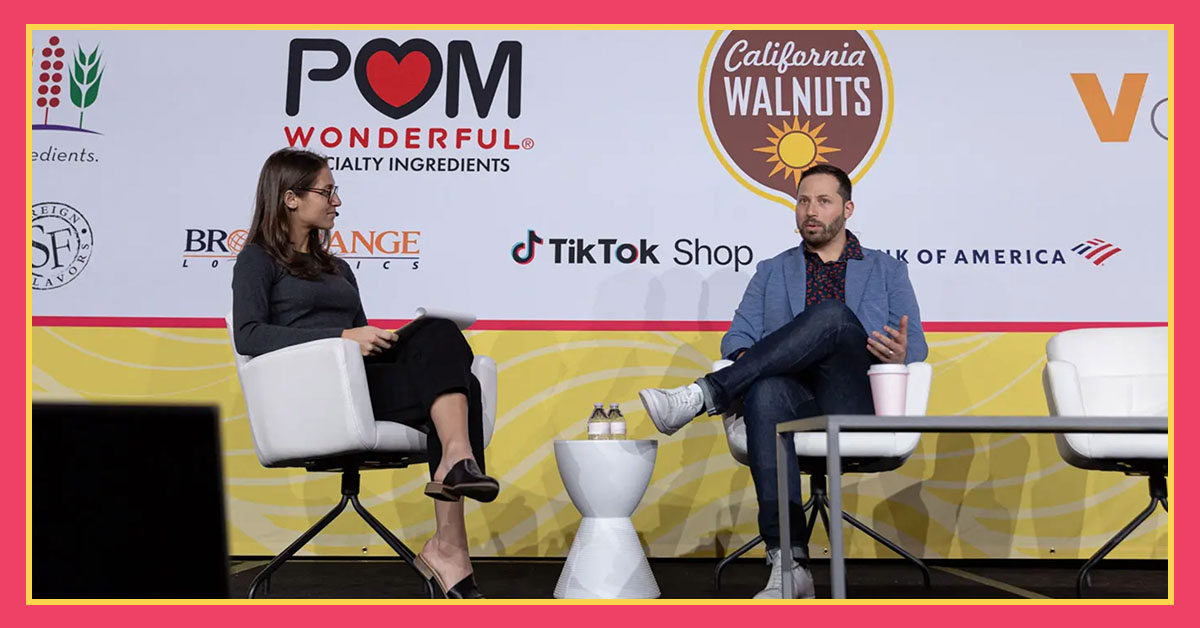
TikTok head of food and beverage Cameron Gould-Saltman explained to attendees that TikTok Shop was built to make the process of finding new brands easier by integrating a user-friendly way to purchase products seen in social videos.
“I am happy to play a role in driving awareness of your product, driving trial of products and getting those first few sales to a consumer who then might go elsewhere for the product,” he said.
About 70% of TikTok users were discovering new brands on the video social media platform, Gould-Saltman reported. TikTok Shop integrated with brands’ Shopify accounts to make fulfillment easier and streamline sales so that users wouldn’t necessarily have to change sites or apps to buy a product they were interested in trying.
Interestingly, the demographic opportunity is not just Gen Z and Gen Alpha consumers who are the main users of the social platform. Gould-Saltman said there are plenty of millennials and people in their forties using TikTok Shop as well.
The platform has also taken a lesson from QVC and operates a live shopping option that can be a way for founders and creators to tell a brand story while also offering an opportunity for users give feedback and make purchases in-real time.
How do you win on TikTok Shop?
“It takes a nimble organization to be able to sprint where the data is telling you to sprint,” Gould-Saltman said.
Good Culture’s Founder On Making Cottage Cheese ‘Sexy’
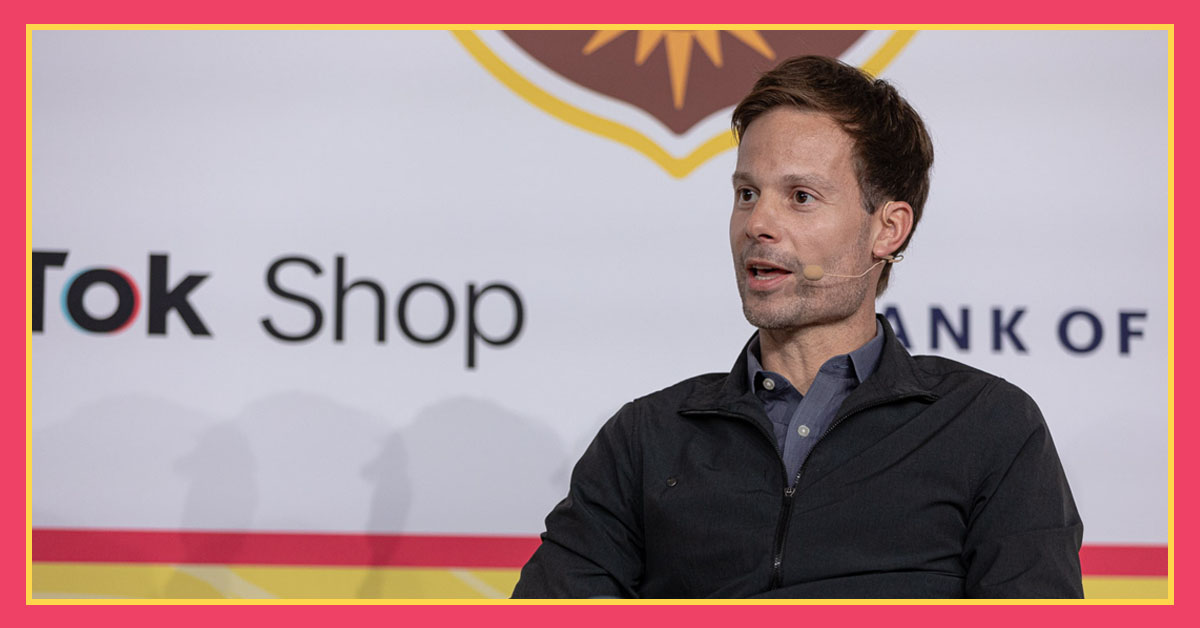
Breathing new life into a tired category does not have a playbook, but one could take lessons from Good Culture co-founder and CEO Jesse Merrill on how to weaponize social media.
Nosh 2024 Brand of the Year Good Culture hit $100 million in revenue in 2023 and is on-pace to double that in 2024 on the back of its clean-label product and a savvy social media strategy.
Merrill saw an opportunity to reinvigorate the cottage cheese category by positioning it as an alternative to Greek yogurt for younger consumers. When he started digging into the demographics of cottage cheese consumers he found that “most were boomers that were choking it down because they were on a diet and wanted to lose weight,” he said.
“I saw so much opportunity to create disruption” by making “cottage cheese sexy and relevant to other consumer segments,” he added.
Not only did Good Culture offer a new taste profile and ingredient deck free of emulsifiers, gums, additives and thickeners, but the brand “intentionally” seeded itself among influencers and creators to reach a younger demographic.
The approach paid off when Lainie Kates created a viral moment with a cottage cheese ice cream recipe.
Doubling down on that, Good Culture is creating its own digital content to continue to drive demand and give its consumers more reasons to buy cottage cheese.
“We’ve been building towards that moment, and it continues to grow,” he said.
Other Takeaways From Day Two:
- One of the biggest trends driving CPG in the last year was the rise of Glucagon-like peptide-1 (GLP-1) drugs and how food companies are responding to the rise in demand. NielsenIQ total wellness VP Sherry Frey brought a host of data on how these drugs are shaping grocery shopping habits.
- How can regenerative agriculture brands garner similar consumer enthusiasm as certified organic products? ReGen Brands co-founder and CEO Anthony Corsaro talked about driving revenue by clearly communicating the value to consumers seeking food grown with environmentally sustainable practices.
- Aspect Consumer Partners managing partner Rodney Clark spoke to attendees about how funding cycles move from peaks to valleys and how founders can strategize operations around those ebbs and flows in raising new investment.
- Few CPG industry leaders have been an investor, operator and acquirer at different moments in their career. Shawn Bushouse, operating advisor at GroundForce Capital, has been that triple threat. He explained how his unique experience has given him insight in helping brands grow efficiently and what investors look for in capitalizing new brands.
- Closing out the show, founders Loren Castle of Sweet Loren’s and Fly By Jing’s Jing Gao talked about when and how to move into new categories. The founders spoke to how leaning into their respective platforms has led to successfully expanding portfolios and bringing new consumers to their brands.