Private Label, Ecommerce to Drive F&B Growth in 2025

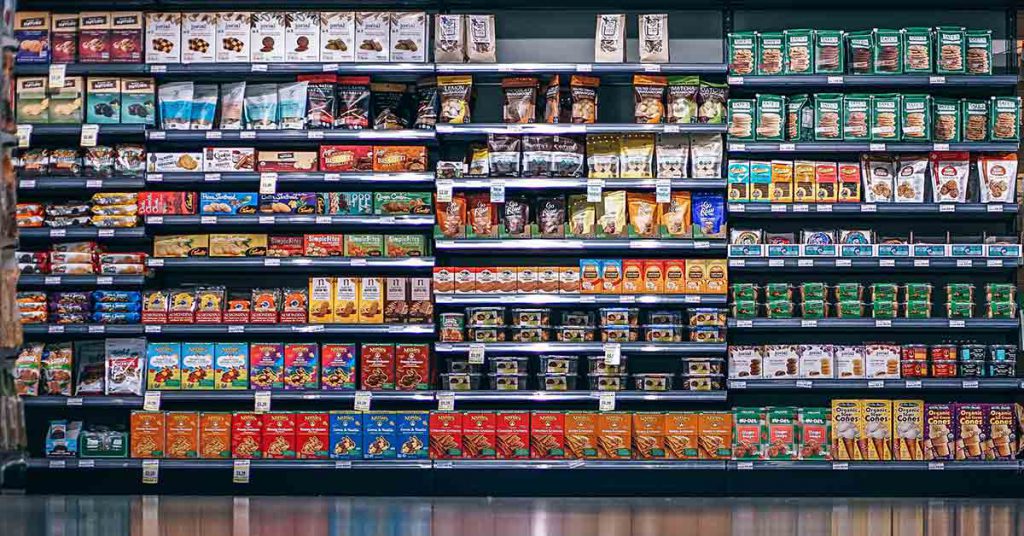
Today we’re taking a temperature check on what’s gone on this year… and what’s to come. This time, we’re not examining popular flavors or categories but rather how a continued shift to private label and ecommerce will shape volume and sales growth amid high food prices in 2025, according to Circana’s Year-End 2024 F&B Market Outlook.
In 2024, overall dollar sales grew by 2.6% year-over-year while price/mix increased 1.6% and volume sales rose 1.1%. Ever-evolving consumer behaviors will continue to influence where volume growth opportunities lay. Circana highlighted three trends expected to carry over into 2025: Private label outpacing national brands, consumers shifting toward ecommerce, and rising traffic in foodservice as companies transition away from remote work.
Private Label Gains: Amid continued inflationary pressures, value-seeking shoppers are expected to continue to lean on private brands, which saw a 3% volume increase over the past year up against a 1% decline in branded players.
- We’ve seen an influx of private label launches in 2024, including Walmart’s bettergoods, CVS’ Well Market, and Amazon Saver. Store brands have historically been centered around low prices and generic offerings but are now leveling up with attention-grabbing packaging, better-for-you attributes and sustainability claims.
Channel Migration: E-commerce solutions are increasing convenience and price transparency, with online transactions driving 35% of F&B dollar sales growth despite holding just a 10% market share. All three fulfillment methods – delivery, pick-up, and ship-to-home – are resonating with consumers.
- On a retailer level, a growing base of affluent households fueled Walmart’s eGrocery growth in the first half of 2024, per Brick Meets Click. The retailer’s most affluent segment (households with $200k+ in annual income) spend 1.5x more monthly than households in the lowest income bracket.
Foodservice Traffic Rises: Though consumers are generally spending more on at-home consumption, foodservice traffic is expected to improve as more employees return to the office.
- In recent years, foodservice has become an essential channel for testing new products and driving awareness to support consumer adoption of plant-based products in particular. There are over one million foodservice outlets in the U.S., compared to a total of 350,000 points of retail distribution, providing a much larger opportunity for brands.
Looking Ahead: Circana forecasts a moderate slowdown in economic conditions, projecting overall F&B industry dollar sales to grow between 2% and 4% and a volume sales increase between 1.5% and 3.5% in 2025. Uncertainty surrounding new government policies (e.g. proposed tariffs impacting wages, capacity, and import costs) will require careful monitoring and may also begin to weigh on margins.