Search across the BevNET CPG Media network including BevNET, Nosh, Brewbound, Taste Radio, Nombase and CPG Jobs.
How Vacuum Packaging is Reducing Food Waste in Meat Processing
Food waste remains one of the most pressing challenges in the global food supply chain, particularly within meat processing where product spoilage directly impacts profitability, sustainability, and food safety. As processors seek more efficient preservation methods, vacuum packaging has emerged as a critical solution.
Vacuum packaging technology removes oxygen from the packaging environment, significantly slowing microbial growth and oxidation. This process extends shelf life while preserving the quality, color, and texture of meat products. For processors handling bulk quantities, the ability to maintain product integrity during storage and transportation is essential.
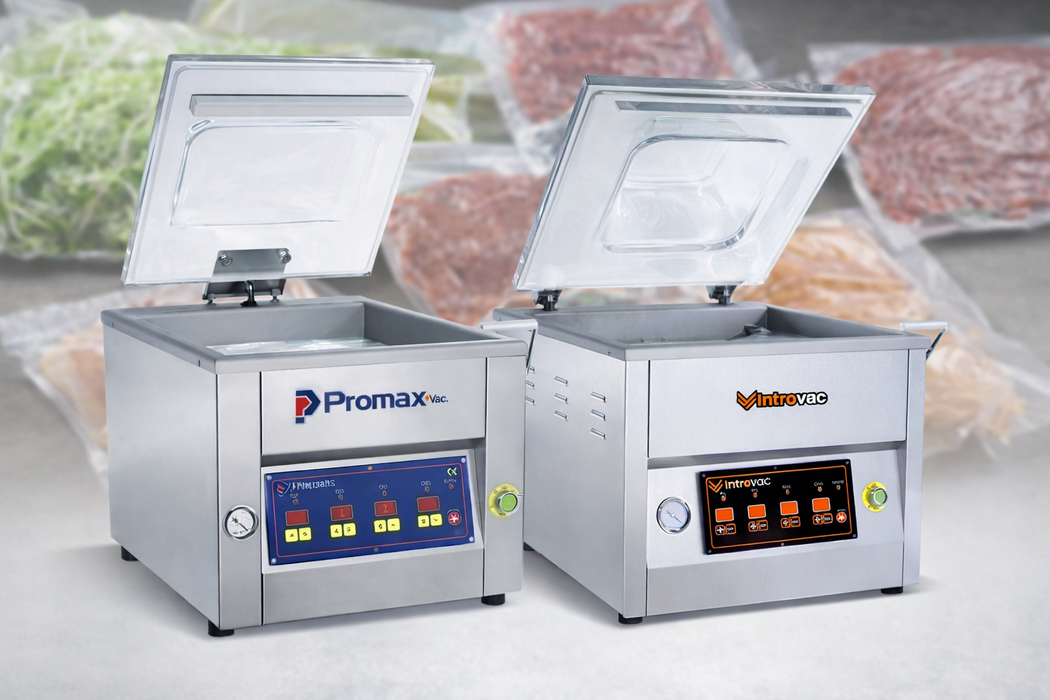
In recent years, advancements in chamber vacuum sealing systems have enabled processors to achieve more consistent and reliable seals, even in high-volume operations. These systems are designed to handle liquids, marinades, and delicate proteins without compromising seal integrity, making them particularly valuable for meat processors.
Another key benefit is improved operational efficiency. By reducing product spoilage and minimizing rework caused by seal failures, vacuum packaging contributes to lower operational costs. Additionally, it supports compliance with food safety standards by limiting exposure to contaminants.
Sustainability is also becoming a major driver in packaging decisions. By extending shelf life, vacuum packaging reduces the frequency of product disposal, helping processors lower their environmental footprint. Many companies are also exploring recyclable and reduced-plastic packaging materials that work in conjunction with vacuum sealing technologies.
For example, manufacturers such as Promarksvac Corporation and Introvac have focused on developing chamber vacuum sealers that support bulk processing needs while maintaining durability and consistent performance. Their equipment is commonly used in meat processing facilities looking to scale operations without sacrificing product quality.
Looking ahead, the integration of automation and smart controls in vacuum packaging systems is expected to further enhance efficiency and traceability. As the industry continues to evolve, vacuum packaging will remain a cornerstone technology in addressing both economic and environmental challenges in meat processing.
For More Information:
Learn More

Stay Informed. Stay Competitive.
Become an Insider to unlock exclusive CPG insights, data, education, and industry exposure for food & beverage leaders.

Industry Analysis
Context behind the headlines

Data & Reports
Category performance & trends

On-Demand Education
Expert-led video courses
Top news
- SPONSORED POST