Food Dye Manufacturers Sue to ‘Immediately Strike Down’ West Virginia Additive Ban

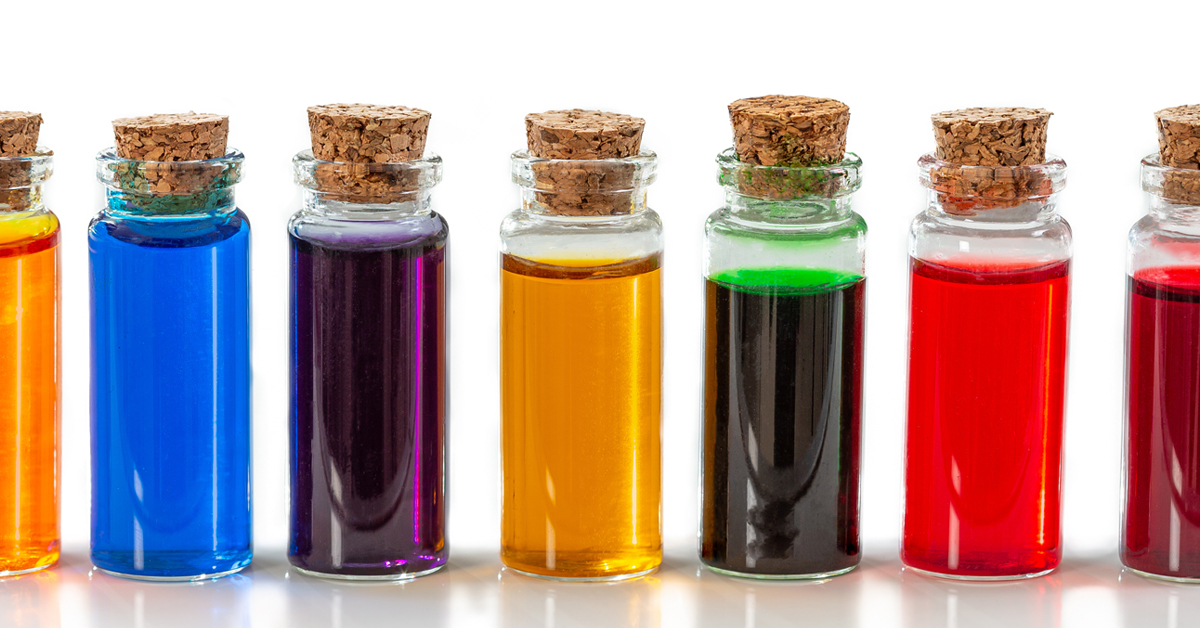
A color additive industry trade group is suing the state of West Virginia, seeking to overturn a state law banning the use of FD&C colors in food and beverage products.
The International Association of Color Manufacturers (IACM) last week filed a complaint in the U.S. District Court for the Southern District of West Virginia alleging the state’s new law “arbitrarily” and “irrationally” targets color additives no U.S. agency – state or federal – has found to be unsafe.
In March, West Virginia became the first state to pass a sweeping ban on synthetic food additives, including seven artificial dyes and two preservatives. Prohibited dyes include Blue No. 1, Blue No. 2, Green No. 3, Yellow No. 5, Yellow No. 6, Red No. 40 and Red No. 3.
The restriction will apply to all food products sold across the Mountain State once it goes into full effect in 2028. IACM’s suit argues that banning the aforementioned ingredients will create “unnecessary consumer confusion” and “erode consumer trust in every company and brand that uses those ingredients.”
To date, lawmakers in 20 states have introduced nearly 40 bills aimed at regulating or banning dyes and other food additives, according to the National Conference of State Legislatures. Most recently, Texas passed a law requiring warning labels on food products containing certain additives, effective January 1, 2027.
These state-by-state regulations come on the heels of Health and Human Services (HHS) Secretary Robert F. Kennedy’s directive for food manufacturers to phase out eight synthetic food dyes used in the formulation of thousands of food products as part of the Make America Healthy Again (MAHA) movement. To move the transition process along, HHS will “fast-track” the review and approval of new natural color additives.
Mounting pressures have led countless members of Big Food – from General Mills to Nestlé to Conagra – to pledge to remove FD&C colors from their respective formulations. Nestlé plans to phase out the use of dyes by mid-2026, while Conagra plans to achieve the goal by the end of 2027.
“Consumers enjoy a wide variety of foods and beverages as part of their daily diet. They want choice and value shaped by a dynamic – and highly personal – combination of nutrition, quality, price and convenience,” said Marty Thompson, CEO of Nestlé USA, in a statement. “As their diverse dietary preferences and nutritional needs evolve, we evolve with them.”
Meanwhile, IACM argues that the West Virginia law usurps the U.S. Food and Drug Administration’s (FDA’s) power to make food safety decisions, interferes with interstate commerce and causes economic harm to IACM member companies and their customers. The trade group is asking the court to “immediately strike down” the state ban.
“Simply stated, bans on FDA-approved food ingredients will make it harder for businesses to operate in West Virginia and other states, as well as increase the cost of food for consumers at a time when grocery prices are already too high,” said John H. Cox, IACM General Counsel, in a statement.