In the past five years, the playbook for growing a startup food and beverage brand has shifted from a growth-at-all-costs mindset back to the fundamentals of profitable, sustainable growth. During that time, there’s also been a major shift underway at the strategic players that looked to more nimble, innovative upstarts for inspiration and acquisitions.
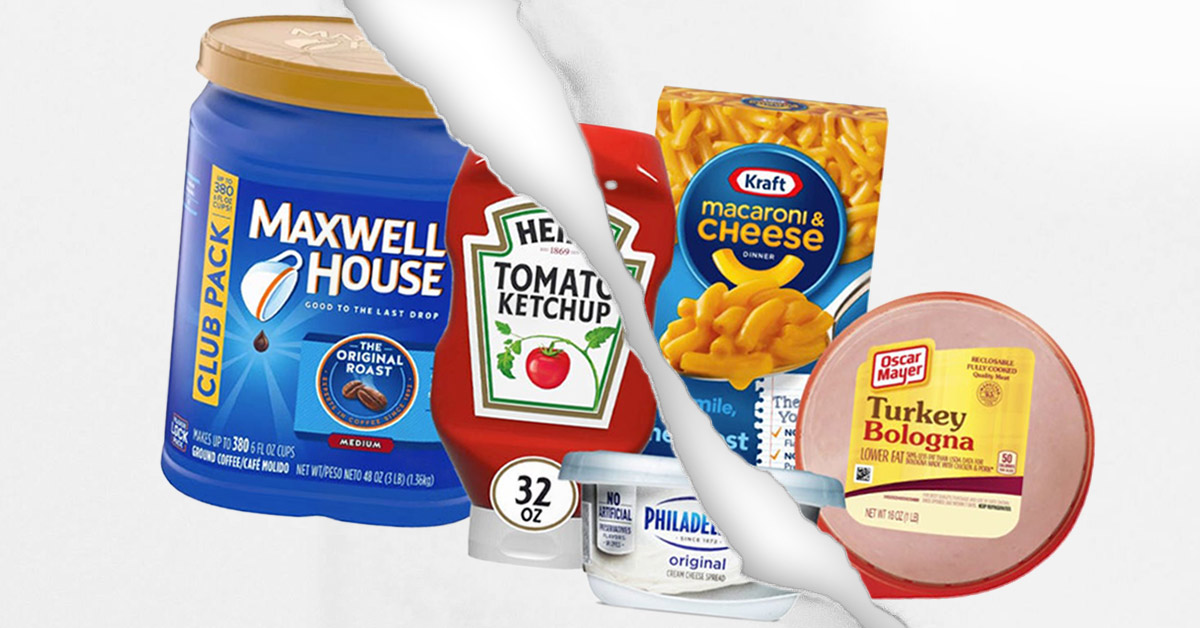
On Friday, the Wall Street Journal reported that Kraft Heinz may be the latest food giant to re-engineer itself, considering a breakup of two established companies that came together in 2015. The rumored split comes just days after Kellogg’s 2023 split was sealed into the private markets.
While strategics look for opportunity in new configurations, for smaller brands there’s still plenty of opportunity to go around, according to industry experts contacted by Nosh.
“It’s a powerful reminder that the opportunity to build the next generation of better-for-you brands is very real — and the stakes are massive,” said Mark Rampolla, co-managing partner at GroundForce Capital. “Yes, the giants are stumbling, but don’t mistake that for surrender. Rome didn’t fall in a decade; it took 500 years of slow erosion, and the same may be true here. The people running these companies are smart, well-resourced, and they will fight to stay relevant.”
Aaron Shapiro, a partner with Boston Consulting Group, said that the activity of Big CPGs of late is both good and bad for emerging brands. Shapiro noted that these larger companies are still fighting to find volume growth in line with pre-COVID levels. Brands doing over $1 billion in sales grew just 0.5% in 2024 while smaller players saw sales growth of 4.9% on average, he said.
Shapiro and Rampolla said that consumers continue to shift toward smaller, “better-for-you brands,” meaning there is still potential for legacy players to lean heavily into M&A to reshape their portfolios – much like PepsiCo’s recent acquisitions of Siete and Poppi.
Charlotte Apps, EVP of Consumer Products at Bain & Co., agrees, telling Nosh via email that these recent shifts reinforce that in order to survive, larger CPGs have to remain relevant and meet consumer needs even as they shift to satisfy shareholders.
“For insurgents, there continues to be tremendous opportunity to address evolving consumer needs in meaningful ways and, particularly as we continue to see these brands scale and take category leadership positions, we expect to see further acquisitions of these brands such as LesserEvil and Poppi strengthening big CPGs portfolios alongside larger portfolio shifts,” Apps said.
“Legacy players will turn to M&A not just for growth — but for survival,” Rampolla added. “But make no mistake: they need to buy big. A $100 million brand is the floor. Realistically, they’re looking for $250 million-plus in revenue just to move the needle. That means the bar is high, and small, emerging brands shouldn’t build with an exit in mind.”
While emerging brands will continue to build, and as Rampolla reminds us, only “a few will be acquired,” the future buyers of these brands likely won’t be the same strategics the industry knows today. Shapiro believes that emerging brands could face stiffer competition if new owners of legacy brands double down on innovation among brands with strong awareness and loyal consumer bases, like Froot Loops.
But there’s another option as well: “Someone will build the next Kraft, Pepsi, or Nestlé — not a single brand, but a portfolio of focused, trusted ones. That field is now much more open,” Rampolla said. He pointed to a growing pipeline of PE-backed food and beverage platforms and emphasized that these will become a “strong source for exits” over the next decade.
“The old guard is showing cracks, and the next Coke or Nestlé won’t look like the last – it will likely be a portfolio of targeted, high-integrity brands built on health, sustainability, and trust,” he said. “The stage is set for a next-gen strategic to emerge, but only if they’re building platforms, not just products.”