Sensient Warns Of ‘Finite’ Natural Colors Supply

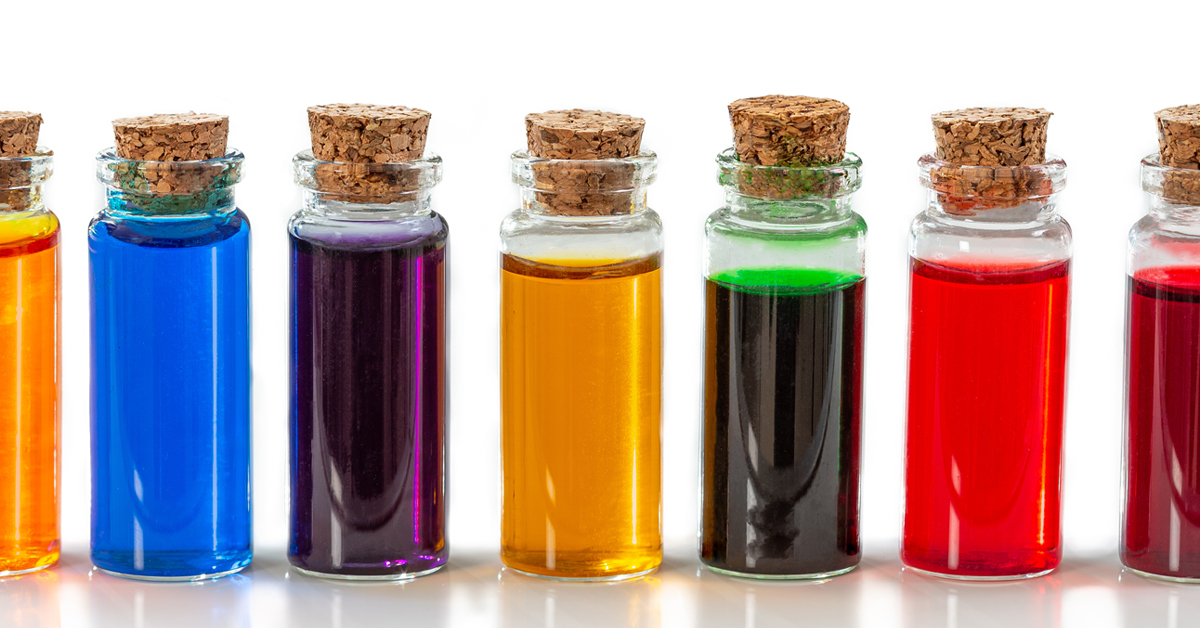
Food coloring, flavoring and extract producer Sensient published a notice warning the industry that current regulatory pressure to phase out synthetic food colors could result in supply shortages.
“There is a finite amount of natural food color resources,” the company said in a press release. “Right now, there is not enough natural supply to completely replace the synthetic color in the market.”
The company went on to explain that supply chain transitions of this type – which require agricultural inputs and are largely dictated by growing cycles – cannot be made overnight. The inputs for natural food colorings must be grown, harvested and processed first, unlike synthetics, which can be more easily produced and are not dependent on crop cycles.
Sensient claims “even the most prepared color manufacturer” would likely take up to three years to be able to produce the necessary, anticipated quantities of “botanically sourced colors,” if the food and beverage industry were to abandon synthetics altogether.
Given current production rates, the company’s analysts believe it could take the industry as a whole up to six years to fulfill market demands for most naturally-sourced colors; it may take longer for certain colorings.
Nevertheless, costs will go up, both for manufacturers having to retool formulations, and for the inputs themselves since “cost-in-use is also higher for natural color,” Sensient said, noting that most natural inputs are not as concentrated and often require higher volumes in order to achieve the same shade synthetics provide.
The company also encouraged manufacturers to consider reassessing ingredient storage capabilities as natural colors often require refrigeration. Brands may also need to take a closer look at whether natural alternatives are permitted for use in their specific product types as well as, if they distribute internationally, have been approved by regulators abroad.
“Conversion to natural can be complicated… Understand the ramifications of ongoing legislation and regulations and be prepared to meet them to avoid being left behind by rapid changes,” Sensient said in the release.
According to a recent report from Boston Consulting Group, the ban on Red Dye No 3. alone will impact over 9,200 products sold in the U.S.
While Health and Human Services Secretary (HHS) Robert F. Kennedy Jr. has claimed the agency will phase out the use of the remaining eight synthetic dyes from the food system by the end of 2026, industry experts have cautioned that timeline will undoubtedly lead to shortages – both in colorings and the availability of the foods they are used in.
Explore the Nombase CPG Database
Head to Nombase to learn more about the tagged companies and their offerings.