
Legal
Featured Legal Content

Lupini Loophole? Pasta Fight Tests U.S. Duties on Italian Imports
La Molisana sued the U.S. government in International Trade Court, defending lupini pasta brand Brami with the goal of securing the product an exclusion from anti-dumping duties.
Tattooed Chef Nears $4.7M Investor Settlement
Plant-based frozen food outfit Tattooed Chef is nearing a settlement with investors three years after filing for Chapter 11 bankruptcy protections.

Food Tech’s IP Dilemma: Protect the Science or Grow the Category?
An IP lawsuit over plant-based egg white protein could determine the future of a pair of food tech companies right as they are on the verge of scaling.
Additional Content

Legal Roundup: KIND Cleared in ‘All-Natural’ Class Action; Kashi Sued For Pear-Filled Strawberry Bars
In this roundup: KIND is cleared in ‘All-Natural” class action suit, Kashi sued for misleading consumers with pear-filled, strawberry-flavored bars, Kellogg’s served for not putting enough whole grains in crackers and Sabra sued to remove its Kosher mark.

In the Courtroom: Kellogg’s Controversy Over Veggie Claims Continues; Dunkin’ And Beyond Meat Hit With Infringement Suit
In this courtroom roundup: Kellogg’s fight against misleading veggie claims returns, Beyond Meat and Dunkin’ sued by Philadelphia plant-based meat company over trademark infringement, Motif challenges Impossible’s heme-tech patent and more.

Judge Rejects Whole Foods’ Claim That $15 Million Breach of Contract Suit Is Invalid
AtlantaFresh Artisan Creamery’s case against Whole Foods Market is moving forward after U.S. District Judge Thomas W. Thrash denied Whole Foods’ motion to throw out a $15 million breach of contract lawsuit. The case alleges the natural grocery chain prematurely and ‘abruptly’ broke a seven-year distribution contract with grass-fed dairy producer AtlantaFresh Artisan Creamery and caused the business to go under.
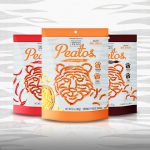
Peatos CEO: Cheetos Trademark Claim Won’t Stop Brand Success
PepsiCo’s Frito-Lay division, which makes Cheetos, accused World Peas Brand’s Peatos of trademark infringement. PepsiCo alleges that Peatos’ name and paw-print logo are “confusingly similar” to Cheetos and that Peato’s slogan, “tigers live longer than cheetahs,” unfairly denigrates the Cheetos brand.
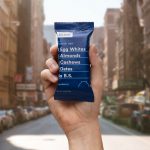
Industry Responds: RXBAR Sued for Allegedly Misleading Consumers with Clean Label
The lawsuit claims the brand misleads consumers with its front-of-pack design, and now the suit is driving many industry leaders to question what are the most effective ways to deploy clean label marketing strategies.
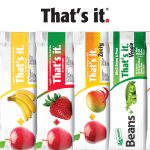
That’s It Lawsuit Sparks Conversation Around Clean Label Branding
Front-of-pack “clean labels” have become one of the most important ways for brands to demonstrate their whole food characteristics. But it’s also becoming a source of legal tension.
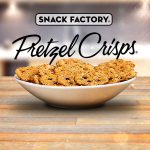
Takeaways From Pretzel Crisp’s 7-Year Trademark Battle
The legal saga between Snyder’s-Lance, the maker of Pretzel Crisps, and PepsiCo’s Frito-Lay, maker of Rold Gold’s Pretzel Thins, seems to be only beginning.– and the ongoing court proceedings are already serving as a cautionary tale to emerging food and beverage brands.

In the Courtroom: Kraft-Heinz Suit Sets Patent Precedent, Mott’s Sued for ‘Natural’ Claims
From patent restrictions and investor complaints to false labeling claims, these are the cases creating — or aiming to clean up — messy food dealings.

Halo Top, Mars Inc. Fight Trademark Suits
Food fights are breaking out in court. HaloTop, Mars Inc, KerryGold and Chobani all found themselves in legal battles spanning trademark infringements to reports of assault over the past month. Here’s what we know so far about the cases, why they were filed, and what they could mean for the companies involved.
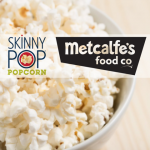
The Skinny on the Snyder’s-Lance Trademark Battle
Amplify Snack Brands, the company behind SkinnyPop Popcorn, and snack giant Snyder’s-Lance began a legal battle over the word “skinny” last week. Amplify filed a federal trademark infringement and unfair competition lawsuit against Snyder’s over the company’s plans to start selling its newly acquired popcorn brand, Metcalfe’s Skinny, in the U.S.