General Mills Expects Category Growth Below Long-term Projections

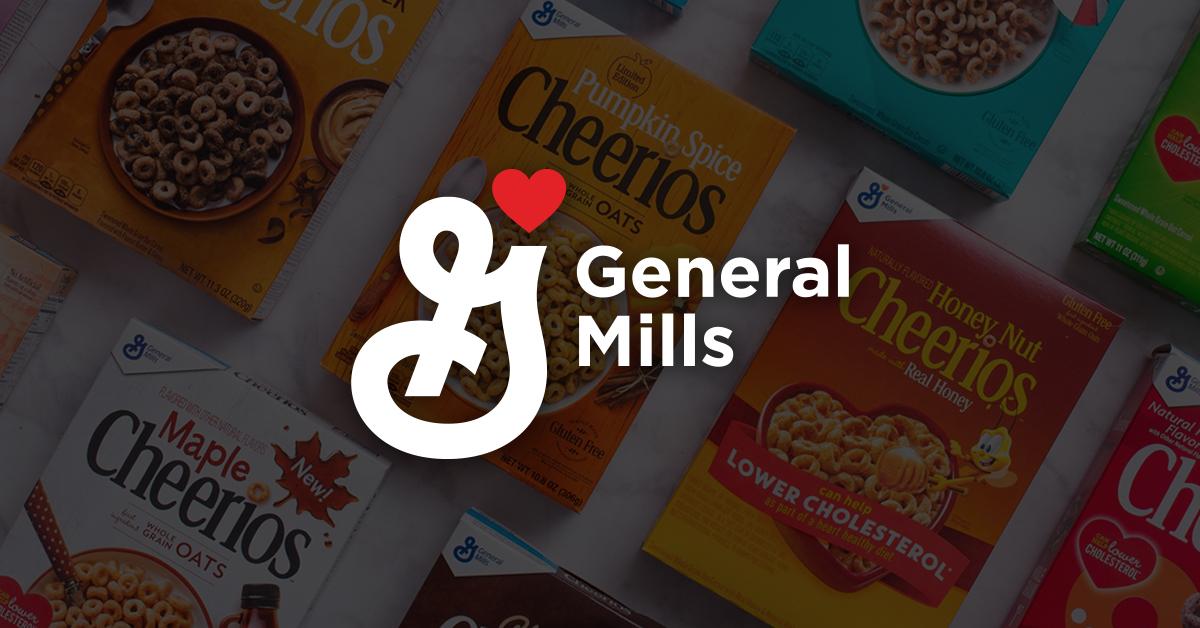
Against a “challenging consumer backdrop” and soft market share performance in North America in its first quarter, Cheerios and Betty Crocker maker General Mills is forecasting fiscal 2026 category growth below its long-term projections.
In the quarter ended August 24, net sales dipped 7% to $4.5 billion, including a 4-point headwind from the impact of divestitures and acquisitions. Operating profit climbed to $1.7 billion, including a $1.05 billion gain in the U.S. yogurt divestiture.
The company’s primary focus for the year will be restoring organic sales growth through investments in greater value and innovation for consumers.
“I’m pleased that we’re seeing the returns we expected on these investments, helping us grow or hold pound share in eight of our top 10 categories while continuing to drive strong competitiveness in foodservice and international markets in the first quarter,” said Jeff Harmening, CEO, in a prepared statement.
He continued, “We will continue to drive further improvements this year behind disciplined execution of our price investments, new advertising campaigns [and] stronger in-store events.”
On a segment-specific level, North America Retail (NAR) sales plummeted double-digits to $2.6 billion, primarily driven by lower pound volume. The Big G Cereal & Canada operating unit – formed through the combination of the previous U.S. Morning Foods and Canada operating units – was a particular pain point for the company.
U.S. Snacks and U.S. Meals & Baking Solutions didn’t fare much better, with net sales down for both categories as well. However, a focus on price-pack architecture and new package/size formats drove Nielsen-measured pounds up high single-digits in salty snacks and up low single-digits on fruit snacks, according to Harmening.
The primary bright spot in General Mills’ first quarter was its innovation lineup, which it called “a great success.” Customer acceptance, distribution and volume are all tracking ahead of the company’s expectations for new products like Cheerios Protein, Progresso Pitmaster and Mott’s Fruit-Filled Bars. As a result, the company expects total net sales from NAR innovation to increase 25% this year.
Looking ahead to the second quarter, the company plans to highlight its “Bakes Up Bigger” renovation in Pillsbury Refrigerated Dough and introduce new innovations like Totino’s Ultimate Pizza. Capitalizing on the industry-wide protein craze, General Mills will also expand the availability of products like Annie’s Super Mac, which is “already turning in the top third of the category at major customers.”
To capture price-conscious shoppers feeling inflation woes, the company plans to improve value by addressing key price cliffs and gaps across its NAR portfolio.
“Stepping back, I’m pleased with the progress we made in driving greater remarkability across NAR in Q1. I’m confident in our plans for Q2, and I think we’re on the right track to returning this business to volume growth in fiscal ‘26,” said Harmening.
In the North America Foodservice segment, General Mills saw net sales slide 4% to $517 million. The company’s cereal share was up one point, led by growth in K-12 schools.
Earlier this year, the Lucky Charms and Trix maker pledged to remove certified colors from its U.S. cereals and all foods served in K-12 schools by next summer. Ninety-eight percent of the company’s K-12 offerings are already free from certified colors, according to Harmening.
The company had removed certified colors from Trix roughly 10 years ago, but quickly reverted to its original formula after learning U.S. consumers “weren’t quite ready for it.”
When asked why now was the right time to remove these colors during a Q&A session discussing the quarterly results this morning, Harmening said, “Consumers are more ready for this and we have better technology than we did 10 years ago. We can give [them] what they want, whether it’s the colors, the shapes, the texture, or what have you.”
General Mills is projecting fiscal 2026 organic net sales between down 1% and up 1%, adjusted diluted EPS down 10% to15% in constant currency from the base of $4.21 in fiscal 2025 and adjusted operating profit down 10% to15% in constant currency from the base of $3.4 billion the year prior.
“We continue to manage through an evolving operating environment in fiscal 2026 with cautious consumer behavior connected to economic uncertainty, global conflicts, and changing food policy regulations,” said Harmening.
Explore the Nombase CPG Database
Head to Nombase to learn more about the tagged companies and their offerings.